Decades of urban expansion threaten marine ecosystems, as evidenced by the heartbreaking case of a clownfish family at risk in Singapore.
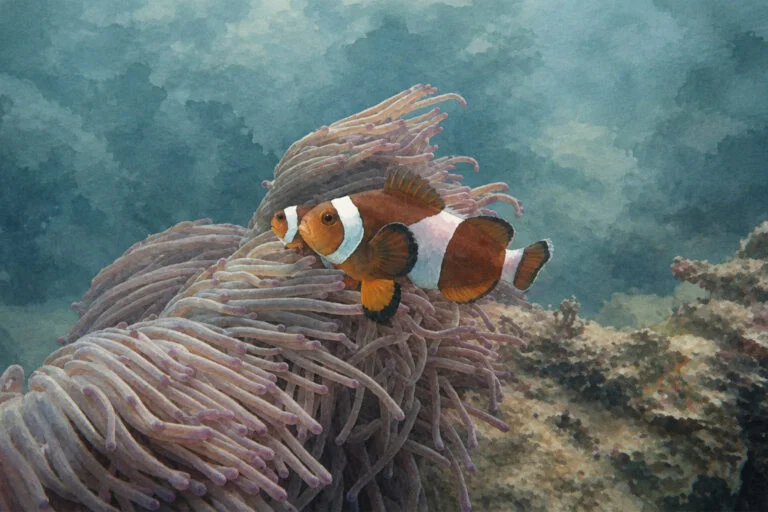
Two decades ago, Debby Ng, a scientist and board member of Mongabay, chronicled the life at Terumbu Bayan, a coral reef situated south of Singapore, facing imminent reclamation. During her dive, she encountered a pair of false clownfish fiercely guarding their nest. The mother, displaying exceptional aggression for her species, charged at Debby, who was vastly larger, managing to bite her multiple times. It became clear that this assertive conduct was to protect their brood, with tiny eyes visible through the delicate membranes of the eggs.
Devastation of Marine Ecosystems
However, their sanctuary was about to be destroyed. An alarm signaled the scientists to exit the water, and from the safety of the dive boat, they witnessed barges dumping rocks and debris directly into the reef's channel, stirring a cloud of sediment that swallowed the calm waters of their recent exploration. This moment encapsulated a larger issue: urban development encroaching into natural habitats, often with scant regard for the ecosystem's delicate balance. The destruction of Terumbu Bayan isn't just a localized issue; it's emblematic of similar scenarios playing out in coastal areas around the globe, where economic ambitions clash with environmental preservation.
While the team managed to rescue some hard corals and a tiger-tail seahorse, the reality was sobering. Countless smaller creatures, including shrimp and nudibranchs, could not be saved. The delicate topshells and cowries, with their eggs firmly attached to the reef, also remained behind. What's often overlooked in these discussions is the complexity of coral ecosystems. They're not just collections of hard structures; they're vibrant communities where various species depend on one another. The loss of a single organism can ripple through the entire habitat, leading to unforeseen consequences.
It's More Than Just a Project
Debby recounts that clownfish with a poignant sense of loss, having shared a fleeting but vivid interaction with them. Such anecdotes bring a human element into the scientific narrative, emphasizing the emotional weight behind these environmental crises. The story resurfaced recently, drawing attention again after The Woke Salaryman transformed it into a comic. By using humor and accessible media forms, awareness is raised, but it also begs the question: How effective are these methods in driving change concerning environmental policies?
Prime Minister Lawrence Wong's recent announcement regarding island developments echoes the ongoing threats faced by marine life, raising critical questions about conservation in urban planning. As the government looks to expand land for housing and industry, it's essential to examine whether these plans are adequately addressing the ecological costs. Are methods to protect marine ecosystems being prioritized, or is this still an afterthought overshadowed by political and economic agendas? The juxtaposition of development and conservation is a tightrope walk that many countries are grappling with.
Urban Development vs. Marine Conservation
The clash between urban development and marine conservation isn't a new phenomenon; it’s a recurring theme in cities with natural coastal resources. Countries are often caught in a bind: the pressure for economic growth and the need to provide housing for growing populations weighs heavily on policymakers. Discussions usually focus on immediate human needs, such as job creation and infrastructure, while marine life often takes a back seat. But the ongoing degradation of coral reefs underlines a profound misconception—that marine ecosystems are infinite and can withstand whatever we throw their way.
If you're working in this space, the reality is stark: coral reefs like Terumbu Bayan are not just beautiful underwater landscapes; they serve as crucial defenders against climate change, provide livelihoods for local fisheries, and attract tourism. The recent activities around Terumbu Bayan are a wake-up call—a highlight of the disconnect between policy decisions and ecological health. As visionary conservationists like Debby elevate these issues through storytelling, it’s a reminder that engagement isn’t just about data—it’s about connection, empathy, and vision for a shared future.
Future Outlook: A Complex Road Ahead
The future of coral reefs, and by extension marine biodiversity in urban settings, hangs precariously in the balance. Now more than ever, technology can help map and monitor these ecosystems. Tools like remote sensing and drones can provide real-time data to help guide sustainable practices. However, the gap between this potential and actual implementation often remains wide. Policymakers need to embrace evidence-based interventions that can satisfy economic demands without exacerbating environmental deterioration.
And yet, without public pressure, many industries will continue to prioritize short-term gains over longevity. With the transformation of Debby’s emotional narrative into a comic, a new medium opens pathways for engagement, yet it also raises an important question: How many more coral reefs need to be sacrificed before a shift happens?
The clock is ticking, and while hope for a sustainable coexistence exists, it requires a concerted effort by governments, communities, and individuals alike. The stakes are high: the lessons from Terumbu Bayan should compel us to rethink our approach to marine conservation and development strategies alike. Because, at the end of the day, our fates are intertwined—with every fish lost, a piece of our own future slips away.
Discussion
Sign in to join the discussion.