Recent genetic studies indicate that Arabian Sea humpbacks are a unique subspecies, showing significant isolation and low genetic diversity, raising extinction concerns.
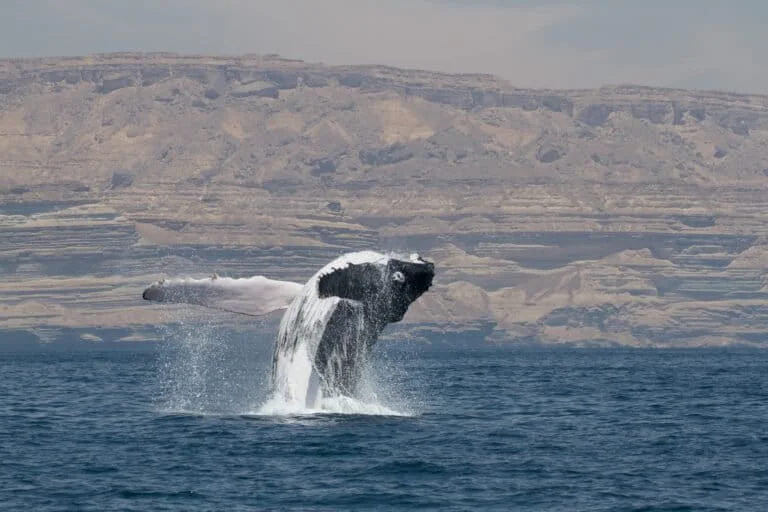
Unique Subspecies Identified
New genetic research suggests that humpback whales in the Arabian Sea may represent a distinct subspecies due to their long-term isolation, evolving separately for tens of thousands of years. Rita Amaral, a lead author from the Wildlife Conservation Society (WCS), highlighted that these whales have baffled scientists due to their unique ecological characteristics that differ significantly from other humpback populations. This finding isn’t just a minor tweak in whale taxonomy; it raises profound questions about the ecological implications of isolation and the evolutionary processes at play.
Migration Patterns and Genetic Distinction
Typically, humpback whales (Megaptera novaeangliae) migrate from equatorial breeding grounds to polar feeding regions. Current classifications recognize three primary subspecies: the North Atlantic, Southern Hemisphere, and North Pacific humpbacks. These groups are well-studied, with their migratory routes mapped extensively over decades. However, the Arabian Sea humpbacks break this mold entirely. Unlike their migratory cousins, they remain within tropical and subtropical waters year-round, exhibiting a sedentary lifestyle. This behavioral deviation is particularly interesting because it suggests different survival strategies adapted to unique ecological niches. What this means for you, if you're working in marine biology or conservation, is that conservation efforts must consider these whales' unique needs, as their habitat is drastically different from migratory populations.
Genetic Analysis Insights
Researchers analyzed mitochondrial DNA from a global sample of about 2,285 humpback whales, focusing on individuals from Oman’s Arabian Sea coast. This DNA analysis revealed substantial genetic differentiation between the local population and other known subspecies. Notably, the Arabian Sea humpbacks displayed the lowest levels of genetic diversity identified among any whale populations around the globe. Such low genetic diversity raises alarms: these whales may lack the genetic resilience needed to adapt to changing environmental conditions, potentially facing extinction under stress from climate change and human activities.
Historical Isolation and Vulnerability
The study estimates the divergence of the Arabian Sea humpbacks from other populations occurred between 43,000 and 113,000 years ago, emphasizing their prolonged isolation. This prolonged separation from other humpback populations has profound implications. Genetic isolation often leads to a narrow gene pool, and in the case of the Arabian Sea humpback, this can lead to heightened vulnerability to diseases, habitat loss, and adverse environmental shifts. The persistence of these whales in a changing ocean environment will largely depend on their ability to adapt, which is now under threat. This scenario is not unique to whales but echoes across various species facing similar evolutionary bottlenecks.
Implications for Conservation Efforts
The implications of identifying a distinct subspecies of humpback whale in the Arabian Sea extend beyond taxonomy. It signals a shift in how conservation organizations should approach marine life preservation. The recognition of these whales as a unique subspecies means that conservation strategies must be tailored specifically to their needs and habitat. With their low genetic diversity and sedentary lifestyle, can conservationists implement effective measures to protect them? Some might say yes, while others might cast doubt. The reality is that traditional conservation efforts may need adaptation strategies that consider their habitat in warmer waters, potentially innovative ways of mitigating threats from overfishing and maritime traffic. It’s also essential to foster public awareness and support for these unique creatures. The more people understand the plight of the Arabian Sea humpbacks, the more pressure there will be on lawmakers and industries to devise sustainable practices. Every action counts, and small changes can lead to significant impacts in the long run. (And this is the part most people overlook: conservation isn’t just about saving species but also about ensuring the health of entire ecosystems.)
Future Outlook
So, what lies ahead for the Arabian Sea humpback whales? The ongoing research will likely continue shedding light on their distinct characteristics and ecological necessities. If governments and conservationists can come together to institute protections that address these whales' unique needs, there remains hope for their survival. However, the road ahead won’t be easy. Environmental changes are accelerating, and with it, pressures on marine ecosystems and the wildlife that inhabit them are increasing. In an age where climate change is an undeniable threat, those in marine biology and conservation must prepare for unpredictable futures. The Arabian Sea humpbacks serve as a reminder of the fragility of ocean ecosystems and the intricacies of evolution. As we deepen our understanding of them, we'll also gain insights that apply to broader marine conservation initiatives. The identification of these unique genetic traits in humpback whales may not make headlines as readily as more sensational science news. Still, the significance is profound, influencing how we think about conservation in changing ecological circles. As we expand our knowledge, the necessity for collective action remains imperative. Keep an eye on ongoing studies; the findings may shape marine conservation policies for years to come.



Discussion
Sign in to join the discussion.