Vietnam's fishermen are grappling with soaring fuel costs and dwindling fish stocks, forcing many to abandon their livelihoods and seek alternative income.
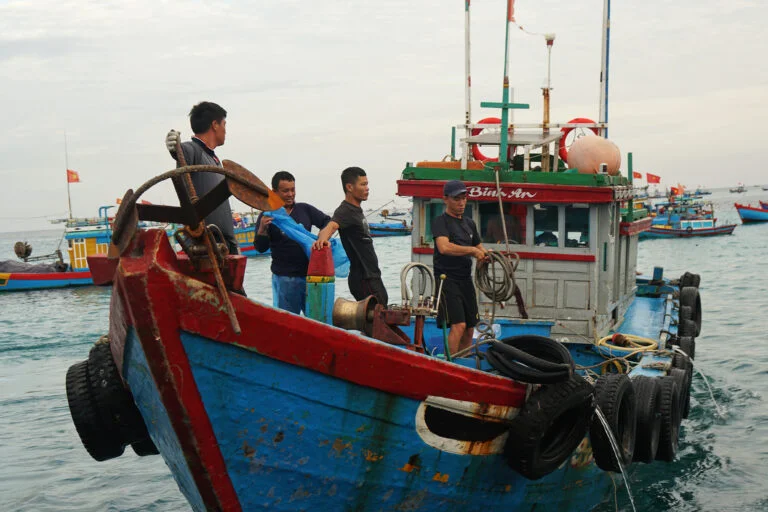
QUANG NGAI, Vietnam — In March, diesel prices surged to unprecedented levels, prompting Vo Huu Viet, a seasoned fisherman with over 30 years of experience in Quang Ngai province, to make an unusual decision: he stayed ashore. “The catch simply isn't enough to justify the effort of four men,” Viet remarked. With his aging wooden boat, inherited from his father, docked for long periods, Viet and his family have been forced to seek other employment, such as transporting heavy goods, to sustain themselves.
The Rising Cost of Fuel
The economic strain caused by rising diesel prices can't be overstated. Fishermen like Viet are finding that traditional fishing methods aren't sustainable when the cost of fuel eclipses the financial rewards of their labor. Diesel is a vital component of fishing operations; without a reasonable price, entire fleets are grounded. This phenomenon is not exclusive to Vietnam, either. Similar circumstances have been reported in coastal communities around the globe, suggesting that economic pressures can force fishermen into roles they never intended to occupy.
The fishing industry often operates on thin margins, and the spike in diesel prices has tipped many boats toward financial instability. When the profit from a single fishing trip shrinks—due to high fuel costs—fishermen face a difficult choice: commit to a long, arduous trip for little return or stay on shore, searching for alternative sources of income. Viet's experience is emblematic of a growing trend where fishermen are losing faith in their primary trade, transitioning instead to less familiar, and ultimately less rewarding, jobs.
The Larger Economic Impact
He isn’t alone in this struggle. Across Vietnam's fishing ports, thousands of boats remained idle for months, as the escalating cost of fuel rendered fishing trips economically unviable. According to the nonprofit vessel-tracking organization Global Fishing Watch, fishing activities plummeted by 18.9% from March 1 to April 21 this year compared to the previous year. The impact was even more pronounced for energy-intensive trawlers, which saw a staggering 31% decrease in activity.
This is more significant than it looks. The decline in fishing activity not only threatens the livelihoods of fishermen but also affects local economies that rely heavily on fish sales and related industries. Fishermen provide a vital food source, and changes in their operations can ripple through communities. Restaurants, markets, and processors may find themselves facing shortages, leading to increased food prices that hit consumers hard. If you're working in this space, you should keep an eye on how these shifts in supply and demand could change the market landscape.
Ecological Challenges and Regulatory Pressures
Fuel costs are just one of several mounting pressures facing the fishing community. Declining fish stocks, driven by years of illegal and unsustainable fishing practices, coupled with climate change, exacerbate the situation. The repercussions of overfishing are visible, and the depletion of fish populations compounds the financial crisis faced by fishermen. Overfishing has pushed many species to the brink, which comes with broader ecological consequences that can disrupt entire marine ecosystems.
Adding to the burden are international calls for stricter fishing regulations and the rising presence of Chinese vessels in contested waters, further complicating the fishermen's already fragile livelihoods. Regulatory changes often come with increased operational costs, which can be challenging for small-scale fishermen who already operate on the edge. This suffocating pressure stems from a mix of local governance, international treaties, and enforcement practices that require careful navigation. Here’s the thing: even as regulatory bodies attempt to combat illegal fishing, the push for sustainability may inadvertently disadvantage small fishermen like Viet, who simply want to make a living.
Adapting to a New Reality
As fishermen like Vo Huu Viet find themselves pulled away from the seas, they’re forced to adapt, often in ways they never anticipated. The transition appears daunting; many fishermen lack the skills or resources to thrive in alternative job sectors. Yet, it’s also a moment that may reveal the fishing community's resilience. The adaptation to different jobs may foster new skills or lead to a better understanding of the local economy's intricacies. But therein lies a bittersweet irony: faced with declining fish stocks and rising costs, some fishermen turn to occupations that might not truly sustain them long-term.
(and this is the part most people overlook) Many families that have been fishing for generations face the dual challenge of losing their cultural heritage and coping with modern economic reality. Their connection to the sea has deep roots, yet the relentless march of rising costs and dwindling catches could erase that bond altogether.
The Road Ahead: Implications and Outlook
The trends observed in Quang Ngai province serve as a microcosm for broader global issues facing the fishing industry. As fuel prices fluctuate and fish stocks dwindle due to a myriad of ecological factors, communities reliant on fishing are at risk of losing their traditional livelihoods. This situation may force them into a precarious economic state without solid alternatives.
What this means for you, whether you're an investor, policymaker, or community advocate, is that immediate attention is required. Sustainable practices and policy reforms need to be prioritized, balancing the demands of ecological preservation with the economic livelihoods of fishermen. There’s a critical need to support local fishing communities navigating these turbulent waters, ensuring they have both a voice in regulatory discussions and access to sustainable fishing practices that can secure their futures.
In short, the challenges are profound, intertwining economic, ecological, and cultural threads. The direction taken by local authorities and communities could shape not just the fate of fishermen in Vietnam, but serve as a blueprint for other regions facing similar crises globally.



Discussion
Sign in to join the discussion.