Local conservationist Wayan Wardika is spearheading efforts to revive Bali's declining firefly population through habitat protection and sustainable farming practices.
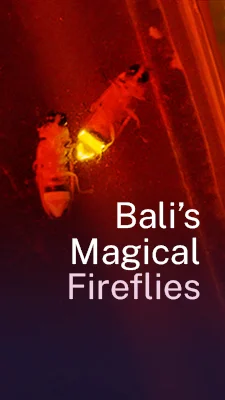
Conservation Efforts in Bali
Wayan Wardika is leading a dedicated initiative on the Indonesian island of Bali to reverse the loss of its iconic fireflies. These unique insects are disappearing due to several factors including habitat destruction, light pollution, pesticide application, and the impacts of climate change. Recognizing this urgent issue, Wardika launched the Bring Back the Light campaign in 2020, Indonesia's first conservation initiative focused specifically on fireflies.
The Importance of Fireflies
Fireflies are often perceived merely as enchanting creatures that light up summer nights. However, they play a significant role in local ecosystems. As indicators of environmental health, their presence suggests a balanced ecosystem, making their decline particularly alarming. With their capacity for bioluminescence, fireflies also contribute to biodiversity, serving as prey for various species. Their intricate mating rituals, which rely on light displays, highlight the fragility of their reproduction process. The rapid decrease in firefly populations can signal underlying environmental issues that need urgent attention.
Understanding the Threats
The decline of fireflies in Bali is not an isolated incident. It reflects a trend observed globally, where urbanization and industrial agriculture encroach upon natural habitats. Habitat destruction from land development fragments the ecosystems fireflies rely on. On top of this, light pollution disrupts their mating signals—an issue often overlooked. In agricultural regions, the application of pesticides poses another significant threat, not just to fireflies but to wider biodiversity. Climate change compounds these threats, altering seasonal patterns and habitats crucial for these insects. It's a cascade of challenges, each exacerbating the next.
Wardika's Innovative Campaign
With the Bring Back the Light campaign, Wardika aims to tackle these interrelated challenges head-on. His team's approach is not solely focused on breeding fireflies; it's about creating a conducive environment where these insects can thrive. Awareness and education play vital roles in his strategy. By engaging local communities, he helps them understand the ecological significance of fireflies and encourages sustainable practices. The initiative is designed to serve as a model for similar projects elsewhere, showcasing how localized efforts can address broader environmental concerns.
Breeding and Habitat Preservation
His small team is committed to breeding fireflies with the goal of reintroducing them into their natural environments. Equally important to their project is the emphasis on habitat protection. Wardika understands that sustainable growth in firefly populations hinges on preserving their habitats. To improve conditions, he’s actively promoting organic farming practices among local farmers, urging them to eliminate harmful chemicals that threaten these beautiful insects.
The Role of Local Communities
This initiative hinges greatly on community involvement. Farmers and residents are not just passive recipients of information; they are vital stakeholders in the conservation process. Wardika's outreach efforts bring them into discussions about sustainable practices and the economic benefits of protecting biodiversity. By framing conservation as a community-driven necessity, rather than an external imposition, there's potential for better outcomes. For example, educating locals about organic farming can have substantial upsides: healthier soil, safer crops, and the revival of firefly populations all contribute to a stronger local ecosystem.
Challenges and Setbacks
Every noble effort encounters obstacles. One significant hurdle for Wardika's initiative is the reluctance of some farmers to abandon traditional practices that rely heavily on chemical fertilizers and pesticides. These conventional methods, while short-term advantageous, often devastate long-term ecological health. There's also the challenge of raising funds and awareness on a larger scale. Competing interests, such as tourism and accelerated development, can easily overshadow conservation efforts. Maintaining the spotlight on these issues requires continuous engagement with both local and broader audiences. And yet, this is where the true test lies—will the campaign's message resonate beyond Bali?
Monitoring and Future Prospects
Monitoring the outcomes of the Bring Back the Light campaign is crucial. Wardika's team employs scientific methods to track both breeding success and the health of reintroduced populations. This data can influence future conservation strategies, not just for fireflies but for other endangered species. Transparency in tracking progress can also foster trust within the community, ensuring ongoing support for conservation measures. If you're working in this space, consider how public and private organizations could collaborate more effectively for a broader conservation mission. The need for agility in response to data could propel this initiative into new territories, influencing policy-making and environmental education.
For those interested, a full video detailing these conservation efforts is available. This article was initially published on Mongabay.
Implications and Future Outlook
The significance of Wardika's efforts extends beyond Bali. Conservation initiatives like Bring Back the Light can serve as blueprints for global biodiversity efforts, highlighting the importance of localized interventions. Other endangered species could benefit from similar approaches, where community engagement and education become focal points. As climate change accelerates, vibrant ecosystems may dwindle, making effective conservation not just preferable but necessary.
Fireflies might be small, but their survival reflects larger environmental dramas playing out on a global scale. If Wardika’s campaign succeeds, it may inspire similar initiatives worldwide, pulling together communities in shared efforts to restore what was lost. Importantly, it may also encourage a shift in perception towards conservation—an understanding that preserving natural wonders enriches lives and sustains ecosystems. The stakes are higher than they look.



Discussion
Sign in to join the discussion.