Japanese scientists have uncovered a new form of marine pollution, termed "plasticoral," raising alarms about chemical leaching and habitat degradation.
Discovery of Plasticoral
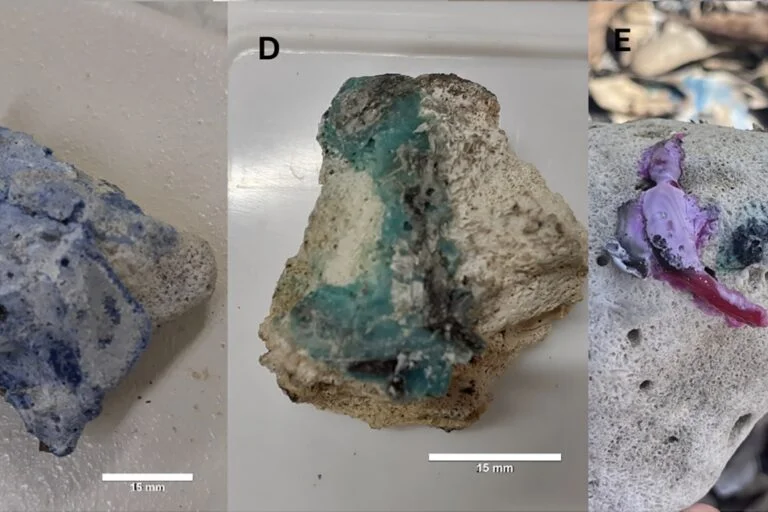
Researchers from the University of Ryukyus in Japan have identified a troubling new phenomenon: plastic fused to coral rubble, which they’ve labeled "plasticoral." During a standard marine litter survey on Okinawa Island in August 2024, they discovered this unusual combination at three different beaches, highlighting the pervasive issue of plastic pollution in marine environments. This finding doesn't just signal a new term in the environmental lexicon; it emphasizes the growing crisis of plastic waste affecting our oceans.
The research team undertook their survey without any intention of uncovering a new form of plastic pollution, but the discovery reflects a broader reality. Oceanic plastic pollution has been incrementally recognized as a significant environmental threat, yet the journey of how it infiltrates ecosystems continues to be unveiled. As marine ecosystems face increasing stress from climate change, the presence of materials like plasticoral adds another layer of complexity to conservation efforts. Simply put, ignoring the scope of marine plastic pollution could lead to dire consequences.
Characteristics of Plasticoral
The team didn't initially aim to discover plasticoral. However, the presence of plastic permanently adhered to coral rubble caught their attention. This finding is unique compared to previously documented plastiglomerates, which consist of melted plastic fused with natural elements like rocks and wood. According to Ifenna Ilechukwu, the lead author, "plasticorals represent something different," as the plastic has liquidized and conformed to the complex structure of coral. This distinction is critical in understanding the mechanics of plastic pollution in marine environments.
What’s particularly alarming about plasticoral is how it signifies a new interaction between synthetic materials and marine life. Traditional understandings of environmental degradation often isolate pollutants as distinct entities. In this instance, plastic isn't merely lying on the ocean floor; it's amalgamating with the coral itself. This suggests both a physical and chemical alteration of habitats that could affect the organisms living within them. If you're working in this space, this could prompt a re-evaluation of how we monitor underwater habitats.
Potential Environmental Impacts
Researchers suspect that the plastic found in coral rubble may have been burned into place, possibly from beach fires; further studies are necessary to confirm this hypothesis. The notion that human activities could be directly impacting coral habitats through such means shouldn’t be taken lightly. Preliminary analyses revealed that four samples were polyethylene, a common substance used in single-use bottles, while one sample was polypropylene, often found in food containers and bottle caps. These particular materials are notorious for their persistence in the environment, and that's troubling.
The implications of plasticoral extend beyond the physical presence of plastic. The potential leaching of harmful chemicals from these plastics into the surrounding reef ecosystem raises serious concerns. When toxins leach into the water, they don’t just threaten corals; they could have cascading effects on the entire food web. Whether the coral can adapt to this new form of pollution or suffer irreversible harm remains an essential question. (And this is the part most people overlook: corals form the foundation of marine biodiversity.)
Broader Context of Plastic Pollution
The discovery of plasticoral can’t be separated from the larger issue of global plastic pollution. Since the 1950s, plastic production has soared, with experts estimating that about 300 million tons of plastic waste are generated each year. The marine environment is a significant sink for this waste, with an estimated 8 million tons making its way into the oceans annually. These statistics illustrate a reality where marine wildlife is regularly exposed to synthetic materials, creating an urgent need for effective management strategies.
Existing efforts to combat plastic pollution have made headlines with initiatives like beach cleanups and legislative actions aimed at reducing single-use plastics. Yet, the emergence of new forms of pollution like plasticoral complicates these efforts, illustrating that it’s not just the amount of waste but also its form that poses hazards. This new understanding adds nuance to the conversation around marine conservation—recognizing that solutions need to be as multifaceted as the problems they aim to solve.
Future Outlook and Implications
The implications of plasticoral stretch well into environmental policy and conservation strategies. Understanding the details of how and why plastic adheres to coral could influence future research agendas, pushing scientists to investigate other interactions between plastics and marine habitats. This finding should elevate the urgency for policymakers to enact stronger regulations on plastic use and waste management, particularly in coastal regions.
Furthermore, if this finding leads to broader acknowledgment of similar phenomena, it may catalyze new research into the resilience of coral systems in the age of plastic. Conservationists might be compelled to reconsider traditional reef restoration techniques and develop approaches that acknowledge and mitigate these new challenges. The potential for broader ecological impacts can't be overstated. So, what does this mean for marine wildlife and habitats? It signals a pressing need for an integrative approach to ocean conservation.



Discussion
Sign in to join the discussion.