A review uncovers health risks tied to the chemicals that inhibit fires in fishmeal, essential for aquaculture.
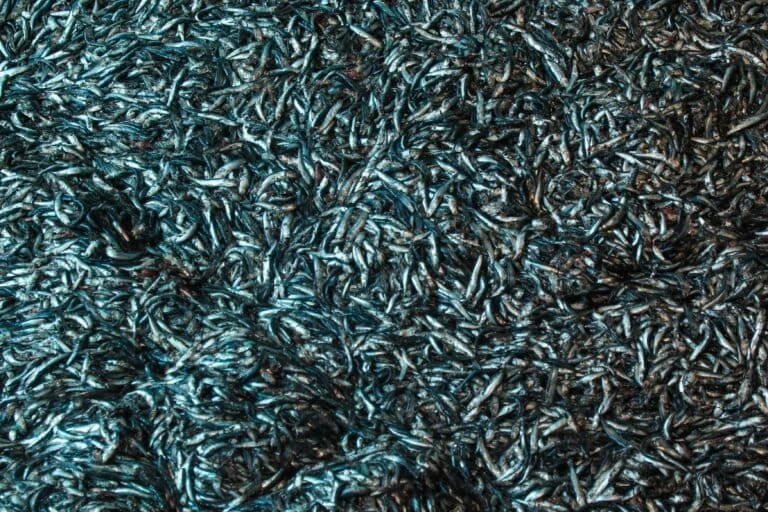
Fishmeal, a crucial ingredient for aquaculture, has a troubling history of igniting spontaneously. From the 1950s to the 1970s, over 90 significant fires linked to fishmeal erupted on ships and in processing facilities worldwide, fueled by its tendency to decay and oxidize, as reported by the Outlaw Ocean Project. Incidents included a South African ship fire in 1966 and a Danish ship blaze near Long Beach in 1967, demonstrating the powder's hazardous nature.
The History of Fishmeal and its Risks
Fishmeal is created by drying and grinding fish, often using species that are not typically suited for human consumption. This product plays an essential role in feeding farm-raised salmon, shrimp, and tilapia, with aquaculture now supplying more than half of the seafood consumed globally. Despite its significance, the material's history is marred by safety hazards that should not be overlooked. During its peak production periods, the fishmeal industry faced multiple fire incidents, which posed not only safety risks to workers but also operational concerns for companies involved in aquaculture. The fires could cause immense property damage and disrupt supply chains, impacting fish farmers reliant on this ingredient. These flames weren’t just a fluke; they stemmed from the chemical properties of fishmeal itself, which can generate heat as it oxidizes and breaks down. This issue was so severe that it prompted discussions about the need for stricter safety protocols in fishmeal production and transportation. What’s particularly alarming is the nature of fishmeal's flammability and decay. It isn’t just that the powder can ignite; it also decays when exposed to moisture or air, creating a self-reinforcing chain reaction. This degradation can lead to explosive situations, particularly in confined spaces like storage holds in ships. The historical fires linked to fishmeal serve as a grave reminder that safety measures in handling and storage must be prioritized, especially with the increasing demand for aquaculture as a vital food source.The Modern Role of Fishmeal in Aquaculture
Today, the importance of fishmeal in aquaculture cannot be overstated. It is a primary source of protein and essential nutrients for farmed fish species. The growth of the aquaculture sector, which has outpaced traditional fishing practices, means fishmeal's role has only intensified. With more than 50% of seafood now farmed, any disruption in the fishmeal supply chain can have broader implications for food security and price stability. Yet, the reliance on fishmeal raises significant ethical and environmental questions. Many fishmeal products are made from overfished species like anchovies or menhaden. This unsustainable harvesting poses a critical challenge to marine ecosystems and raises concerns about the long-term viability of aquaculture as a seafood source. With fishmeal's invasive characteristics and historical hazards, there's a pressing need for the industry to adopt more sustainable practices. Alternatives to fishmeal, such as plant-based proteins or insect meals, are beginning to emerge. As aquaculture continues evolving, these alternatives might provide a safer and more sustainable option.The Dichotomy of Fire Prevention and Health Risks
However, the very chemicals used to prevent fishmeal from igniting have raised new health concerns among scientists. Various fire-retardant additives are introduced in the processing of fishmeal to ensure safety during transport and storage. While these chemicals undoubtedly mitigate immediate risks of combustion, they come with their own set of adversities, particularly regarding long-term exposure for workers and consumers alike. Research around these chemicals is still developing, but some studies have linked them to serious health issues, including cancer. This leads to uncomfortable questions for the industry: Are the measures taken to protect us from fire hazards inadvertently putting our health at risk? This situation exemplifies a broader industry dilemma—balancing safety with health and environmental sustainability. The challenges posed by these chemicals warrant further examination, particularly as the fishmeal industry faces increasing scrutiny from health advocates and regulatory bodies.Regulatory Pressures and Industry Response
As awareness of the potential dangers continues to grow, the fishmeal industry may confront more scrutiny regarding ingredient safety and regulations designed to protect both workers and consumers. Governments and health organizations worldwide are increasingly focused on ensuring that all food production systems maintain high safety standards. Proactive companies in the aquaculture sector are already initiating dialogues about transparency in sourcing and production. Implementing rigorous safety protocols and seeking alternatives to harmful chemicals can serve to bolster public trust. This shift not only responds to regulatory pressures but also aligns with a broader consumer preference for safer, more sustainably sourced products. Keep in mind that transparency isn’t just beneficial for compliance; it can strengthen brand loyalty within a market that’s becoming more socially conscious. Customers today are willing to pay a premium for products that prioritize safety and sustainability. Companies that ignore this shift risk losing market share to more responsible competitors.Implications for the Future of Aquaculture
So, what does this mean for the future of the fishmeal industry? The tension between fire safety, health risks, and sustainability is greater than it appears. Stakeholders need to work collaboratively to find solutions that address all these concerns. If you're working in this space, it might be time to explore how innovative processing techniques, alternative ingredients, or improved regulations could redefine the industry. The path ahead might include more comprehensive research on alternative feed sources that match or exceed the nutritional value fishmeal offers, without the associated hazards. As consumers increasingly demand safer food systems, the pressure on aquaculture to adopt sustainable practices will only build. In short, the fishmeal saga is about more than just a staple ingredient—it represents a microcosm of the challenges facing modern food production. Balancing safety, health, and sustainability isn’t just a regulatory hurdle; it’s essential for the survival of aquaculture in a world where conscientious consumption is on the rise.Image by Phu Thinh Co via Mongabay

Discussion
Sign in to join the discussion.