A boundary wall marks the proposed Mantuli resort site on Pemba, but construction has reportedly stopped amid concerns over forest biodiversity and community livelihoods.
A wall, and a stalled proposal
A wall built in March 2026 now marks the apparent site of the proposed Mantuli luxury resort beside Pemba Island’s Ngezi-Vumawimbi Forest Reserve. Contractors haven’t carried out further work since completing it in the first half of the year, according to sources who spoke with Mongabay. That pause leaves the project’s status uncertain: the wall shows where the resort might take shape, but it doesn’t establish whether construction will resume or what the project’s final footprint would be.
That distinction matters because visible work can make a proposal look more settled than it is. A boundary wall may indicate preparation for development, yet it tells readers little by itself about the project’s schedule, design or next steps. Here, the reported halt is the clearest information about the construction after the wall went up. The gap between a visible site marker and an active building project is where uncertainty remains.
For nearby residents, however, uncertainty doesn’t make the proposal abstract. The site is beside a forest reserve and community land that people use for homes and crops. Any eventual decision about the project would therefore concern more than a resort’s buildings: it could affect how land around the reserve is used and how nearby communities relate to a forest they already depend on.
A forest used by surrounding villages
The proposed site lies in northwest Pemba, between a former rubber plantation and community land used for homes and crops including cassava and sweet potatoes. The reserve borders that community land and is surrounded by 10 villages with a combined population of more than 20,000, according to Tanzania’s 2022 census. Those details place the proposal within a lived-in area, rather than an isolated patch of forest with no daily connection to its neighbors.
Residents enter the forest to gather firewood and wild fruit, visit ancestral graves and carry out spiritual practices. These activities show that the forest has practical and cultural importance at the same time. Access to it can mean food or fuel, but it can also mean maintaining family and community ties to places that hold ancestral significance. The source doesn’t describe how a resort would affect those uses, so the consequences remain an open question.
Research indicates rural communities across Pemba earn about a third of their annual income from forest resources. Around Ngezi, bungo fruit (Saba comorensis) is an important source of income, harvested for sale from July through late September. That seasonal trade gives the forest an economic role that may be easy to miss when discussion focuses only on wildlife or construction. A change to access, harvesting or surrounding land use could matter to household livelihoods, though the available information doesn’t establish that any such change has occurred.
(And this is the part most people overlook.) A forest can be both habitat and working landscape for the people living nearby. For project planning, those uses make local access and community experience relevant to understanding what’s at stake. If you’re working in this space, the practical question isn’t only where a resort’s structures would stand; it’s also how the development would sit alongside the routines and income sources already tied to the area.
Conservation concerns
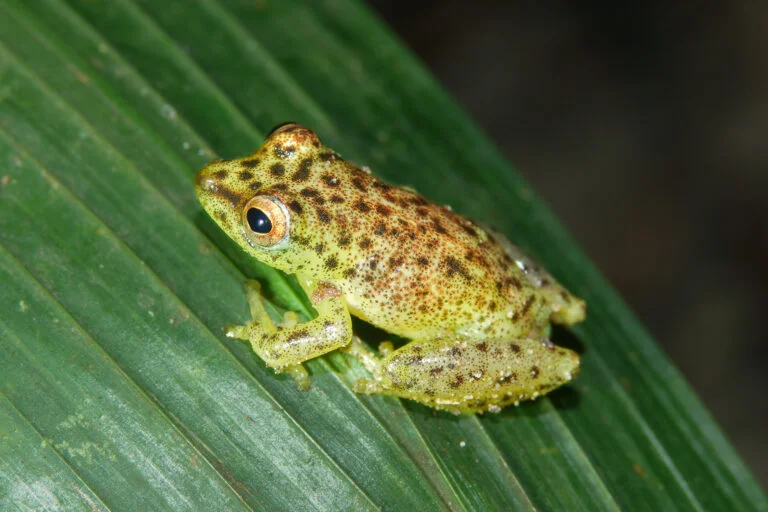
Ngezi’s moist forests support distinctive plant and animal species. In September 2025, conservationists and researchers published an open letter in the journal Science opposing the Mantuli project, warning that it could damage the 1,500-hectare (3,700-acre) reserve. The letter puts the concern on record, but the information here doesn’t specify which impacts the authors expect, how they assessed them or what construction would involve.
That limit matters when judging claims about a proposed development. The reserve’s size and ecological character help explain why conservationists object, but they don’t answer how much land the resort might occupy or what effects it would have if built. Those details aren’t provided in the available account. The case for concern is clear; the precise scale of any eventual impact remains uncertain.
Nor does a construction pause settle the conservation question. If work remains stalled, the proposal could remain unresolved for a time, leaving residents and conservationists without clarity about what comes next. If work resumes, the site’s relationship to the forest and nearby community land will become more immediate. For now, neither outcome is confirmed.
What the uncertainty means
The wall is the clearest sign of the resort’s proposed footprint, while reported construction remains stalled. That’s a narrow but useful distinction: there’s evidence of some site work, and there are reports that work hasn’t continued, but the project’s current status is not established. Treating the wall as proof that the resort will proceed would go beyond what the reporting supports.
This is more significant than it looks because the delay leaves several groups facing the same unanswered question from different angles. Nearby residents may want to know how the proposal could affect access, livelihoods and cultural practices. Conservationists are concerned about possible harm to a reserve with distinctive species. The reported pause doesn’t resolve either set of concerns; it suspends the story at the point where the next decision matters most.
The next steps will determine whether the project advances in a forest that supports both unique wildlife and the livelihoods and cultural practices of nearby residents. Until those steps are clear, the wall remains a marker of a proposal, not a measure of its likely effects. The pause leaves the outcome uncertain. And the forest continues to serve the people and wildlife already there.
The moist forests of Ngezi host unique species of animals and plants. Image courtesy of Emily Tanganelli.
This article was originally published on Mongabay

Discussion
Sign in to join the discussion.