EPA Revokes Greenhouse Gas Emission Limits on Power Plants, Shifting Energy Policy Direction
Published Sep 14, 2026Reads 1,883By Mongabay Editor
The EPA's repeal of greenhouse gas emission limits signals a shift in energy policy, aiming to cut costs for the industry and alter climate change strategies.
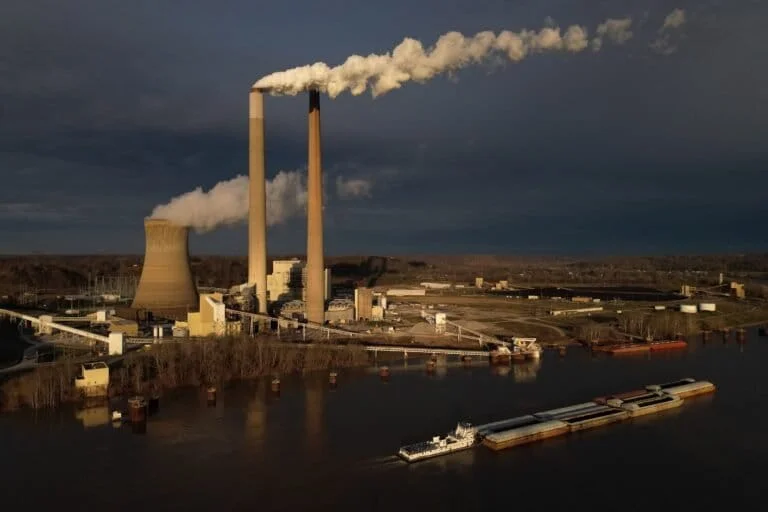
In a significant policy shift, the Environmental Protection Agency has decided to repeal regulations that curtail greenhouse gas emissions from coal and natural gas power plants. This move, announced after a proposal from the previous year, is expected to save the energy sector upwards of $300 billion in compliance costs. The EPA argues that deregulating these limits allows utilities the flexibility to optimize their operations without being compelled to shut down aging facilities.
Context of the Regulation Repeal
The decision by the EPA comes on the heels of an administration that has been historically protective of environmental regulations. Under previous leadership, particularly during the Biden and Obama administrations, stringent measures were enacted to combat climate change. Regulations targeting emissions aimed to pivot the U.S. energy landscape toward cleaner alternatives. This recent rollback reflects a stark contrast in priorities and illustrates a broader push for economic benefits at the potential expense of environmental standards.
The EPA’s reasoning hinges on the belief that allowing the energy sector to operate with fewer restrictions will enable companies to innovate and invest more effectively. They argue that the cost savings can be redirected into investment, potentially fostering growth in other energy areas. However, this optimistic outlook lacks a discussion on the long-term environmental consequences that are often overshadowed by immediate economic benefits.
Economic Implications
Repealing these regulations is projected to free up significant capital within the energy sector. The $300 billion figure suggests a substantial easing of the financial burden that compliance with federal regulations imposes on utility companies. It raises questions about how that money will be spent. Will it go toward more sustainable technologies? Or will companies simply continue to rely on cheaper, outdated infrastructure?
Utilities have long been grappling with aging coal-fired power plants, and the repeal may give them the leeway to maintain these facilities longer without the pressure of meeting stringent emission targets. This flexibility could appear attractive in an economy where immediate returns are favored. But at what cost?
This transition also occurs amidst fluctuating energy prices and an ongoing global conversation about climate responsibility. The long-term economic advantage may ultimately backfire if environmental degradation leads to costly repercussions such as natural disasters or severe public health impacts. It's a precarious balance, and it remains to be seen how this strategy will play out in reality.
The Shift in Political and Environmental Paradigms
Historically, shifts in environmental policy often reflect underlying political ideologies. The current decision can be seen as part of a broader trend that prioritizes economic interests over environmental factors. In essence, the EPA is saying that economic viability supersedes environmental health. This is reflective of a larger division in U.S. politics, where climate change can be almost a partisan issue.
The pushback from environmental groups and climate scientists will likely be intense. Activists argue that this decision undermines years of progress towards combating climate change and protecting public health. When considering the overwhelming scientific consensus on the detrimental impacts of greenhouse gas emissions, the reversal of these regulations feels like taking a step back—perhaps even a significant one.
And yet, some industry experts argue for a balanced approach—one that integrates economic growth with environmental safeguards. There's potential merit in allowing the power industry a degree of freedom to adapt, but one has to wonder how far that flexibility will extend before significant harm is done.
Technical Aspects of Emission Regulation
The technical side of emissions regulation is intricate and involves multiple factors. Emissions from coal and natural gas plants comprise a significant portion of overall greenhouse gases. The technologies developed in response to previous regulations, such as carbon capture and storage, prove effective but also costly.
Without regulatory pressure, the incentive to adopt these technologies diminishes. It becomes a matter of choice rather than obligation. Some sectors within the energy industry may still invest in cleaner sources, motivated by consumer demand or corporate responsibility, but the broader market sentiment might shift away from sustainable practices.
What this means for you, if you're working in this space, is that the conversation around clean energy sources could experience setbacks. The urgency for transformative solutions may fade as some stakeholders found a comfortable position in more traditional—and potentially harmful—energy practices.
Potential Consequences: Industry and Environment
The full implications of this policy change will unfold as it influences market dynamics and environmental standards in the coming years. While the energy sector revels in newfound economic freedom, the broader implications for climate change remain concerning.
As industries reassess their operational frameworks, the question of sustainability will linger. Will corporations continue to prioritize their bottom line at the expense of the planet? Or will market forces, driven by consumer concerns for climate and health, create a shift in focus back toward low-emission technologies?
The path ahead is uncertain, and many businesses might see this as an opportunity to resist change. However, the reality is that the world is moving towards a model where sustainability is not just an option but an imperative. This is more significant than it looks. Deregulation may lead to short-term gains but could have long-lasting detrimental effects if not managed with foresight.
Future Outlook
The coming months and years will be crucial as stakeholders assess the fallout from this policy shift. The substantial monetary benefits claim to empower the energy sector, yet they may also pave the route to environmental neglect. The trajectory of the U.S. energy sector is at a pivotal juncture, and how companies respond will set the tone for future environmental policies.
Expect fierce debate within both political and environmental circles as various groups vie for the future direction of U.S. energy policy. The ripple effects from this decision could be felt in everything from public health outcomes to international climate agreements. As entities grapple with volatility in public opinion around climate issues, the fallout from this decision may just be the tip of the iceberg.



Discussion
Sign in to join the discussion.