Conservationists highlight the alarming decline of migratory birds, urging international cooperation to counter habitat loss and other threats.
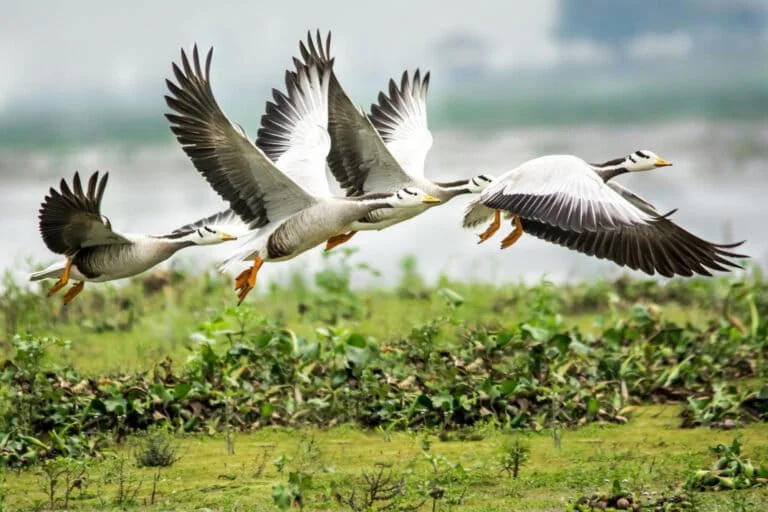
Concerning Trends in Migratory Bird Populations
Migration patterns among a significant number of bird species are under threat, signaling detrimental changes in global ecosystems. Birds don't just mark seasonal changes; they're indicators of broader environmental health. As climate shifts and habitat loss escalate, the intricate balance of ecosystems becomes increasingly fragile. Recent discussions among conservation experts have underscored the imperative for nations to unite efforts in preserving these vulnerable species, pointing to a reality many are reluctant to face: the fate of migratory birds might reflect the fate of our planet's biodiversity as a whole.
Global Flyways Summit Highlights
From September 8-11, leaders from various sectors gathered in Nairobi for the Global Flyways Summit, organized by BirdLife International and Nature Kenya. There, discussions ranged from grassroots efforts to large-scale policies aimed at safeguarding migratory birds. This summit offered a platform for addressing the escalating dangers faced by these species and the ecosystems essential for their survival. If you're working in this space, the takeaways from this summit could influence local and international conservation agendas for years to come.
Alarming Statistics
BirdLife International released its quadrennial “State of the World’s Birds” report, revealing that 45% of migratory bird species are in decline, with roughly one in nine at risk of extinction. These figures are striking and paint a grim picture of the environmental issues at play. Particular attention was drawn to shorebirds and seabirds, which are experiencing especially steep drops in their populations. The significance of this decline isn't just about avian life; it signals larger problems in our ecosystems, which could affect food chains and biodiversity. This is more significant than it looks.
Threats Facing Migratory Birds
The organization identified several critical pressures contributing to this decline, including habitat destruction, agricultural intensification, hunting, pollution, and climate change. Each threat compounds the others, creating a dire situation for many species. Notably, the great snipe (Gallinago media), whose range includes breeding grounds in Scandinavia and wintering sites across Africa, is rapidly declining due to habitat loss and hunting. The irony? Many of these species support the health of the ecosystems upon which human survival also depends. (And this is the part most people overlook.)
A Call for Coordinated Action
Stuart Butchart, BirdLife International’s chief scientist, emphasized that these challenges transcend national borders, necessitating collaborative international conservation strategies. When experts highlight the need for collective action, it's not just talk—it's based on urgent data. The alarming trends underscore a pivotal moment for global unity in wildlife preservation. If nations don’t come together, we risk losing more than just birds; we jeopardize the ecological fabric that sustains all life on Earth.
Implications and Future Outlook
As the situation stands, the path forward is fraught with challenges but also ripe with opportunity for change. Conservationists are calling for innovative solutions that must be as dynamic as the migratory patterns they aim to protect. The threats facing these species afford a critical moment for research and policy alignment. If action is taken now, the conservation strategies developed could set new standards for how nations approach biodiversity. Species at risk can serve as indicators of greater environmental health, meaning the fate of migrating birds could catalyze broader climate action.
The unfolding conversation around migratory birds reflects not just an isolated environmental issue but a broader narrative about climate stability, food security, and global cooperation. What this means for you, whether you’re a policymaker, a conservationist, or simply an engaged citizen, is significant: awareness can lead to advocacy, which can drive the necessary changes. The collective efforts might just help turn the tide on this alarming trend while nurturing the ecosystems that sustain us all.



Discussion
Sign in to join the discussion.