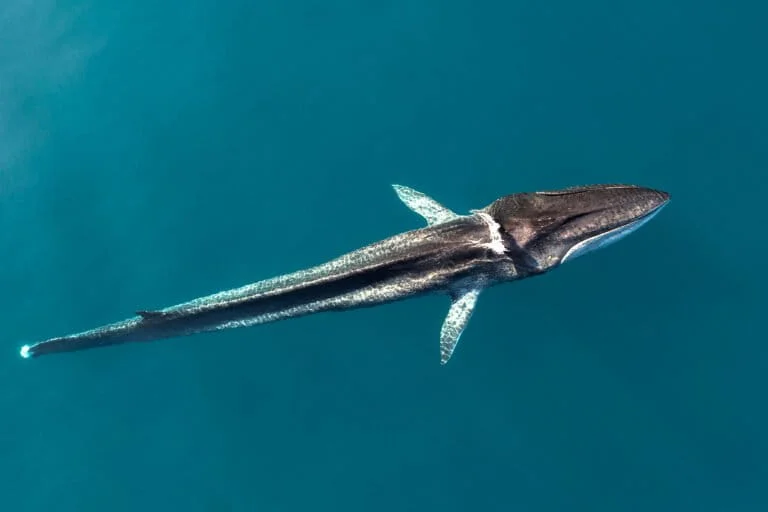
Ship collisions are a significant danger to sperm and fin whales in the Mediterranean, prompting discussions on potential mitigation strategies.
Ship Collisions on the Rise
Collisions with vessels pose a severe risk to the Mediterranean's endangered sperm and fin whales. A recent analysis by Magma Magazine and Mongabay revealed that in 2025, thousands of ships traversed critical whale habitats at speeds exceeding 15 knots (around 28 km/h). This speed threshold significantly increases the likelihood of fatal strikes. The waters of the Mediterranean Sea have become bustling highways for maritime traffic, often compromising the natural corridors that marine life relies on for survival. As commercial shipping continues to grow — driven by a demand for global trade and the timely delivery of goods — the risk to marine ecosystems becomes even more pronounced.
Visualizing the Threat
Mongabay utilized both vessel and whale telemetry data to create a visualization that underscores the constant danger maritime traffic presents to these majestic cetaceans. The data reveals how dense shipping lanes are intersecting with crucial habitats for whales, intensifying the species' vulnerability. By mapping the interactions between ship movements and whale sightings, it becomes clear that these busy routes are not just incidental but threateningly deliberate. The visualization illuminates the invisible battle between commerce and conservation — a battle that many might overlook if they only focus on maritime economic growth without considering the ecological costs.
Signs of Struggle
In 2023, marine biologist Lisa Stanzani encountered a stark reminder of this threat when she examined the carcass of a sperm whale on a beach in Ostia, Italy. She identified vessel strike injuries, particularly a significant wound on the animal’s head, which indicated a slow, agonizing death. “Death isn’t instantaneous in many collision cases,” Stanzani noted, emphasizing the animal’s suffering. This visceral image serves as a grim testament to the challenges faced by these large marine mammals. Whales are not just numbers on a conservation list; they're living beings with complex social structures and roles in their ecosystems. So when you think about the implications, consider not just the statistical decline in populations but the tangible, suffering individuals who simply can't withstand the relentless pressures of human activity.
Potential Solutions
Efforts to mitigate this issue are gaining traction, including proposals for speed limits for vessels, rerouting shipping traffic away from key habitats, and implementing systems to alert vessels of whale presence. These nascent solutions highlight the growing recognition of the need to protect these iconic species from human-induced threats. Still, it's evident that the road ahead won't be simple. Stakeholders from shipping companies to environmental organizations will need to work together, often in conflict over economic interests versus ecological preservation. Many solutions hinge not just on technology but also on a cultural shift in how we value our oceans and their inhabitants. The current proposals are a start, but will they be enough? Will they be adopted widely, or are they merely symbolic efforts?
Implications for Conservation and Beyond
This uptick in ship collisions reveals broader implications for marine conservation. If you’re working in this space, consider how the integration of maritime traffic management systems could also serve as a model for other regions facing similar challenges. With international shipping expected to increase, especially as global trade expands, urgent measures must be implemented to balance economic progress with ecological integrity. And yet, while the solutions proposed show promise, they come with inherent challenges: enforcement, compliance, and the willingness of industries to adapt.
The rising number of ship collisions with whales isn't just an isolated issue in the Mediterranean. Similar situations are seen in busy shipping corridors worldwide, where marine biodiversity is increasingly threatened by industrial activity. This could become a rallying point for broader conservation efforts, but such progress will require not only funding and research but also a more engaged public. After all, awareness fuels action — and this is the part most people overlook.
Although the plight of the sperm and fin whales is immediate, the lessons drawn from their struggles might lead to more robust conservation protocols elsewhere. Future research could more clearly delineate the specifics of ship-whale interactions and enhance predictive models for both shipping lanes and marine wildlife movement. Ultimately, how effectively we tackle this challenge might dictate the survival of not only these species but also the health of our oceans as a whole.
For more details, you can find the original article published on Mongabay.


Discussion
Sign in to join the discussion.