Despite extreme pollution, endangered Ganges dolphins are surviving in Dhaka's Buriganga River, with studies revealing their unexpected resilience.
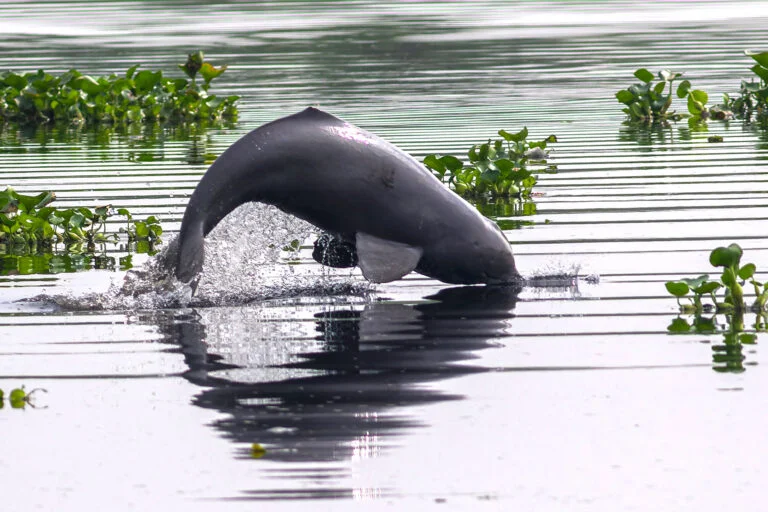
The Buriganga River, a 29-kilometre stretch flowing past Dhaka, ranks among the most polluted rivers globally, battered by toxic discharges from numerous factories and untreated sewage. The waterway is often deemed lifeless, with local fish species nearly eradicated by the pollution. Yet, intriguingly, endangered Ganges river dolphins (Platanista gangetica) persist in these challenging conditions.
Understanding the Buriganga River's Pollution Crisis
The Buriganga River has faced decades of neglect and mismanagement. As Dhaka, Bangladesh's capital, continues to grow at a blistering pace, industrial discharge and urban runoff have transformed the river into a toxic soup. Untreated sewage, illicit waste dumping, and a lack of infrastructure exacerbate the river's plight, leading to its ranking among the world's most polluted water bodies. The consequences are dire; biodiversity plummets, local fishing communities crumble, and residents suffer health complications from contaminated water sources.
For those working in environmental science or public policy, the situation presents a dilemma. Efforts to restore the river face substantial challenges, including political will, funding, and a lack of public awareness. It's hard to envision the Buriganga returning to anything resembling its former state when so many human activities undermine it daily. This isn't just an environmental concern; it's emblematic of broader issues facing many urban waterways across developing countries.
The Unlikely Survivors: Ganges River Dolphins
Amid the chaos thrumming through the Buriganga, the presence of endangered Ganges river dolphins stands as a poignant reminder of nature's tenacity. These dolphins have evolved to thrive in freshwater ecosystems, yet their survival in such inhospitable conditions raises significant questions about their adaptability. A recent study published in the Journal of Asia-Pacific Biodiversity tracked approximately 20 dolphins over a 12-month period, from September 2023 through August 2024, focusing on a 27-km stretch of this heavily contaminated river. Researchers, led by Md. Aminur Rahman, were taken aback by the dolphins' presence in such an unwelcoming habitat, saying, "The Buriganga is not a usual place for dolphins, where native fishes have largely vanished." This observation is more significant than it looks; it suggests these dolphins have developed a remarkable degree of resilience.
But the river's ecosystem has become unnaturally hostile. Invasive species like the suckermouth catfish (Hypostomus Plecostomus), more commonly known as sakar fish, have populated the waters, creating additional challenges for native fish and marine life, including the dolphins. Sakar fish thrive on algae and organic matter, often outcompeting indigenous fish for food and habitats. If you're working in this space, these interactions could have profound implications on the river's biodiversity and conservation efforts.
The Research Findings and Their Implications
During the monitoring period, dolphins were sighted in all but two months. The highest numbers were observed in December and through the winter, which aligns with patterns often seen in wildlife behavior—animals may seek more hospitable environments as temperatures drop. Notably, the dolphins were absent in October 2023 and during late July to August 2024. On average, the groups consisted of 4.18 dolphins, possibly indicating a slow increase compared to earlier observations. And yet, the fluctuations in sighting patterns raise critical questions about the dolphins’ breeding habits and overall survival strategy. When numbers fluctuate significantly, it suggests a struggle to maintain stable populations in such a toxic environment, which could be indicative of broader ecological instability.
The resilience shown by these dolphins invites further examination. How do they manage to endure in an environment that is lethal to most forms of aquatic life? The survival of a small population raises fascinating questions about ecological adaptation. It also sparks complex discussions about conservation priorities: should efforts focus on improving the river’s water quality for the sake of the dolphins, or should attention be given to the overarching health of the entire ecosystem, which includes local communities and their livelihoods?
Future Outlook: Is There Hope for the Buriganga?
The unexpected survival of dolphins in such heavily polluted waters underscores their resilience and challenges conservationists to reconsider their strategies. This isn't just an academic interest; meaningful action is needed to restore degraded habitats while balancing the needs and rights of communities living alongside the river.
Moving forward, conservation strategies must incorporate local involvement and education to ensure sustainable practices. Investments in wastewater treatment, community awareness campaigns, and strict regulations on industrial discharges can all shape the future of the Buriganga. However, these efforts will take time and require a commitment from both government and citizens. The situation is precarious, and it’s clear that without tangible action, the dolphins and other remaining wildlife will struggle to persist.
To wrap it up, the Buriganga's unique challenges—infested with invasive species, surrounded by dense urbanization, and burdened by pollution—paint a stark picture. However, the resilience displayed by the Ganges river dolphins offers a glimmer of hope amidst despair. Their survival suggests that even in the most compromised conditions, life finds a way, though the question remains: how much longer can they last?


Discussion
Sign in to join the discussion.