The IATTC has implemented a long-term strategy for Pacific bluefin tuna, marking a significant step in its recovery, though other species remain unaddressed.
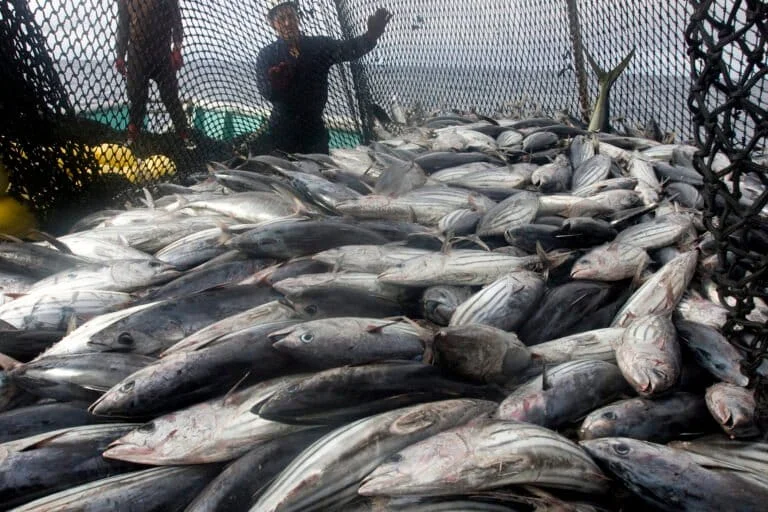
Significant Agreement for Pacific Bluefin Tuna
The recent meeting of the Inter-American Tropical Tuna Commission (IATTC) wrapped up on September 4, resulting in a strategic plan aimed at the sustainable management of Pacific bluefin tuna. This long-awaited agreement reflects a significant advancement in efforts to restore a species that has faced severe overfishing challenges over the years. Pacific bluefin tuna, known scientifically as Thunnus orientalis, has reached critically low population levels due to extensive fishing pressure in both commercial and recreational exchanges. The need for a structured recovery plan was underscored by alarm bells raised by conservationists and researchers alike, pushing for a collective response from the countries involved in their management.
Current State of Tuna Management
Despite this progress regarding Pacific bluefin tuna, the commission did not finalize a harvest strategy for other commercially important species such as bigeye, skipjack, and yellowfin tuna, which also fall under its jurisdiction. This omission raises questions about the comprehensive nature of the IATTC's approach. “A proposal was adopted … and that’s really great progress,” commented Dave Gershman, a senior officer for international fisheries at The Pew Charitable Trusts, who observed the session, as reported by Mongabay. Although the successful adoption of new measures for Pacific bluefin is noteworthy, the absence of strategies for equally vital species could undermine broader ecosystem management. The market for these tunas is vast, influenced by global demand and culinary trends; thus, neglecting to address their sustainability could spell further trouble for these stocks.
The Road to Recovery
The plan for Pacific bluefin tuna comes after a decade of research and negotiation, establishing science-driven guidelines designed to ensure the stock's recovery and long-term sustainability. It also prioritizes minimizing ecological impacts in the Eastern Pacific region. Multiple stakeholders, including scientists, fishermen, and environmental groups, have contributed to discussions that shaped this strategic plan—each bringing different perspectives on what sustainability should look like. “You want to have these things in place when times are good so it’s there when you need it,” Gershman added. But here's the thing: it's not just about having plans on paper; effective enforcement will be critical to translate these guidelines into tangible recovery. Without proper oversight, these agreements risk being mere words that don't lead to real-world results.
IATTC's Role in Fisheries Management
During its 104th session in Lisbon from August 31 to September 4, the IATTC, one of the five primary international organizations focused on the management of tuna and similar species, reiterated its responsibility to oversee various stocks and ecosystems across the Eastern Pacific, extending from Canada to Chile. The agreement regarding Pacific bluefin is a step, but it also shines a light on the continuing challenges that lie ahead for effective fishery management. With many regional fishery management organizations (RFMOs) operating globally, the IATTC's updated strategy could set a precedent for future agreements aimed at other tuna species. However, this isn’t a guarantee of success; it demands ongoing collaboration and communication among member nations, many of which have differing economic interests tied to tuna fishing.
Implications and Future Outlook
The implications of this agreement extend beyond sustainable fishing practices. If you're working in this space, you should pay attention to how it may shape future policies both regionally and globally. The successful implementation of the Pacific bluefin recovery strategy could serve as a model for other species conservation efforts. On the flip side, the lack of immediate action on the other key tuna species might suggest a trend of piecemeal solutions rather than comprehensive policy-making. The growing tension between commercial interests and ecological sustainability is likely to escalate, especially if fish stocks continue to dwindle. The world's appetite for sushi isn't likely to decrease, which places pressure on decision-makers to find a balance between economic viability and resource conservation.
In closing, the recent developments regarding the Pacific bluefin tuna agreement mark a crucial moment for fisheries management. While the strides made are commendable, the situation is still fluid, and the long-term impact remains to be seen. Handled correctly, this plan could reverse the alarming trends of overfishing; however, stakeholders must engage both earnest enforcement and international cooperation to ensure these positive changes materialize and are sustained over the long haul.
This article was originally published on Mongabay.


Discussion
Sign in to join the discussion.