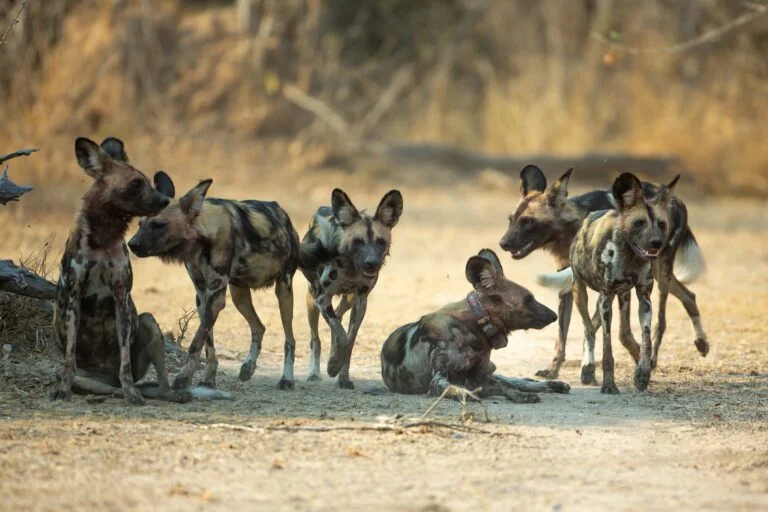
Three male wild dogs in Zambia traveled over 4,000 kilometers, highlighting their vital role in connecting ecosystems across Southern Africa.
Record-Breaking Journey of African Wild Dogs
In a remarkable display of endurance, three male African wild dogs from Zambia covered more than 4,000 kilometers (around 2,500 miles) while searching for new territory and mates. This journey, documented in a recent study, is the longest recorded movement by any African mammal and showcases the species' pivotal role in linking disparate populations and ecosystems across Southern Africa. The ability of wild dogs to travel such vast distances highlights not just their tenacity, but also the importance of understanding their migration patterns. As environments change and habitats become fragmented due to human activity, wild dogs serve as indicators of ecological health and connectivity.
Details of the Journey
The wild dogs, known as the Mayukuyuku males, originated from Kafue National Park, renowned for its diverse wildlife and rich ecosystems. Departing their birth pack in mid-2025, they embarked on an incredible journey that led them eastward and then north toward Zambia’s industrial hubs, Kitwe and Ndola. These areas, characterized by increased urbanization and infrastructure development, pose challenges to wildlife corridors that are essential for large-ranging species. After navigating through these industrial landscapes, the dogs looped back south towards the Luangwa River Valley, home to a thriving population of about 400 wild dogs. By April 2026, they had reached a game management area situated between South Luangwa and Lower Zambezi national parks, marking a total travel distance of 4,126 km (2,564 mi).
This journey isn’t just about distance; it's also a testament to the adaptability of these animals. They had to contend with various landscapes, human encroachments, and natural obstacles along the way. Tracking their movements helps researchers piece together critical insights into their behavior and ecology. What’s intriguing is how the environment shapes their journey—but just how sustainable is their future in a rapidly changing landscape?
Implications of This Movement
Matthew Becker, co-author of the study and chief executive of the Zambian Carnivore Programme, explained that while the trio appears to have established a new territorial range, the specifics regarding their current pack dynamics remain unclear. Understanding these dynamics is essential; after all, wild dogs are social animals that rely heavily on pack cohesion to hunt and raise pups. This extensive tracking, which employed GPS collars fitted to individual wild dogs, highlights both the challenges these animals face and the importance of their dispersal for genetic diversity and ecosystem health.
For many species, like the African wild dog, dispersal can lead to genetic exchange between isolated groups, potentially strengthening their populations against diseases and environmental changes. The unfortunate reality is that not all journeys have happy endings. One female wild dog from a different pack, identified as EWD-1355, faced dire circumstances during her travels, which underscores the harsh realities of survival in the wild. (And this is the part most people overlook: the grim fate that can befall those who stray too far or venture into unsuitable territories.)
This investigation establishes important parameters for wild dog movements but also sends a strong message about the conservation efforts necessary to safeguard their habitats and interconnected ecosystems. What this means for you, if you're working in this space, is a need to appreciate the delicate balance between species preservation and human development. More than just data, it's about crafting policies that protect the very essence of ecosystems these animals inhabit.
Future Outlook and Conservation Significance
The journey of the Mayukuyuku males stands as a hopeful reminder of the resilience of wildlife in the face of adversity. However, it also raises pressing questions regarding the ongoing challenges these animals will likely encounter as environmental pressures mount. As habitats become increasingly fragmented by agricultural and urban expansion, the migration routes once taken by such species are in jeopardy. The long-range movements of the wild dogs indicate their need for expansive, protected landscapes to thrive.
As researchers continue to monitor these movements, the findings will likely inform future conservation strategies. For instance, specific corridors may need to be established or reinforced to ensure that these animals can safely navigate through human-dominated areas. Innovative land-use planning might be required to balance human interests with wildlife conservation—an effort that will demand cooperation from multiple stakeholders, including local communities, government bodies, and conservation organizations.
In a time where conservation initiatives are often threatened by budget cuts and policy changes, studies like this can serve as rallying points for advocacy. They provide concrete evidence of the ecological significance of species like the African wild dog, creating a narrative that can resonate with the public and stakeholders alike. The challenge ahead is substantial; the path they pave could very well dictate the future of this iconic species in the African wilderness.



Discussion
Sign in to join the discussion.