Researchers in Colombia are uncovering nearly 120 dragonfly species while collaborating with Indigenous communities to enrich their biological lexicon.
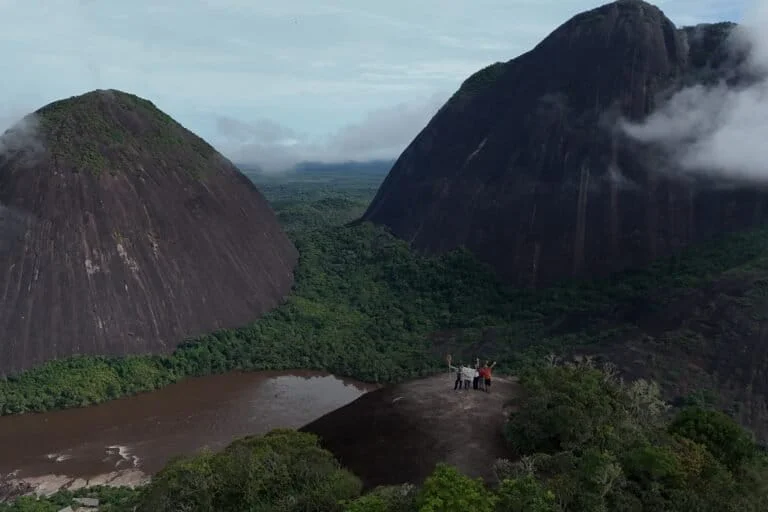
New Discoveries in Guainía
In the remote Guainía region of eastern Colombia, researchers initially identified a mere ten species of dragonflies. What began as a minimal understanding of the biodiversity in this isolated area has transformed dramatically. Through collaborative efforts with Indigenous communities, they've now cataloged nearly 120 distinct species. This is more significant than it looks. Each newfound species enriches our understanding of local ecosystems and the intricate web of life they support. According to Yiselle Cano, biodiversity leader of the Dragones Guainía project, "When we started, very little was known." That humbling admission underscores how much potential there is still left to uncover in regions that are often overlooked by mainstream science. Guainía is swiftly emerging as a notable hub for dragonflies and damselflies, drawing attention not just for its wealth of biodiversity but also for its role as an area of ecological significance.
The Importance of Biodiversity
The region's dragonfly species contribute vital insights into the health of its freshwater ecosystems. Insects like dragonflies serve as key indicators of ecological balance. Their populations can signal changes in environmental conditions, especially in freshwater habitats. Unfortunately, these vital ecosystems face mounting threats from various human activities. Mining, deforestation, mismanaged waste, and burgeoning tourism are just the tip of the iceberg. If you're working in this space, understanding these dynamics could be crucial for both conservation and sustainable development. The presence of diverse dragonfly species often correlates with cleaner, healthier water systems—a fact that underscores the urgent need for effective conservation strategies. With greater awareness of these local species, researchers aim to foster conservation efforts that protect these sensitive environments and ensure their survival amidst rapid change.
Bridging Language Gaps
Cataloging dragonflies was just the starting point. Researchers organized workshops to share their findings with community members. Yet, they quickly realized that biological terminology often fell short in a multilingual context. Many local participants, including children and elders, spoke dialects that didn't align with scientific classifications. This disconnect created both a challenge and an opportunity. The researchers were compelled to engage in a rich exchange of knowledge that transcended the confines of traditional scientific discourse. As they showcased dragonflies around local waterways, community members enthusiastically participated in identifying these insects using their native languages. This process didn't merely uplift local dialects; it also enriched scientific understanding by incorporating Indigenous knowledge systems into biodiversity research. (And this is the part most people overlook.) Engagement like this fosters a sense of ownership over local biodiversity, as community members recognize their role in protecting the environment.
Implications and Future Outlook
The discoveries in Guainía represent far more than a mere academic achievement; they hold critical implications for both conservation efforts and Indigenous empowerment. As awareness of local species grows, so does the potential for communities to advocate for the protection of their environments. There's an urgent need for policies that will safeguard these freshwater habitats, and local voices must be front and center in that conversation. Established collaborations between scientists and Indigenous communities could serve as a model for similar projects elsewhere, where biodiversity is under threat but local knowledge remains untapped.
Moreover, this partnership also highlights the significance of integrating Indigenous perspectives into scientific research. Researchers may avoid the pitfalls of local knowledge by ensuring that their work is culturally relevant, thereby enhancing its applicability. The relationship cultivated in Guainía could lead to ongoing cooperative projects that allow researchers to study these ecosystems while also investing in local communities. This intertwined future could yield unprecedented insights into biodiversity while simultaneously advocating for Indigenous rights. That said, challenges remain. The impact of environmental degradation is looming, and without sustained effort, even these significant gains could be at risk.
For those interested in learning more about this fascinating collaboration, its implications, and the transformation it brings not only to biodiversity studies but also to community engagement, further details can be found at Mongabay.
Discussion
Sign in to join the discussion.