The African dwarf crocodile faces severe threats from bushmeat trade and habitat loss, signaling urgent conservation needs for this vulnerable species.
The African Dwarf Crocodile's Status
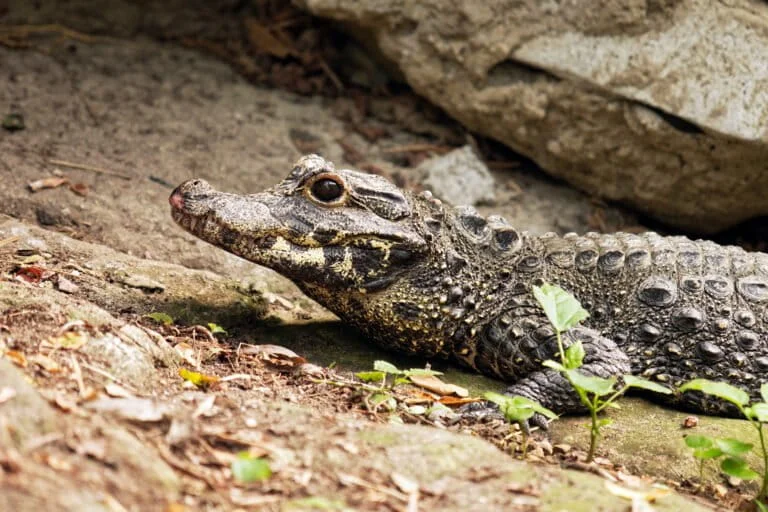
The African dwarf crocodile, a small but intriguing reptile, holds the title as the smallest crocodile species, rarely exceeding about 2 meters (6.6 feet) in length. This species is predominantly found in the dense swamps and flooded forests of West and Central Africa. Its habitat is characterized by a complex ecosystem rich in biodiversity, which not only supports the dwarf crocodile but also other animal species, making these areas essential for conservation efforts. Typically, this crocodile preys on crabs and small fish, relying on its stealth and agility to hunt in murky waters. Interestingly, conservationists categorized it as vulnerable on the IUCN’s Red List, but here’s the catch: its conservation status hasn’t been reviewed in over three decades. This lack of reassessment raises questions about the effectiveness of current conservation strategies and the data being used to inform these decisions.
Threats to the Species
There’s mounting concern among ecologists about the sharp decline in African dwarf crocodile populations across their habitat range. Factors such as habitat destruction, primarily due to agricultural expansion and urban development, play a significant role in their endangerment. Wetland areas are being drained for cropland or urban sprawl, while logging activities devastate their natural environment. Over-harvesting for bushmeat also exacerbates their dwindling numbers, which not only impacts the species directly but disrupts the ecological balance within their habitat. Over-exploitation of small wildlife, including these crocodiles, is increasingly common in regions where economic pressures drive poaching.
This species’ unique characteristics—its modest size and reduced metabolic rate—make it especially appealing for commercial trade. Ecologist Mitchell Eaton highlighted that these traits facilitate the safe capture and transport of live specimens without refrigeration, increasing their desirability among hunters. The adaptability of the African dwarf crocodile to live in confined spaces, often close to human populations, makes it a target for poachers aiming to satisfy local markets. It’s alarming to consider how a creature that plays a critical role in its ecosystem has become a sought-after commodity.
Market Survey Insights
A study featured in BMC Zoology drew attention to the sales of African dwarf crocodiles in three bushmeat markets within the Niger Delta. Conservation biologist Israel Ogorode and colleagues undertook this research to address the issue head-on, analyzing not only the sales volume but also the profiles of those involved in the trade. Their findings revealed a complex network of hunters, traders, and consumers, all contributing to the pressures faced by the species. Curiously, the study highlights the significance of local dietary practices and cultural beliefs surrounding bushmeat consumption. In areas where these practices are prevalent, it’s vital to educate communities about the implications of such trade on local biodiversity.
This research is pivotal as it sheds light on the urgent need for conservation efforts. By providing concrete data on the volume of trade, Ogorode and his team hope to facilitate more effective conservation strategies. But the challenge remains: how to balance the immediate economic needs of local communities with the long-term need to preserve biodiversity. Conservationists must grapple with questions about sustainability—how can local populations survive economically while also protecting the very ecosystems they depend upon? And this is the part most people overlook: while conservation strategies often focus on the species themselves, they must also engage with the communities that impact those species.
Implications for Conservation Efforts
The implications of these findings extend beyond the African dwarf crocodile. They call for a reevaluation of not just conservation policies but also the socio-economic frameworks in which these species exist. If you're working in this space, it's crucial to understand that successful conservation efforts will likely require collaboration with local communities, integrating their knowledge and practices into broader strategies. Addressing the demand for bushmeat will need a multifaceted approach that includes community engagement, alternative livelihood programs, and awareness campaigns highlighting the ecological importance of retaining such species.
Moreover, the stable population of a species like the African dwarf crocodile doesn't just signify the health of one animal but reflects an entire ecosystem's well-being. As habitat destruction continues unabated, the role of education in promoting shifts in consumer behavior can't be underestimated. People need to be informed about the ecological impact of their dietary choices and the importance of biodiversity.
If we’re to halt the decline of the African dwarf crocodile, addressing these interconnected issues with urgency is essential. The future of this species—and others like it—hinges on a collective effort that balances economic needs with conservation priorities. Failure to act now could see this unique species, a diminutive giant of its ecosystem, slip further toward extinction.



Discussion
Sign in to join the discussion.