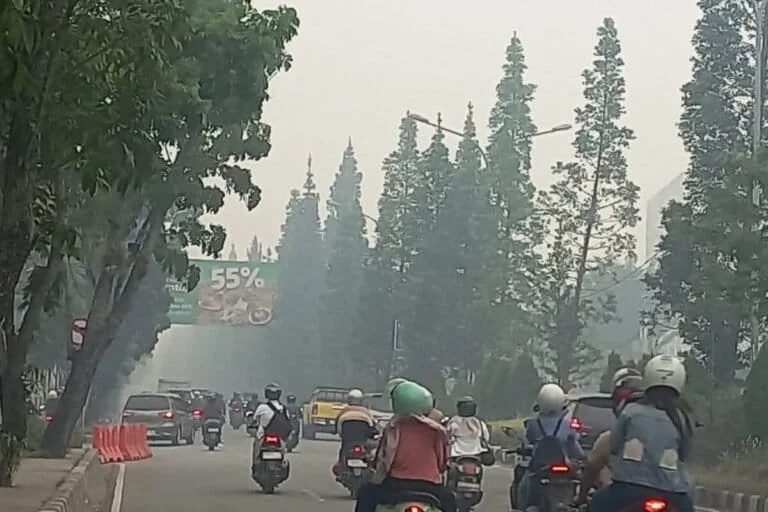
Kuching, Malaysia faces alarming air quality as smog from Indonesian wildfires turns the city into one of the world's most polluted.
Air Quality Crisis in Kuching
KUALA LUMPUR — Video editor Mohamad Haazim frequently checks Malaysia’s Air Pollutant Index (API) as air quality in his city has plummeted. Once regarded for its relatively clean air, Kuching in Sarawak is now labeled the "most polluted major city" globally by IQAir, primarily due to wildfire smoke from Indonesia. “My daily routine is profoundly disrupted,” Haazim remarked. With air quality oscillating between “unhealthy” and “hazardous,” outdoor activities have become perilous. He had previously enjoyed running outdoors five times weekly but is now confined to just two indoor sessions. “Morning and evening walks are out of the question,” he lamented.
The Impacts of Poor Air Quality
This decline in air quality is more significant than it looks. The rising levels of pollution have far-reaching consequences that extend beyond individual discomfort. Studies have indicated that air pollution can lead to numerous health problems, including respiratory illness, cardiovascular issues, and even long-term cognitive decline. For people like Haazim, the inability to engage in outdoor activities not only affects physical health but can also have detrimental effects on mental well-being. The social isolation that comes from avoiding outdoor spaces can exacerbate feelings of unhappiness and discontent.
As a direct result, residents have begun to reconfigure their daily routines. At work and home, Haazim has resorted to keeping windows tightly shut and using air purifiers to combat the haze. This isn’t just a matter of preference anymore; it’s become a necessity for many in Kuching. Keeping doors and windows closed offers only temporary relief, as indoor air quality can deteriorate quickly if purifying measures aren't consistently in place.
Reflecting on a recent long drive from Lawas, a town in Sarawak, Haazim noted how the air quality worsened as they approached Kuching. “The haze became much thicker,” he recalled, emphasizing the disheartening impact on his community. This experience serves as a vivid illustration of how localized environmental issues can escalate into broader crises. When large-scale wildfires occur, the effects aren’t just isolated to the regions struck by the flames; they ripple outward, affecting air quality hundreds of miles away.
Environmental Context: Wildfires and Pollution
The situation in Kuching underscores the relationship between wildfires and air quality. This connection is far from unique; similar scenarios have been reported in various global regions where wildfires are prevalent, particularly during dry seasons. Wildfires release enormous amounts of particulate matter and other pollutants into the atmosphere, which can then travel vast distances, impacting air quality far beyond their immediate vicinity. The reasons for these wildfires are multifaceted, often tied to deforestation practices, climate change, and agricultural burning.
Intense wildfires have become a hallmark of climate change-related ramifications, as rising temperatures and decreased humidity create ideal conditions for fires to ignite and spread. Regions like Sarawak become particularly vulnerable to these environmental shifts, creating a cycle of destruction that appears increasingly difficult to address effectively. This isn’t merely a local crisis; it reflects a broader global breakdown in ecological balance that affects communities everywhere.
The Ripple Effects: Social and Economic Consequences
The fallout from poor air quality can have severe implications for Kuching’s economy. Businesses in hospitality and tourism rely heavily on clean air and the ability for patrons to enjoy the natural beauty of the area. When pollution drives people indoors, the local economy suffers. What this means for you if you’re living in areas affected by haze is that the real cost often stretches beyond immediate health concerns to longer-term economic impacts.
Moreover, the potential for reduced agricultural output looms large. Farmers might find their crops stunted or damaged from increased air contamination, leading to food supply issues. Neighborhoods once filled with outdoor markets and street vendors may find their businesses suffering as residents prioritize staying indoors for health reasons.
Future Outlook: Conditions and Community Response
Kuching’s riverside was enveloped by thick haze on September 4, 2026, underscoring the environmental challenges posed by the ongoing wildfires. This situation serves as a dire reminder of the far-reaching effects of ecological disasters and their significant impact on daily life in the region. The community's response could potentially shape its resilience against future crises. Engaging in local environmental advocacy and pressing for better forest management practices are steps that can empower residents. After all, proactive measures are critical in combating the effects of pollution and initiating real change.
Ultimately, this crisis highlights the urgent need for sustainable practices not just on a community level but within national policies as well. If you’re working in this space, now’s the time to push for more stringent environmental regulations and effective wildfire management strategies. The oscillations between “unhealthy” and “hazardous” levels of air quality aren't just a statistic; they represent a community grappling with both physical health challenges and broader systemic issues regarding climate management.
As for Mohamad Haazim and countless others in Kuching, adapting to these new realities may become a way of life—unless decisive action is taken to restore air quality and mitigate the underlying causes of pollution.



Discussion
Sign in to join the discussion.