Typhoon Morakot's impact on Taiwan's Bunun people has led to cultural disintegration and economic hardships, complicating their efforts to preserve heritage.
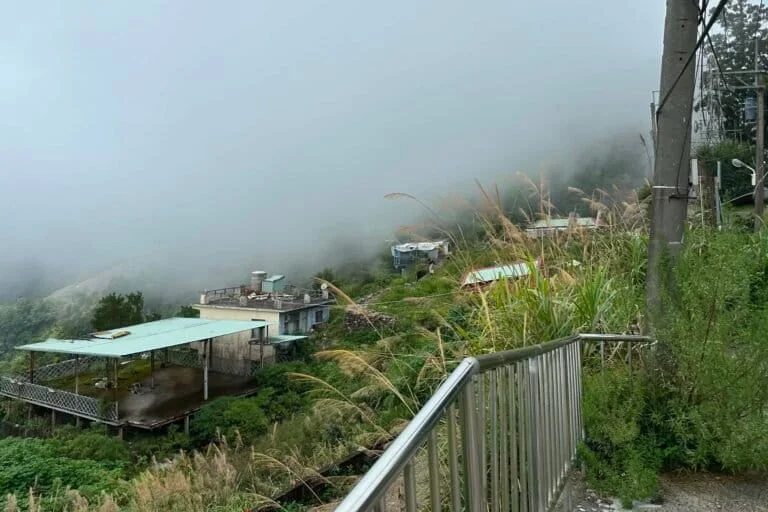
In the once-thriving village of Tengjhih, the traces of the Bunun Indigenous people's heritage are now obscured by wild grass and dilapidated buildings. Following the devastation of Typhoon Morakot in 2009, approximately 150 residents were permanently relocated to lower elevations after the storm ravaged the lone road leading to their high-altitude hamlet, as reported by contributor Aylin Ho for Mongabay. This typhoon claimed 755 lives across Taiwan and was particularly devastating for the Indigenous populations, who constituted just 2.1% of residents yet faced significant land loss, with roughly 70% of the hazardous zones declared unsafe by authorities situated within Indigenous territories.
The Aftermath of Typhoon Morakot
This catastrophic storm wasn't just a meteorological event; it was a turning point for many Indigenous communities. Typhoon Morakot wreaked havoc in 2009, reshaping entire landscapes and communities. The relocation of around 150 Bunun residents from Tengjhih is more than a statistic; it's a grim reflection of how vulnerable populations bear the brunt of natural disasters. Historically, the village stood as a living testament to the Bunun people's rich cultural heritage, characterized by their unique language, rituals, and agricultural practices. The destruction of access roads not only severed physical connectivity but symbolically erased the village's connection to its roots.
During the aftermath, efforts to restore Tengjhih were initiated in subsequent years. Yet these attempts have been met with continuous challenges, as extreme weather patterns fueled by climate change transformed what once was a vibrant community into a cautionary tale about environmental vulnerability. When authorities marked hazardous areas primarily situated in Indigenous territories, the message was clear: these communities are at the forefront of climate tragedies.
Continuous Struggles and Economic Decline
Repeated attempts to restore access to Tengjhih in 2012, 2021, and 2023 have been thwarted by intensified rainfall and landslides, worsened by climate change. Each failed attempt is a stark reminder of the unyielding forces of nature, reflecting the broader challenges many rural communities face amid rising global temperatures. The associated economic decline has been palpable; local ecotourism and agriculture, which previously provided sustainable livelihoods, have dwindled. Vulnerable communities often rely on tourism revenue, and when nature strikes, those financial lifelines vanish.
A poignant account from Bi’ Ismahasan, a 70-year-old tea and coffee farmer, underscores the gravity of this situation. His words—"When a major typhoon hits us, I have no income for the entire year"—echo the harsh reality faced by many in Tengjhih. Dependence on government aid, paired with lost harvests, paints a bleak picture. This reliance often leads to a cycle of poverty, one that becomes increasingly difficult to escape when traditional modes of subsistence are compromised.
Cultural Erosion and Future Generations
Displacement has severed deep-rooted ties to ancestral lands, hampering the transmission of cultural practices to younger generations. The cultural impact of relocation should not be underestimated. Historically, places like Tengjhih held not just physical space but deep cultural significance, serving as places where traditions were passed down. The removal of entire communities disrupts this intergenerational exchange, depriving young Bunun people of the chance to connect with their heritage.
Saminat Maliklan, a 55-year-old cultural guide, sums up this dilemma. “Today, when [young people] come back, there is no village and no work.” This stark reality is more than tragic; it reflects a broader trend witnessed across various Indigenous communities worldwide. As younger generations return to find their roots severed, the loss isn't merely of place but of identity. (And this is the part most people overlook: the emotional toll of such dislocation can be as devastating as the physical loss.)
Implications for Indigenous Communities
The future of the Bunun heritage hangs in the balance as they navigate these ongoing challenges. This circumstance is representative of a larger pattern affecting Indigenous peoples globally. Often, vulnerable populations confront a double-bind: they must combat both the direct threats posed by climate change and systemic neglect from governing bodies. The erosion of cultural practices due to displacement leads to a perilous loss of identity, a phenomenon that is increasingly critical as globalization and climate change continue to push marginalized communities into a corner.
If you're working in this space, the implications are significant. Effective policy responses and targeted interventions could play pivotal roles in both environmental resilience and cultural preservation. Without action, the fate of communities like Tengjhih hangs precariously. Their ability to rebuild and sustain their heritage largely depends on systemic recognition, respect, and resource allocation that honors their unique contributions to society. Future strategies need to revolve around cooperation, with community input being paramount to ensure that measures taken address not only environmental needs but also cultural resiliency.



Discussion
Sign in to join the discussion.