Anslem de Silva, a key figure in Sri Lanka's herpetology, continues to mentor future conservationists while hosting the first World Congress on Snakes.
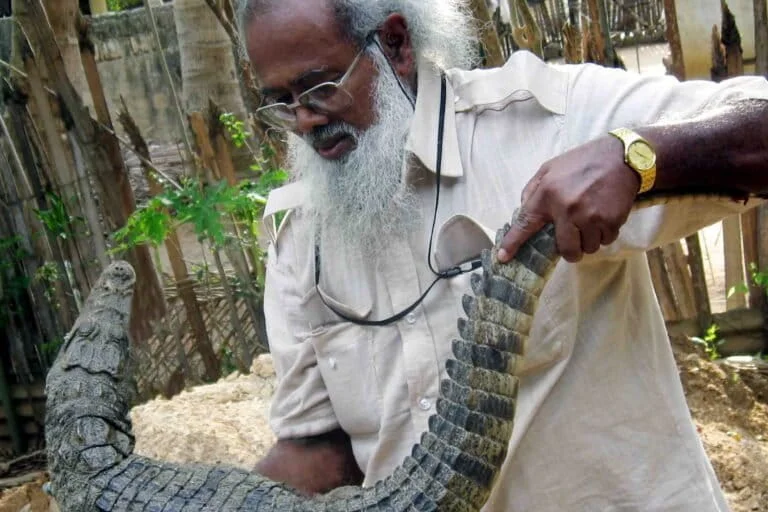
The Legacy of Anslem de Silva
At 86, Anslem de Silva stands as a towering figure in Sri Lanka’s herpetology movement. Frequently described as the father of modern herpetology in Sri Lanka, he has dedicated over sixty years to documenting the island's vast diversity of reptiles and amphibians while simultaneously nurturing generations of scholars in the field. His work is a blend of rigorous scientific inquiry and passionate advocacy for the conservation of species often feared or misunderstood. In a country rich with biodiversity, his contributions have proven pivotal in fostering an appreciation for these creatures, pushing the narrative from fear to fascination.
Fostering Research and Conservation
De Silva is preparing to host the inaugural World Congress on Snakes this October in the picturesque hill city of Kandy. This international conference will focus solely on snake conservation and research, drawing attention to the importance of these often-misunderstood creatures. Here's the thing: while snakes frequently conjure fear in many cultures, conferences like this aim to illuminate their ecological significance and the urgent need for conservation efforts. For Sri Lanka, a biodiversity hotspot, such dialogues are not merely academic; they can translate into impactful policy changes and conservation strategies.
A Distinguished Career
Over his remarkable career, de Silva has published more than 350 scientific papers and authored over 25 books. His journey began in the 1960s when research on Sri Lanka’s reptiles was minimal. At that time, documentation of species was sporadic and often lacked the scientific rigor necessary for effective conservation efforts. To foster local expertise, he organized the first one-day herpetological conference in the country, setting a precedent for ongoing discussions about reptiles and amphibians.
Moreover, he inaugurated Sri Lanka’s first herpetological journal, Lyriocephalus, and established the Amphibia and Reptile Research Organization in 1990. These initiatives didn't just create avenues for scholarly communication; they helped legitimize herpetology as a credible scientific field in Sri Lanka. In a sense, de Silva crafted a community where once there was silence—something that can’t be undervalued in scientific discourse.
Mentorship and Impact
The impact of de Silva’s mentorship cannot be overstated; many of today’s leading herpetologists in the region credit him as a pivotal influence. Ruchira Somaweera, a conservation biologist, fondly recalls receiving an inscribed copy of Lyriocephalus at age 13, highlighting de Silva's role in shaping the next generation of researchers. “Most of the herpetologists of my generation were groomed by de Silva,” Somaweera reflected, emphasizing his role in inspiring countless students over the decades. The admiration isn’t one-sided; de Silva’s dedication to fostering young talent underscores a commitment that transcends his personal achievements.
Born in 1940 in Matara, Sri Lanka, de Silva’s fascination with snakes ignited early when he began rescuing them, showcasing his lifelong commitment to understanding and preserving herpetological diversity. His journey isn't just a catalog of scientific accomplishments, but also a tapestry woven with the narratives of students and colleagues inspired by his vision. Each researcher he’s mentored amplifies his legacy as they push boundaries in herpetological studies.
Implications and Future Outlook
The unfolding story of Anslem de Silva is more than just a personal achievement; it has significant implications for the broader scientific community regarding conservation. His work highlights a critical intersection between education and ecology, where mentorship leads to a more informed and engaged next generation. If you're working in this space, the challenge will be sustaining this momentum beyond de Silva’s era. As newer conservationists step into the spotlight, the frameworks he established will be crucial for their development.
Looking ahead, the initiation of conferences like the World Congress on Snakes signifies a shift toward a more global conversation about conservation. The collective awareness of herpetological issues could grow exponentially, potentially influencing conservation policies not just in Sri Lanka, but worldwide. This kind of shift could lead to reassessments of how society views reptiles, thereby fostering greater coexistence. Yet, this is a double-edged sword; with increased attention comes the risk of overexploitation if conservation efforts lack teeth.
The global community of herpetologists will need to monitor the outcomes of discussions at the upcoming congress closely. The future of snake conservation depends not only on enhanced research but also on fostering public engagement and education around these often-maligned creatures. De Silva's journey, characterized by his unwavering commitment and strategic foresight, serves as a foundational case study in meeting such challenges head-on.
This article was originally published on Mongabay.



Discussion
Sign in to join the discussion.