Leather Industry Addresses Reputation Challenges After EU Exemption from Deforestation Law
Published Sep 18, 2026Reads 926By Andy Lehren
The leather industry seeks to reshape its negative image following the EU's exemption from deforestation regulations, as it faces scrutiny for regulatory inconsistencies.
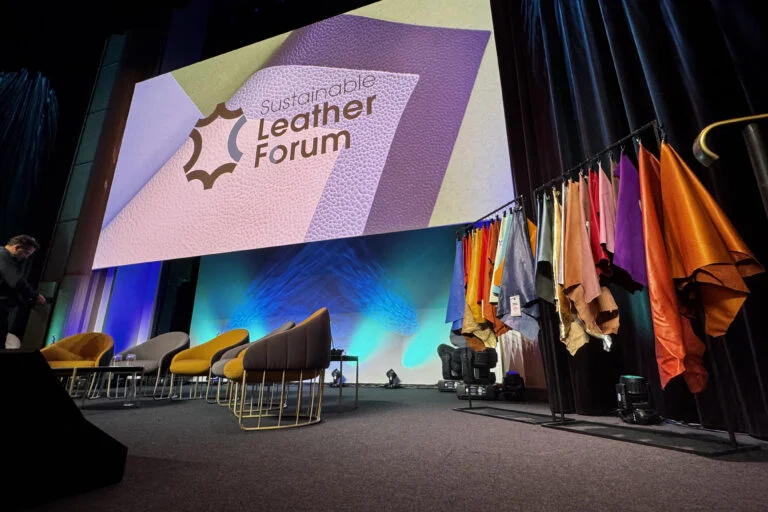
PARIS — The annual Sustainable Leather Forum, held at the esteemed Maison de la Chimie in Paris on September 7, drew around 400 participants, including international tanners, luxury-brand leaders, and meatpacking executives. Attendees focused on strategies to counteract what they view as an unfair “negative perception” surrounding leather, emphasizing its role in the circular economy by utilizing bovine hides that might otherwise be wasted.
The Context of the Sustainable Leather Forum
In recent years, the demand for sustainability across industries has surged. For sectors like leather, which have traditionally faced scrutiny for environmental impacts, these conversations are more urgent than ever. The Sustainable Leather Forum serves as a vital platform for stakeholders to address these pressing issues while simultaneously highlighting the potential for sustainability in their operations. The inclusion of movers and shakers from the luxury segment underscores the importance of image and perception in modern business.
While media portrayals often diminish leather's value, advocates at the forum argue that leather production can—and should—be integrated into broader sustainability frameworks. They advocate for practices that reduce waste and promote the responsible use of animal byproducts, arguing that avoiding leather means wasting resources that might be utilized. But can these claims stand up to scrutiny? The justifications may seem logical, yet the reality of animal agriculture is complex and fraught with ethical considerations.
Regulatory Contradictions in Europe
Amidst this dialogue, a significant development emerged: the EU has exempted leather from its stringent deforestation law, a decision made after substantial lobbying efforts. This exemption sits uneasily alongside existing restrictions on beef imports, creating a notable regulatory inconsistency. The dilemma raises questions about why leather products sourced from the same animals entering Europe are not held to the same deforestation-free standards as beef imports.
This regulatory inconsistency amplifies the debate about the responsibility borne by different sectors in mitigating climate change. By exempting leather from stringent regulations, the EU may inadvertently encourage practices that lead to further environmental degradation. If the aim is to promote sustainability, why are different standards applied to products from identical sources? This contradiction invites scrutiny from environmentalists and organizations dedicated to sustainable practices.
From a broader perspective, this situation reflects a fundamental challenge within policy-making, where economic interests often clash with ecological considerations. It raises the question: how can regulations evolve to address not only industry needs but also environmental imperatives?
Industry Reactions and Concerns
Critics argue that this exemption creates a significant loophole, undermining the integrity of the law by allowing a split responsibility within a single production system. Environmental and supply chain researchers express concern over how this could weaken efforts to ensure sustainability. They point out that without consistent regulations, companies may find it easier to sidestep their obligations to the environment, impacting long-term sustainability efforts negatively.
Industry representatives, including executives from the leather sector, contend that these legal discrepancies have contributed to a reputational crisis. One tannery executive remarked that the EUDR, rather than aiding, did a “disservice” to an industry committed to recycling byproducts that would typically be discarded. This notion brings forth an important point: industries must navigate both public perception and legislative requirements in a manner that reconciles profitability with responsibility.
And this is the part most people overlook: while some in the leather industry strive to present a sustainable front, the regulations you work under often dictate the realities of compliance and operational strategy. The argument for recycling animal products as a pillar of sustainable practices is compelling, but it's fortified by structural support from regulations. Without such frameworks, misunderstandings and mistrust may erode public confidence.
According to the Leather and Hide Council of America (LHCA), about 40% of global cowhides enter the production chain under these circumstances. However, the proportion of companies actively engaging in sustainable practices could be obscured by the broader framing of leather as environmentally harmful. Essentially, the industry is caught in a feedback loop where its own defensive stance may inadvertently reinforce negative perceptions.
Future Implications for the Leather Market
What this means for you, especially if you’re working in this space, is that the future of the leather industry hinges on navigating these conflicting perceptions and regulations. As more consumers demand transparency and sustainability, companies will face pressure to adapt. If the industry fails to present a united front in addressing environmental concerns, it risks losing substantial market influence not only to competitors but also alternatives that consumers may view as more environmentally sound.
There's also a shifting marketplace landscape: brands are increasingly incentivized to adopt sustainable practices in order to appeal to an eco-conscious customer base. Those companies that proactively engage with the critical views surrounding leather, rather than relying on exemptions, could position themselves favorably as industry leaders in sustainability.
As environmental regulations tighten across Europe and globally, industries must adapt or risk being left behind. The exemption granted by the EU may offer a temporary reprieve for leather, but it ultimately exacerbates the urgency for transparent practices. Regulations should not just be legal obligations; they should also serve as benchmarks for best practices that can propel industries toward a genuinely sustainable future.
In using bovine hides that would otherwise go to waste, the leather industry has an opportunity to reframe itself positively—if it can overcome current challenges and continue innovating responsibly. But to do so, the dialogue between industry and legislative bodies must evolve. Clearer, more consistent regulations are needed if the sector is to move forward without the burdens of its past tethering it down.



Discussion
Sign in to join the discussion.