For the first time, sea turtle eggs have been discovered on California beaches, marking a significant milestone for wildlife conservation.
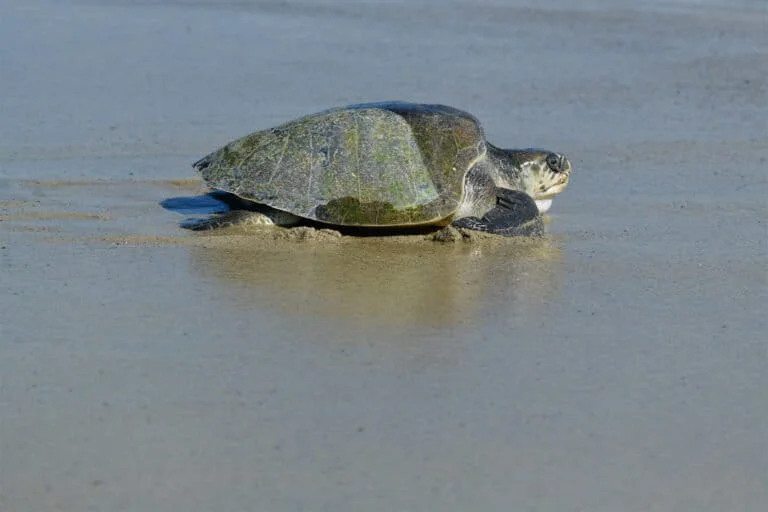
HUNTINGTON BEACH, Calif. — A remarkable event unfolded on the shores of Southern California recently, as an olive ridley sea turtle became the first of its species to lay eggs on the U.S. West Coast. The initial nest was found on September 16 near Seal Beach, followed by another discovered three days later by the Huntington Beach Pier, marking a historic first for the region, as confirmed by the National Oceanic and Atmospheric Administration (NOAA).
Details of the Discovery
The olive ridley turtle, known for its relatively smaller size—adults typically reaching up to 100 pounds (45.3 kg)—is primarily found in tropical waters across the Pacific, Indian, and Atlantic oceans. These nesting sites have been secured with fencing to protect them during the critical incubation period of approximately 45 to 60 days.
What’s noteworthy here is that olive ridley turtles are not commonly seen on the U.S. West Coast. While there have been occasional sightings, the successful nesting presents significant implications for both the species and marine conservation efforts. Typically, these turtles prefer warmer waters and are more often found in locations like Mexico or tropical regions in the Pacific. Nesting behavior in this unexpected locale raises questions about changing environmental conditions or shifting migratory patterns influenced by climate change.
Local Reactions
Trevor McDonald, marine safety chief at the Huntington Beach Fire Department, expressed enthusiasm about the nesting events. Lifeguards initially suspected the turtle was unwell when they saw it digging, but their concerns gave way to amazement as it began laying eggs. This transformation from concern to wonder reflects a broader appreciation within the community for local wildlife and its needs.
Local residents are equally captivated; Heidi Stephen shared her son Jude's excitement over witnessing the nesting first-hand. “It’s so magical,” she noted. This sentiment captures the community's engagement with their natural environment. People aren't just passive observers; they're active participants in a moment that could shape the ecological narrative of the region.
George Zamora expressed hope for the successful hatching of the eggs, emphasizing the significance of this rare occurrence for local wildlife conservation efforts. His optimism appears to resonate with many, as there’s a palpable interest in the implications of this event on local ecology and conservation practices.
Environmental Implications
The nesting of olive ridley turtles in this region isn't merely a curiosity; it could represent a shift in the environmental dynamics of the area. As ocean temperatures rise and habitats alter, species are adapting in ways that challenge our understanding of traditional migratory and nesting patterns. This case invites researchers to consider the long-term effects of climate change on marine life. Will more turtles venture to this coast? How will human activity impact their survival during critical life stages?
This scenario helps spotlight the need for community involvement in conservation. Local beaches will likely see increased attention, and with it, challenges regarding human impact on nesting sites. Are residents prepared to advocate for protective measures? Engaging the public in these dialogues offers an opportunity to strengthen local stewardship of marine habitats.
A Unique Moment in Conservation History
This isn’t just a story about a nesting turtle; it stands as a testament to potential shifts in marine conservation. Typically, successful nesting can be indicative of a recovering species, suggesting that conservation efforts in other regions may be yielding benefits that extend beyond their initial geographic boundaries. The return of olive ridley turtles, at least as nesters, could prompt a reevaluation of conservation strategies along the West Coast.
And yet, challenges remain. The delicate balance of allowing natural processes to occur while managing human intrusion is complicated. As these turtles negotiate the uncertainty of their environment, the local community and conservationists must work together to provide support, education, and perhaps even facilitate the legal frameworks needed to protect these new nesting sites.
Looking Ahead
The future holds many questions for the olive ridley turtles and their newly discovered nesting grounds. Will they adapt further to use this environment? Can the local human population manage responsibly to ensure these efforts don’t go to waste? With ongoing efforts in marine habitat restoration and protection, the sight of a nesting turtle could become a beacon of hope for declining marine species.
Ultimately, if you’re working in this space, this event serves as a reminder of the connectedness between ecological health and human actions. It underlines a need for closer observation and engagement with such phenomena. As scientists and advocates contemplate next steps, public interest will play a pivotal role. This new chapter for olive ridley sea turtles isn’t simply an isolated event; it’s an opportunity for communities to reflect on their role in the evolving narrative of coastal ecology.
In the end, witnessing such a rare event sparks something inside us—a recognition of our collective responsibilities toward the natural world.


Discussion
Sign in to join the discussion.