A new report reveals the troubling transformation of a proposed Indigenous-led conservation park in Sarawak into a timber concession, threatening vital ecosystems.
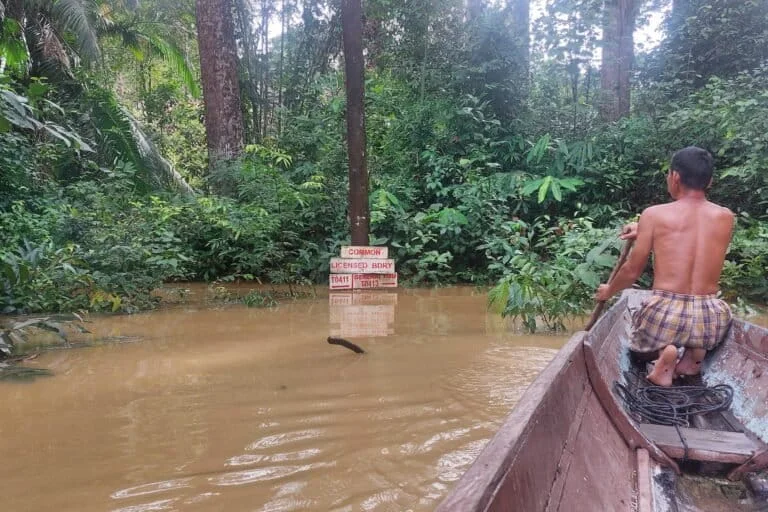
A recent report underscores the precarious situation of the proposed Baram Peace Park in Sarawak, Malaysia, which was envisioned as a collaborative conservation initiative with Indigenous communities. Instead, it has been repurposed into a timber concession, resulting in significant deforestation. Presented by numerous civil society organizations in a press conference on August 27 in Kuala Lumpur, the report titled “Plundering the Baram Peace Park” calls for recognition of ongoing logging activities in primary forests and highlights procedural irregularities surrounding the concession's approval.
As concerns over environmental degradation intensify, this development highlights a broader conflict between development interests and Indigenous rights. The Baram region, known for its rich biodiversity and cultural significance, offers a critical frontline in the ongoing struggle for environmental justice. The report’s findings are alarming not just for Malaysia, but for global conservation efforts as they shine a light on how local commitments to sustainability can be easily undermined by profit-driven agendas.
International Criticism and Local Impact
Led by the Swiss nonprofit Bruno Manser Fonds and backed by various NGOs, the report specifically criticizes the International Tropical Timber Organization (ITTO) for continuing to finance projects in the region. This occurs even after a coalition formed between Indigenous leaders, the Sarawak government, and civil society groups collapsed in 2024, diminishing any hopes for joint management of the area. You have to wonder how an organization dedicated to sustainability could turn a blind eye when its funding might be implicated in environmental destruction.
The ITTO’s position is particularly concerning when you consider that its ongoing financial support could further entrench a system that prioritizes extraction over preservation. This paints a troubling picture for sustainable development efforts in Sarawak, as well as for similar ecosystems worldwide. With decisions being made at a distance, the local populations who depend on the forest are left voiceless in determining their own fate.
The Coalition's Fragility
The Upper Baram Forest Area’s transformation into a community-led conservation project has roots stretching back over 15 years. From 2009 to 2024, it was proposed to become the Baram Peace Park, promising collaboration between Indigenous villages and the Sarawak forest department for forest protection. The initiative gained traction in 2021, following a formal project proposal to the ITTO, which successfully raised $1.4 million aimed at developing conservation efforts with the participation of 32 Indigenous groups, including the Penan, Kenyah, Kelabit, and Saban.
However, the promising ideas for the Baram Peace Park have been steadily undermined by external pressures and a lack of genuine commitment from decision-makers. Regrettably, the dissolution of the coalition reveals a systemic fragility inherent in partnerships formed between government entities and Indigenous communities. Whenever financial incentives shift toward exploitation rather than conservation, as we’ve seen here, local initiatives often crumble.
As Indigenous groups were progressively sidelined in decision-making, the prospects of collaborative forest management became increasingly tenuous. (And this is the part most people overlook) While the report highlights the intent of cooperation, it fails to account for the enduring reality that such alliances are often fragile. Political and economic motivations frequently disrupt goodwill between Indigenous leaders and government representatives, leaving a vacuum that can quickly be filled by timber concessions.
Deforestation and Its Ramifications
The effects of the transformation from a peaceful coexistence model to a timber concession cannot be overstated. Deforestation in the Baram region poses significant ecological risks, not only impacting biodiversity but also affecting climate stability. The rich tapestry of life in forested areas contributes to carbon sequestration, water regulation, and overall ecosystem health. Sacrificing these forests for short-term economic gains echoes a pattern seen in many contested regions around the world. As nature’s safeguards diminish, communities face an array of new challenges, including loss of livelihoods and heightened vulnerability to environmental hazards.
Moreover, the report’s focus on procedural irregularities surrounding the concession's approval adds another layer of complexity. Regulatory loopholes and questionable governance practices often facilitate deforestation, with short-sighted policies that favor timber extraction coming at the expense of Indigenous rights and environmental health. This sets a dangerous precedent where commercial interests consistently override more sustainable approaches to land use.
Future Outlook: What’s at Stake
The ongoing developments in Sarawak raise critical questions about future conservation projects worldwide. If you're working in this space, you know that the failures seen here could resonate beyond Malaysia, influencing how similar initiatives unfold elsewhere. The balance of power between resource extraction and ecological preservation is delicate, and when that balance tips, the consequences can reverberate for generations.
Looking ahead, the fate of the Baram Peace Park is uncertain. The loss of the coalition is a major setback, but it could also serve as a rallying cry for other communities. Advocates for climate justice may find inspiration in this situation, as it starkly illustrates what’s at stake when local voices go unheard. The fight for conservation in Sarawak could become a focal point for wider ecological activism, underscoring the importance of Indigenous rights and ecological integrity.
As this battle for the Baram unfolds, it serves as a reminder that the clash between development, conservation, and Indigenous rights is far from settled. What will happen next? Only time will reveal whether the mounting pressures can be transformed into a movement for change, or if they will further entrench the very practices that led to the collapse of collaborative initiatives.



Discussion
Sign in to join the discussion.