The push for renewable energy in Borneo raises questions about the social impact on Indigenous communities displaced by major hydroelectric projects.
The Renewable Energy Dilemma
As the world confronts climate change, the green transition often brings forth the unresolved issue of its social costs. The push for renewable energy isn't just a matter of technological advancement; it’s a deeply intertwined social issue. In Malaysian Borneo, hydroelectric dams are at the forefront of this transition. These projects are often seen as necessary for a sustainable future, but they come with their own set of controversies. The dams are not merely energy generators; they are agents of change that have significant implications for local communities.
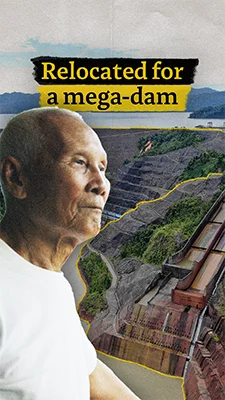
In Sarawak, the ambition to export power beyond state lines has led to substantial investment in large-scale hydroelectric projects. The Bakun Hydro-electric Dam, among the largest in Southeast Asia, serves as a prime example of this dynamic. Designed to produce about 2400 megawatts of electricity, the Bakun dam has been hailed as a pillar of Sarawak's renewable energy strategy. However, the underlying social and environmental costs bring a different narrative into the spotlight.
Community Impact and Displacement
Approximately thirty years ago, Indigenous communities were uprooted to facilitate the dam's construction. This kind of displacement isn't new; it's a recurring theme in the chronicles of energy development. Large infrastructure projects, particularly in developing regions, often lead to the dismantling of communities for the sake of progress. The question remains: at what cost? In our new in-field series, @IzzySasada engages with those affected, exploring the intricate ties between land, identity, and energy production. These are not just abstract issues; they are lived experiences that deserve attention.
The first episode of "Conservation Entangled" sheds light on the dual challenge of development and displacement. You'll hear stories from the Indigenous people who once called the fertile lands surrounding the dam home. Many have faced a loss of not just physical land but also cultural identity. The interplay of development and unity often results in conflicting interests, complicating the narrative of renewable energy.
This situation raises critical questions about who bears the burden of progress in the name of renewable energy. While the governments and corporations involved may view these projects exclusively from a profit and productivity lens, local communities often bear the brunt of negative consequences. With projects like Bakun continuing to expand, the urgency for equitable dialogue about their local impact is more pressing than ever.
The Broader Context of Renewable Energy Projects
Looking beyond the Bakun project, the issues at hand aren't isolated. Similar situations have occurred globally, from the Amazon rainforest in Brazil to the highlands of Tibet, where energy projects have led to the displacement of communities. In many cases, these projects are justified under the banner of sustainable development, yet, they often overlook the rights and voices of those most affected. Comparisons can be drawn to infrastructure projects that have been accused of greenwashing, where the environmental benefits are touted while social costs are ignored.
Hydroelectric projects, particularly large-scale dams, can disrupt local economies reliant on fishing, agriculture, and traditional land use. More than infrastructure, they alter the very fabric of life for Indigenous tribes. History has shown that proper consultations are often sidelined in favor of quicker economic gain. The societal implications of these decisions often unfold over decades, meaning that those displaced may never see the benefits promised by the projects that uprooted them.
Regulatory Frameworks and Accountability
A significant part of the problem lies in the regulatory frameworks governing these projects. Many countries have inadequate legal protections for Indigenous rights, leading to situations where communities have little power to influence decision-making processes. The lack of accountability can result in projects that are environmentally and socially detrimental, complicating the narrative that renewables are inherently good for the planet.
It's evident that those involved in planning large-scale energy projects need to engage more comprehensively with local communities. Multilateral agreements and partnerships often fail to filter down to the local level. What's required is a systematic overhaul of how energy projects are conceived, taking into account the voices of Indigenous people and other stakeholders.
Implications and Future Outlook
The implications of the Bakun dam extend far beyond its immediate geographic reach. They exemplify a broader challenge in the renewable energy sector—namely, balancing the urgent need for sustainable energy with ethical oversight of societal impact. As countries globally ramp up their renewable energy capacities, the lessons learned from Borneo can serve as a cautionary tale.
If you're working in this space, these dynamics can no longer be ignored. The dialogue must shift from merely highlighting the environmental benefits of renewable energy to addressing the social costs that often accompany these developments. Energy corporations and governments must recognize that truly sustainable practices must include the social fabric of the communities they affect. Otherwise, the backlash against projects like Bakun, driven by displacement and broken promises, will continue to escalate.
The conversations are likely to grow, fueled by not just environmental advocates but also public sentiment against social injustices. Meaningful engagement with Indigenous communities might present a complex challenge, but it’s a necessary step toward genuine sustainability. The future of energy production isn’t just about numbers and kilowatt hours; it’s also about people. As we chart our path forward, integrating this perspective will be key to achieving an equitable transition to renewable energy.
For more insights, you can access the original article on Mongabay.



Discussion
Sign in to join the discussion.