Peru's vanishing glaciers threaten water security; restoring ancient ecosystems may be essential for maintaining vital water sources.
Climate Change and Water Security in Peru
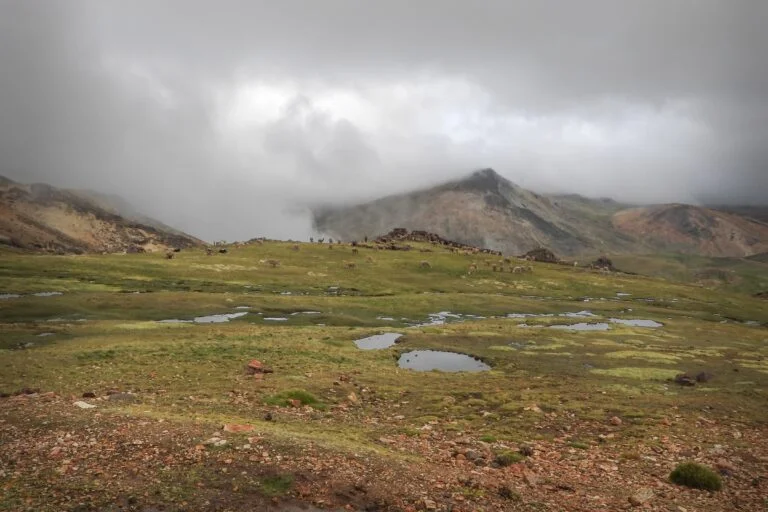
In the highlands near Villa de Arma, community leaders share memories of a snowy landscape now transformed. This central-Andean area, located approximately 3,200 meters (10,500 feet) above sea level in Huancavelica, has seen significant glacial retreat. Over the last sixty years, climate change has caused a staggering 56% loss of Peru's glacier mass, crucial for supplying water to both urban centers and dry regions. With glaciers playing a vital role in the hydrology of the Andes, this decline poses a serious threat to the water security of millions who rely on these frozen reserves.
The Local Impact
Residents express deep concerns over their future water supply. Edison Sánchez Toscano, a field technician from the Peruvian NGO Asociación Ecosistemas Andinos (ECOAN), emphasizes the gravity of the situation: "If they are left without water, they are left with nothing." This stark reality hits particularly hard in Villa de Arma, a critical watershed feeding the Chincha Valley. As water from these melting glaciers diminishes, local agricultural practices, drinking water supplies, and even energy generation may be at risk.
This situation is not merely an environmental issue; it’s an economic and social crisis, especially for communities dependent on agriculture. Sustainable farming in these high-altitude regions is already challenged by shifting weather patterns. The loss of glacial water means that crops could fail, leading to food insecurity and increasing poverty levels. The situation isn’t just about ice melting; it’s about livelihoods collapsing. If you're working in this space, you'll understand how urgent this is.
Ancient Ecosystem Restoration Efforts
With glaciers diminishing across the landscape, there’s a growing focus on restoring ancient Andean ecosystems like wetlands and native forests. These ecosystems have the potential to effectively store and regulate water supplies, presenting a natural way to address the looming crisis. In 2025, ECOAN will spearhead a new project aimed at employing these ancient methods to safeguard water resources and combat the climate-driven issues facing local communities.
This strategic approach reflects a broader understanding that preserving and revitalizing natural systems can profoundly contribute to water security in Peru's high-altitude regions. By returning to these age-old practices, communities can boost their resilience against climate change. However, restoration is not just about planting trees or creating marshes. It involves engaging local knowledge and traditional practices, often overlooked in modern conservation efforts.
Implications and Future Outlook
The implications of these environmental shifts extend well beyond mere numbers. With significant parts of Peru's glacial landscape disappearing, the potential for conflict over water resources increases. As urban areas expand and agricultural demands rise, the reliance on these dwindling water sources could lead to tension among users. Such scenarios have played out globally, where water scarcity breeds competition and strife.
Moreover, the success of initiatives like ECOAN’s restoration project might set a precedent for similar efforts across Latin America. If proven effective, this model could influence policies in regions grappling with water insecurity amid climate change. There’s a growing recognition that tackling climate challenges requires more than technological solutions; it demands acknowledging and integrating traditional ecological knowledge.
(and this is the part most people overlook) As communities continue to adapt to the realities of climate change, the way they manage their water resources will be critical. Grassroots movements in Peru and elsewhere can serve as powerful reminders of the importance of local agency in restoration efforts. Strengthening these social fibers might just be the key to ensuring sustainable water management in the face of overwhelming environmental upheaval.
The future for water security in Peru is uncertain, influenced by both global climate trends and local governance. Unless immediate and concerted actions are taken—whether through restoration, policy change, or community engagement—the region risks facing severe water shortages that could undermine its agricultural base and strain social cohesion. While initiatives like those from ECOAN offer hope, they also underscore the urgency for broader, systemic changes to how societies view and manage their natural resources.



Discussion
Sign in to join the discussion.