Wildfires in Indonesian Borneo are devastating the habitat of critically endangered orangutans, pushing them further to the brink of extinction.
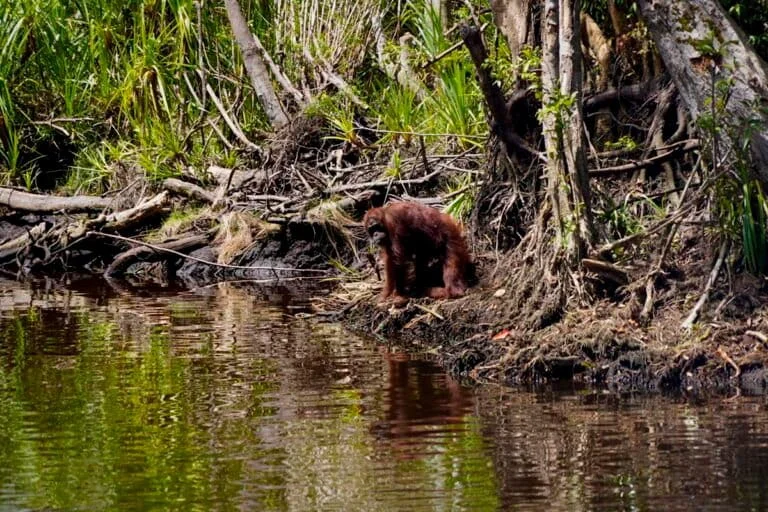
JAKARTA — The rampant wildfires in Indonesian Borneo are drastically reducing the available habitats for orangutans, with flames either encircling their territories or destroying the forests they rely on. This year, the fires are affecting a fragmented forest region home to the critically endangered Bornean orangutans (Pongo pygmaeus), particularly in West Kalimantan, which includes vital areas like Gunung Palung National Park and the Mendawak Biodiversity Corridor.
Importance of Gunung Palung National Park
Gunung Palung National Park stands as one of the last bastions for Central Bornean orangutans, historically supporting a population estimated at around 2,500 individuals. It's significant not just for its size but also for its diverse forest habitats that encourage long-term ecological studies and sustain various other species. However, recent spatial analysis by technology consultancy TheTreeMap indicates that hotspots began to emerge in this critical area as early as August 27. Alarming reports show that these hotspots overlap with the national park's core zones, further underscoring the intensifying risk to the orangutan population.
The crucial role of Gunung Palung National Park can't be overstated. It provides not only sanctuary for orangutans but also supports an array of biodiversity that includes unique flora and fauna. The park is a living laboratory, offering insights into ecological processes and wildlife behavior. Historically, this location has been instrumental in conservation efforts, providing a baseline for research and a model for protecting similar habitats elsewhere.
Challenges of Fragmented Habitats
The Mendawak Biodiversity Corridor adjacent to the park plays a crucial role in the ecosystem by providing habitat continuity beyond the park's boundaries. Although it’s not yet a fully secured corridor, it aims to maintain and reconnect fragmented forest areas. Yet, even this vital corridor has not escaped the devastating effects of the ongoing fires, exacerbated by an exceptionally strong El Niño phenomenon that is influencing dry conditions across Indonesia this season.
The implications of these fragmented habitats extend beyond just orangutans. Ecosystems thrive on connectivity; when animals can't move freely between areas, their genetic diversity diminishes. This results in weakened populations that are more susceptible to disease and less adaptable to changes in their environment. That said, orangutans are particularly reliant on large territories for foraging and breeding. Their survival hinges on access to rich food sources spread throughout their home ranges, which increasingly are being severed.
Implications and Future Outlook
The current crisis in Borneo is a reflection of larger environmental challenges that go beyond mere habitat loss. Climate change is intensifying weather patterns, and events like El Niño are becoming commonplace, leading to conditions that exacerbate wildfires. If this pattern continues, habitat destruction could accelerate, and orangutans may face extinction sooner rather than later. Experts warn that if current trends persist, it may not be long before the Bornean orangutan is nothing but a memory.
What's often overlooked in these discussions is the human element. Local communities depend on the forests for their livelihoods, and as fires rage, they too face the threat of displacement. Many locals engage in traditional practices that, when balanced with conservation efforts, could help mitigate damage. If you're working in this space, consider how collaborating with indigenous communities can create sustainable pathways forward that benefit both people and wildlife.
Economic pressures are mounting, especially as industries like palm oil and logging continue to encroach on forests. The need for immediate intervention is pressing. Policy shifts towards stricter protections are essential, alongside initiatives that empower local communities toward conservation practices.
The ongoing situation poses dire consequences for the survival of the Bornean orangutans, as their diminishing refuge leaves them with even fewer options for shelter amid a rapidly changing environment. The future is uncertain, but there are models of success. Conservation efforts elsewhere, when powered by local knowledge and support, have shown promise in restoring habitats and empowering communities.
As the world watches Borneo burn, the narrative of orangutan conservation unfolds—a story intertwined with broader ecological, social, and economic threads. What happens here might well serve as a case study for other regions facing similar crises. This could be the moment that compels urgent dialogue and action, but only time will reveal whether we heed the warning signs.



Discussion
Sign in to join the discussion.