Researchers in Thailand unveil Thismia daemona, a critically endangered flower with a striking appearance, newly identified in montane forests.
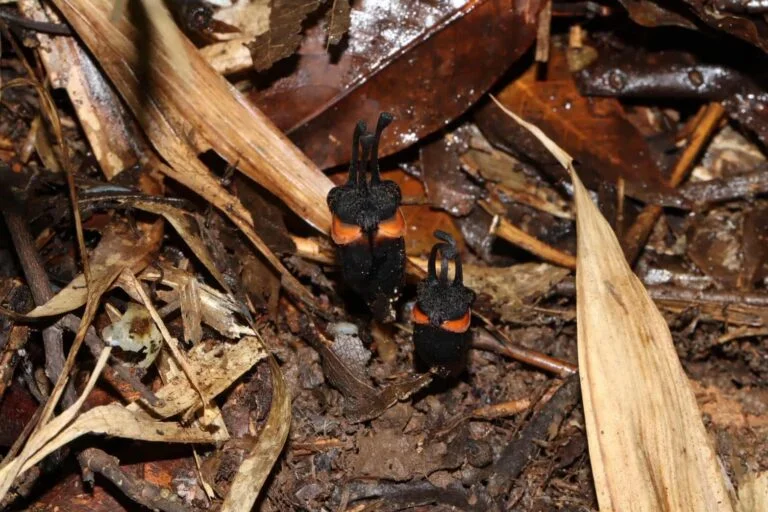
Discovery in Thong Pha Phum National Park
Botanists have recently recognized a new species of "fairy lantern," named Thismia daemona, during their exploration of the evergreen forests in Thong Pha Phum National Park, Thailand. This discovery adds to the incredible variety of life within these rich ecosystems. Found at nearly 1,000 meters (approximately 3,300 feet) above sea level, T. daemona demonstrates an unexpected habitat preference for montane ecosystems, contrasting with its relatives typically discovered in lowland rainforests.
Thong Pha Phum National Park is a relatively unexplored area compared to other regions in Thailand. Spanning over 1,400 square kilometers, it comprises dense forests and rich biodiversity. Yet, this park has remained something of an enigma in botanical research. As researchers push the limits of our understanding, they reveal hidden gems—new plant and animal species that thrive in these specialized environments. In this context, the discovery of T. daemona serves not just as a testament to nature's creativity but also underscores the importance of preserving such unique habitats.
Unique Characteristics
Thismia daemona stands out with its dramatic, devil-like appearance, featuring a dark floral tube adorned with horn-like appendages and vibrant reddish-orange petals at the base. This striking morphology isn't merely for show; it's an adaptation that serves to attract specific pollinators. However, its unconventional look reflects the hidden nature of this species, as it remains largely subterranean, concealed beneath layers of leaf litter. Lacking chlorophyll, T. daemona cannot perform photosynthesis, indicating a fascinating journey of evolution that brought it to this unusual lifestyle. Instead, it relies on soil fungi for nourishment throughout most of its life—a fascinating mutualistic relationship that prompts further inquiry into the ecological dynamics at play.
Observing how Thismia daemona engages with its environment also reveals something intriguing about the interconnectedness of life. These types of plants often represent a broader story about the forest ecosystem, acting as indicators of soil health and biodiversity. That said, their preference for montane habitats raises many questions. Could this be a sign of changing environmental conditions? And if so, what does that imply for other species that share its ecological niche?
Significance of the Find
The surprise discovery of Thismia daemona has intrigued researchers, with co-author Sahut Chantanaorrapint from Prince of Songkla University remarking on the unexpected nature of this plant's habitat. It’s not just about adding another name to the list of known species; this peculiar flower adds a layer to our understanding of biodiversity in montane forests. In many ways, findings like these are critical for painting a fuller picture of ecological diversity. The existence of T. daemona highlights the lack of comprehensive exploration in areas like Thong Pha Phum, which may still have untold secrets awaiting discovery.
Moreover, this plant's critical endangerment brings an urgent focus on conservation efforts. The rare existence and intriguing characteristics led the team to conclude that the name Thismia daemona fittingly reflects its unique and mysterious essence. There's a vital intersection here: as researchers unveil new species, they simultaneously bring attention to the threats facing these organisms. Habitat loss, climate change, and other anthropogenic factors pose significant risks to fragile ecosystems. If you're working in this space, this means greater responsibility in balancing conservation with the desire for exploration.
Implications and Future Outlook
The discovery of T. daemona is more significant than it looks on the surface. Not only does it contribute to the catalog of plant species, but it also offers a window into the ecological vitality of montane forests. The ongoing exploration and documentation of such species are essential, not just for biodiversity cataloging but for understanding environmental shifts. Scientists often emphasize that isolated discoveries can lead to insights about entire ecological systems. The interrelations among species, pollutants, and climate create a complex web that requires careful study.
As conservation priorities evolve, protecting habitats like those in Thong Pha Phum National Park becomes increasingly significant. These ecosystems serve broader functions, from carbon sequestration to water filtration. Researchers and conservationists must collaborate to develop strategies that preserve these irreplaceable environments. The story of Thismia daemona is a call to action, reminding us that we still have much to learn about the natural world. As the narrative unfolds, we can only hope it prompts the necessary dialogue and policy shifts required to protect our planet's biodiversity.
This article was originally published on Mongabay.



Discussion
Sign in to join the discussion.