A coalition of 27 wildlife conservation organizations has called for Vantara to stop all wild animal imports following concerns over management practices.
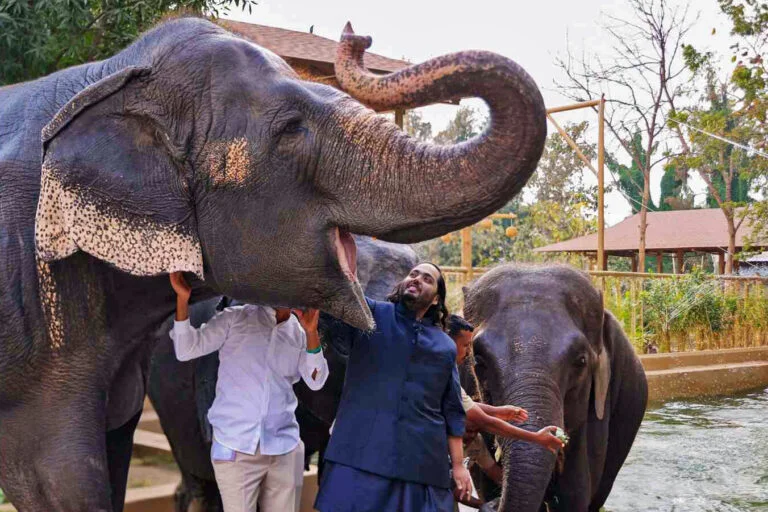
A coalition consisting of 27 international wildlife conservation and animal welfare organizations has formally requested that Vantara implement a permanent ban on all wild animal imports. The zoo, managed by a billionaire and backed by Reliance Industries' philanthropic foundation, has faced scrutiny over its animal acquisition practices.
Context of the Coalition's Request
This coalition isn’t just a casual assembly of organizations—they represent a significant voice in the global conversation regarding wildlife conservation. With members ranging from local animal rights groups to international wildlife organizations, their collective request is more than a simple plea. It stems from growing concerns that zoos, while ostensibly focused on conservation and education, can perpetuate unethical practices regarding animal imports. The call for a permanent ban highlights the ethical dilemmas that frequently accompany zoos’ acquisition methods. When examining Vantara’s track record, it becomes evident that their practices have not always aligned with the ethical standards many of these organizations advocate for. And let's face it: Vantara finds itself under the microscope. The history of wildlife acquisition in zoos has been tainted by incidents of questionable sourcing. The public, increasingly aware of these issues, demands not just transparency but accountability. This coalition may view their request as a necessary step to ensure that practices in wildlife management evolve to meet higher ethical standards.Vantara's Operational Changes
On September 22, 2026, the NGOs sent an open letter to Mr. Amit Aggarwal, Vantara's president of regulatory affairs, wherein they proposed strategies to enhance Vantara’s operational practices and improve outcomes for the animals. This action isn't merely procedural; it speaks to a clash of values. On one side, we have an impassioned demand for reform from organizations that see the moral implications of animal welfare. On the other, Vantara is trying to navigate the pressures of public scrutiny while maintaining its operational ambitions. This initiative follows Vantara’s August 19 press release announcing a “voluntary commitment” that includes a 12-month moratorium on animal imports, retroactive to June 5, 2026. In that announcement, Vantara stated it has rescinded all pending import applications and will refrain from making new requests during the moratorium. The timing is telling: an all-out moratorium suggests an acknowledgment of criticism and a possible tactic to appease the growing demands from conservationists. But here's the thing: while the moratorium may appear as a positive step forward, it’s essential to scrutinize what “voluntary commitment” really means. Will this be a genuine effort to reform practices, or just a temporary halt to quell dissent? The language surrounding these promises often lacks enforceability, raising questions about long-term sincerity.Future Animal Import Strategies
As part of its strategy, Vantara will only consider importing animals from “recognized and accredited zoological facilities" or as part of a “conservation breeding program" after the moratorium lapses. This assertion could be a positive pivot if handled with sincerity and transparency. The idea of sourcing from reputable facilities aligns with broader best practices in conservation. It could foster integrity in the sourcing process, ensuring that animals are acquired ethically rather than through murky channels. Still, this brings up another layer of complexity. What does it mean to be "recognized and accredited"? While these terms imply a level of vetting, the reality is that accreditation processes can vary significantly across organizations. If you’re working in this space, you’ll recognize that not all accredited facilities follow the same standards when it comes to animal welfare. An independent governing council, chaired by former CITES Secretary General John Scanlon AO, will oversee future acquisitions, supported by a mandatory three-stage review process. This council's involvement introduces a level of scrutiny that could prove beneficial. However, one can’t help but wonder about the practical implications of its oversight. Will this council have true power and authority, or will it simply serve as window dressing?The Implications of Vantara’s Decisions
The recent acquisition of Tapanuli orangutans, among the rarest apes globally, signals a proactive approach toward biodiversity. Yet it’s important to ask: Is this move more about conservation or public relations? After several investigations questioned Vantara’s ethics, acquiring such a rare species could be viewed as an attempt to restore its image rather than a committed effort to contribute to species conservation. And this is the part most people overlook: the balance between public perception and ethical responsibility is delicate. For Vantara, the stakes are high. They must not only navigate the pressure from advocacy groups but also respond to an increasingly animal-conscious public that demands accountability.Future Outlook for Vantara and Wildlife Conservation
Looking ahead, the implications for Vantara, and potentially other zoos in similar situations, are significant. As public sentiment shifts toward a stronger stance on animal rights, organizations like Vantara may find themselves needing to adapt even further. The coalition’s actions could set a precedent for other conservation organizations and institutions worldwide. One must consider the ripple effect: if Vantara complies and pursues ethical practices, it might inspire similar commitments from peers in the industry. On the flip side, failure to engage sincerely with these recommendations could damage its reputation irreparably. The public isn’t likely to let this issue die down anytime soon. In this evolving scenario, transparency will be the key. If Vantara manages to align its operational practices with ethical standards demanded by the coalition, it might reshape the narrative around zoo practices and wild animal imports altogether. Alternatively, it could also become a cautionary tale of a zoo that couldn’t keep up with the shifting tides of public opinion regarding animal welfare.Image by Tim Laman via Wikimedia Commons (CC BY 4.0). For more details, visit Mongabay.



Discussion
Sign in to join the discussion.