Farmers in Limpopo, South Africa, confront severe water shortages and erratic rainfall, leading to abandoned fields and uncertain futures.
Drought's Toll on Agriculture
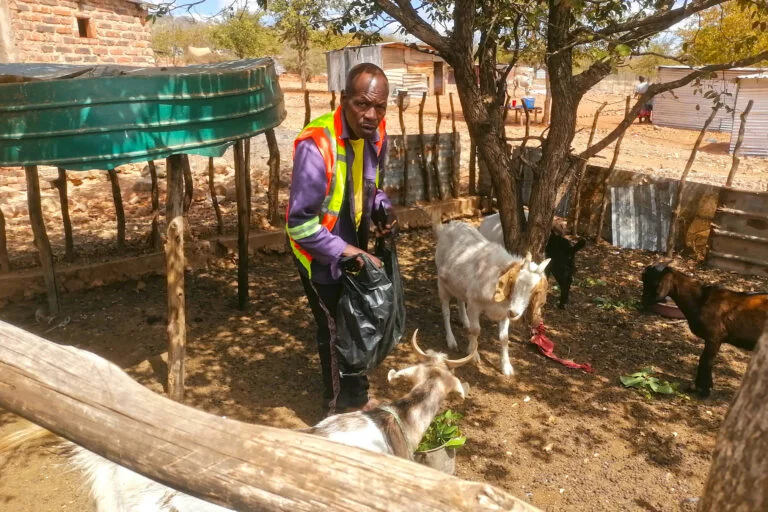
In the Malala Drift area of South Africa, the lifestyle of farmers hangs in the balance due to persistent drought and unreliable water access. These conditions are not merely local concerns; they mirror a growing crisis affecting agricultural regions across Southern Africa, where climatic shifts have increasingly disrupted farming practices. The area near Musina, located in Limpopo province, is a prime example of how environmental change can jeopardize livelihoods. Farmers are being forced to abandon their fields, unable to secure enough water to maintain their crops. The challenges are stark, and the repercussions ripple far beyond just agriculture; they affect food security, economic stability, and community well-being.The farms along the Limpopo River, which serves as a border with Zimbabwe, should constitute a fertile area due to their proximity to water. Yet, that water isn't accessible in a consistent manner. This situation highlights a disconnect between geographical advantages and practical realities. Farmers report increasingly erratic rainfall patterns over the last decade. Such unpredictability breeds despair; for many, the previously reliable rhythm of planting and harvesting has now turned into a gamble marked by financial strain. Those who refuse to abandon their fields face increasingly daunting expenses. Hiring excavation services to tap into the riverbed when water levels drop may seem like a solution, but it is also a sign of desperation.
The Harsh Reality of Farming
A recent visit to one struggling farm elucidates the extent of the crisis. Old infrastructure, once bustling with life, now lies in disarray. Tomato plant supports are scattered, irrigation pipes tangled in wild grass. This scene is not just a snapshot of neglect; it speaks volumes about the dashed hopes and efforts of the farmers who once thrived in this environment. Kanny Ndou, who now tends to the neglected property, reflects on those lost years. “We used to grow potatoes, butternut squash, and tomatoes for sale in Musina,” he recalls. It’s a bittersweet memory that underscores a painful transition from productivity to abandonment, from security to insecurity. Ndou embodies the struggle faced by many: a farmer turned caregiver for a piece of land that no longer yields what it once did.The instability of water access has done more than just reduce crop yields; it has fundamentally altered the farmers’ relationship with the land. There’s a prevailing narrative of fluctuation—one good harvest followed by a debilitating season of failure. This inconsistency is a weight that hangs over their heads, as if the weather has become an unpredictable adversary. The emotional strain accompanying this struggle is palpable; potential livelihood is at stake. For many farmers, it’s not just about crops, but about ensuring their families can eat. The dismay in Ndou's voice reflects a broader lament—in the agricultural community, despair seems to have settled in.
Wider Implications for Local Economies
As the climate crisis tightens its grip, the implications reach far beyond individual farms. The collapse of agricultural productivity threatens local economies reliant on these farming activities. The lack of consistent harvests leads to diminished local markets, fewer jobs, and increased food prices. What this means for you, if you're working in this space, is that the ramifications of reduced agricultural output can cascade through various sectors, impacting everything from transportation to retail. The loss of a staple food source not only affects farmers but simulates wider issues of food insecurity for the surrounding communities.And yet, the situation in Malala Drift serves as a critical warning. Without sustainable agricultural practices or alternative water sourcing solutions, the community’s future is as uncertain as the rainfall patterns. Resilience in agriculture requires innovation, adaptation, and perhaps a reevaluation of the agricultural methods embraced in a changing climate. Building systems that can withstand such volatility will be necessary. What was once a straightforward operation of planting, growing, and harvesting now demands a strategic approach to resource management.
Addressing these challenges won't be easy. Community-driven initiatives might help, but they need support from government policies that prioritize water conservation and assist farmers transitioning to more resilient practices. For instance, investing in rainwater harvesting systems or drought-resistant crops could provide some relief. Yet, the question remains: will there be enough political will to back these essential changes?
Future Outlook
The future is uncertain, especially for regions like Limpopo, where rainfall has become increasingly unreliable. The trends show little sign of reversing. With climate scientists warning of escalating temperatures and changing weather patterns globally, you have to wonder what's next. Farmers like Ndou are not just fighting for their livelihoods; they are at the front lines of a broader environmental challenge that could reshape agricultural practices and rural living throughout Southern Africa.As the pressures mount, so too must the responses. The need for investments in infrastructure, adaptive technologies, and community support systems is more pressing than ever. This isn't simply an isolated crisis; it’s part of a larger dialogue surrounding climate change and its impact on agriculture. Responding to this will determine not only the future of farming in the region but also the resilience of its communities. In short, the potential fallout from ignoring these issues could be dire—leaving entire communities vulnerable not just today, but for generations to come.



Discussion
Sign in to join the discussion.