In Acre, plans for new roads to enhance trade conflict with environmental pledges, raising concerns over increased deforestation in the Amazon.
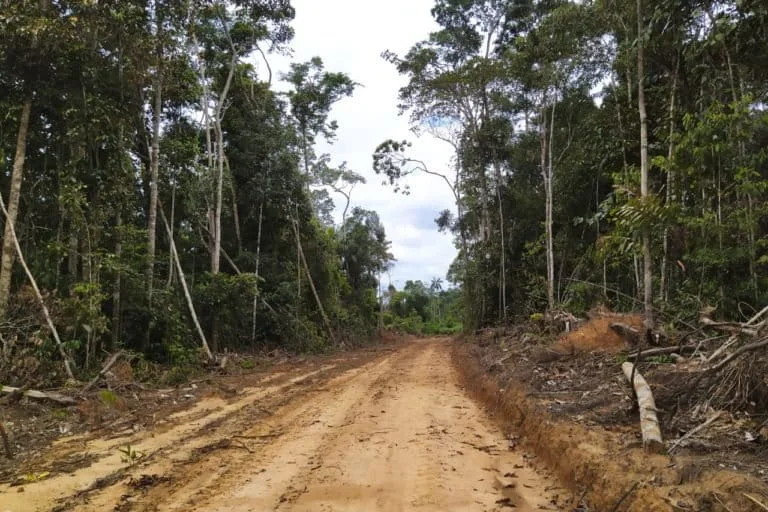
In Acre, Brazil, a newly repaved portion of the BR-317 highway unveils a stark transformation: the lush Amazon rainforest has given way to sprawling pastures, with only isolated Brazil nut trees remaining as a nod to the lost ecosystem. This highway is part of the Interoceanic Highway, established in 2011, representing the first paved route in South America linking the Atlantic and Pacific oceans. Designed to boost trade with Asia and neighboring countries, this road has inadvertently facilitated deforestation across the Brazilian and Peruvian Amazon.
A Clear Contrast: The Impact of Infrastructure on the Amazon
What just a few years ago boasted rich, biodiverse ecosystems is now characterized by wide-open fields, a testament to the destructive consequences of roads penetrating deep into the Amazon. The repaving of the BR-317 is indicative of broader infrastructure projects that have become pitfalls for conservation efforts. Historically, these ventures are touted as economic boons, aimed at enhancing trade routes and stimulating local economies, yet they often come at a significant environmental cost.
Roads often act as conduits for agriculture expansion, logging, and illegal land occupation, which can rapidly decimate untouched areas. For instance, the once-rich biodiversity of Acre is now overshadowed by human encroachment, driving species to the brink of extinction and disrupting local ecosystems. The notion that increased accessibility via roads could bring prosperity is increasingly being challenged by evidence that suggests the opposite could be true.
Experts Weigh In
Sonaira Souza da Silva, a professor at the Floresta Campus of the Federal University of Acre, emphasizes that "roads are the main vector for deforestation and irregular land occupation." Her assertion sheds light on a serious contradiction: while policymakers promote road development as a means of growth, academics and environmentalists remain wary of its implications. The barren landscape alongside the BR-317 serves as a stark warning about what could happen if upcoming plans to build an additional roadway connecting Acre with Peru are realized.
Roads like the BR-317 have historically been linked to habitat destruction and the fragmentation of wildlife corridors. It's not just about cutting down trees; it's about the long-term ramifications for biodiversity. The Amazon rainforest, often dubbed "the lungs of the planet," plays a critical role in regulating climate and supporting vast arrays of flora and fauna. If you're working in this space, the conversation around infrastructure development in the Amazon is becoming critically urgent. The trajectory of deforestation isn't just an environmental issue; it poses a significant socio-economic challenge as well.
Economic Aspirations vs. Environmental Commitments
This attempt to boost Acre's economy through infrastructure is framed as a necessary step toward greater trade involvement, especially with the anticipated opening of a mega-port in Chancay, Peru, in 2024. This port, constructed with Chinese investments, symbolizes a new era of potential for Brazil’s agricultural and mineral sectors, which are keen to tap into Pacific markets. This development is poised to make Brazil a central player in global supply chains, but at what cost?
In the pursuit of economic growth, the Brazilian government has made ambitious commitments to reduce deforestation rates — a pledge that seems at odds with infrastructure expansion. A recent report from the NGO Amazon Conservation raises serious concerns about the contradiction between these dual objectives. Estimates from the NGO suggest that new road developments could lead to the loss of between 74,700 to 133,800 hectares of forest. Such figures paint a sobering picture, revealing a trend where progress in one area could spell disaster in another.
The Bigger Picture: Societal Implications
The conflicting narratives of development versus conservation are at the heart of a broader debate regarding sustainability and resource management in Brazil. The willingness to sacrifice significant forest land for short-term economic gains could lead to irreversible ecological damage. This raises an essential question: Can Brazil find a way to balance economic progress with effective environmental stewardship?
There's a growing urgency for policies that prioritize both ecological safety and economic growth. The dichotomy present in Acre reflects wider national and global challenges: regions rich in natural resources are often caught between the pressures of economic development and the moral imperative of protecting fragile ecosystems. This project isn’t just a local issue; it’s indicative of a much larger, global struggle.
What's Next? The Road Ahead
The outcome of this ongoing infrastructure initiative could set a precedent for future projects in other fragile ecosystems. As stakeholders from various sectors weigh in on the matter, the dialogue should extend beyond “more roads equals more trade.” The environmental ramifications are profound, and they can't be sidelined in favor of short-term economic growth. The voices of ecologists, indigenous populations, and local communities must be elevated to ensure a more balanced perspective emerges in decision-making processes. What this means for you… If you’re involved in industries that rely on these trade routes, the stakes have never been higher. Being cognizant of environmental impacts and advocating for sustainable practices is essential for aligning local economies with long-term ecological health. It may be too early to cast a definitive judgment, but the warning signs are clear: cheap roadways could wreck the priceless ecosystems they touch.



Discussion
Sign in to join the discussion.