Experts indicate that climate change is likely intensifying El Niño events, potentially leading to more frequent and powerful occurrences in the future.
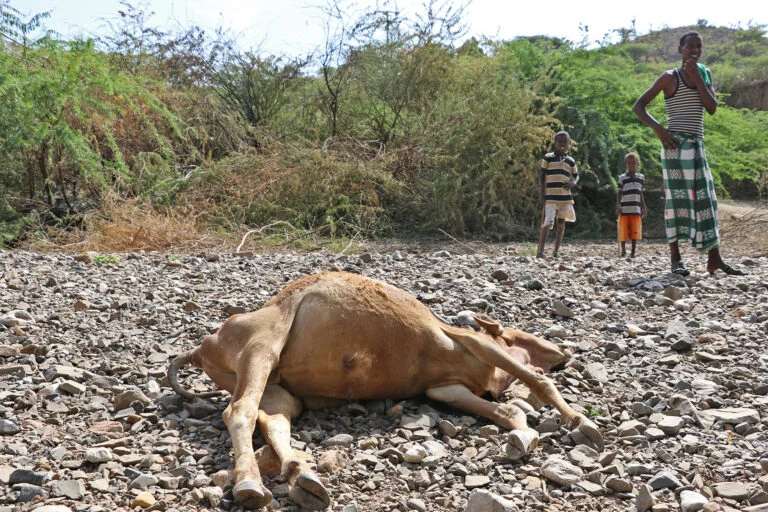
With a significant El Niño developing in the Pacific, experts are increasingly convinced that climate change is enhancing the intensity of such phenomena. Rising temperatures could contribute to the number and strength of future El Niños, according to several climate scientists. Mark Cane, a noted climate scientist from Columbia University, shared in a recent interview that the accumulation of evidence suggests climate change contributes to stronger El Niño events.
Understanding El Niño Dynamics
El Niño is more than just a weather event; it's part of a larger climate pattern that involves fluctuating ocean temperatures in the Pacific, which can have global repercussions. Traditionally, these events occur every few years, alternating with La Niña episodes, where cooler ocean temperatures prevail. That balance, however, is increasingly complicated by human activities that have altered global temperatures over the last century. Rising greenhouse gas emissions are not just warming our planet but also modifying oceanic systems in unpredictable ways. The long-standing understanding of these climate phenomena is that they are naturally occurring variations. However, if climate scientists like Cane are correct, future El Niños may manifest with greater frequency and intensity due to anthropogenic influences. The stakes here extend beyond mere weather forecasts; they include agricultural impacts, water supply issues, and biodiversity threats resulting from changing marine conditions.2026 and the Predictions Ahead
This year's El Niño is poised to break records and is predicted to reach its peak between October and December 2026. A recent pre-print study indicates that the likelihood of experiencing an event of this magnitude has increased sixfold due to climate change. Backing up Cane's claims, this finding serves as a stark reminder that our climate system is becoming more volatile, fueled by rising ocean temperatures. It's not just a matter of scientists tweaking their predictions. The infrastructure and policies that depend on predictable weather patterns also face significant upheaval. If we see an El Niño event of this caliber, we could experience widespread droughts in some areas, while others might face catastrophic floods. Forecasting has improved, but adaptation and mitigation strategies need to catch up rapidly. And here's the thing: while scientists can model these phenomena, they can't control them. Increased awareness and proactive planning are critical, but policymakers often lag behind scientific predictions.Lessons from the Past
The implications of these events are profound. Historical data, such as the devastating 1982 marine heatwave that resulted from a severe El Niño, led to the death of approximately 95% of the coral in the Galapagos, creating lasting impacts on marine ecosystems. That kind of statistic shows how deeply interconnected our environmental systems are. Disruptions in one area—like the loss of coral reefs—can ripple through global fish populations and lead to drastic changes in local economies that rely on fishing or tourism. Such catastrophic outcomes highlight the stakes involved as we confront the potential future of increasingly powerful El Niños. Species extinction, shifts in agricultural productivity, and economic instability aren't just hypothetical scenarios; they represent real threats to communities worldwide. It's a worrying prospect that requires urgent attention from scientists, policymakers, and everyone in between.The Ongoing Debate
Yet, the discussion surrounding the interplay between climate change and El Niño events remains active, particularly regarding whether this trend will persist. Enhanced forecasting capabilities mean we can predict today’s El Niños more effectively, but the looming question is how these changes will redefine our understanding of climate dynamics. For those working in this space—be it scientists, conservationists, or business leaders—the evolution of El Niño characteristics necessitates a reassessment of current models. Historically, predictions often relied on past patterns, but what happens when those patterns start to shift? Are our existing tools adequate to study such variability? As climate models are refined, researchers have a responsibility to communicate these changes effectively, ensuring that stakeholders are aware of both risks and potential adaptations. We’re reaching a point where simply monitoring these events won't suffice; instead, proactive engagement and substantive changes in policy will be essential to navigate this shifting climate.The Future Outlook
The horizon looks tricky, dotted with challenges and uncertainties. If current trends hold, we can expect more extreme phenomena, including El Niños that exceed historic norms. That’s not just a concern for scientists; it’s a growing anxiety in agriculture, fisheries, and urban planning sectors too. If you’re analyzing these shifts, the focus should be on impact management strategies rather than fostering naive optimism. Climate change isn't going away; it's become a constant factor in our natural systems, and it’s not just about taking notes anymore. We have to act—and fast. With researchers pointing to increasing risks, the onus is on governments and institutions to reassess their preparedness for these impending changes. Failure to act decisively could find us reacting to calamities rather than preventing them, which has historically proven to be far more costly and devastating.This article was originally published on Mongabay.



Discussion
Sign in to join the discussion.