Pratap Singh Chundawat, a dedicated wildlife ranger celebrated for his rescue efforts, tragically lost his life while confronting a local mining operation.
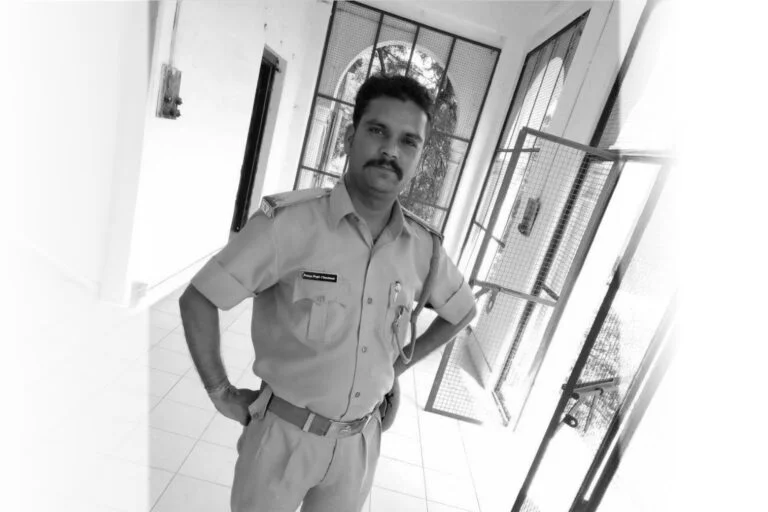
On April 9, tragedy turned to heroism in Rajasthan when farmer Rupalal discovered a leopard trapped 21 meters below in a well in Dhawadi village. Even though the immediate response from the Rajasthan Forest Department included lowering a cage to lure the leopard, the animal remained unyielding. A resolution appeared when Pratap Singh Chundawat, a seasoned ranger renowned for his wildlife rescue efforts, entered the scene. Displaying remarkable bravery, Chundawat descended into the well using a rope. He expertly tranquilized the leopard, paving the way for its safe extraction and eventual release back into its natural environment.
The Importance of Wildlife Rescue Operations
Incidents like the one in Dhawadi village highlight a growing concern regarding human-animal conflicts in rural India. As urbanization expands, wildlife habitats shrink, forcing animals into human settlements. This often leads to dangerous confrontations. Rescuers like Chundawat play a vital role in mediating these conflicts and ensuring the safety of animals and humans alike. Their work is not just about rescue; it's a delicate balancing act between conservation and community safety. Chundawat's actions exemplify what dedicated professionals are doing across regions facing similar challenges.
Unfortunately, these rescue operations are fraught with unpredictability. Despite advances in protocols for dealing with wildlife, the safety of both the animals and the rescue teams is at risk. Every rescue carries risks—both to humans and wildlife—which underscores the profession’s gravity. Without skilled individuals like Chundawat, the delicate balance often tips towards tragedy rather than resolution.
Chundawat's Legacy and Contributions
Following a thorough veterinary examination, the healthy, one-and-a-half-year-old male leopard was released back into the wild. Yet this act of heroism was far from isolated. Chundawat's commitment to wildlife rescue was nothing new; he had built a reputation for his significant efforts, extending beyond individual rescues. He was also instrumental in developing tree nurseries in the region, highlighting a holistic approach toward conservation that intertwined habitat restoration with wildlife rescue.
Days before his untimely death, Chundawat's work had been publicly recognized with an award for "outstanding contributions to forest and wildlife conservation" from the Rajasthan Environment and Energy Conservation Centre in Jaipur. Praised by Suresh Agrawal, the deputy conservator of forests in Pratapgarh, as "our best officer," Chundawat became a symbol of what committed service in wildlife conservation should look like. He breathed life into the idea that protecting the environment means protecting its inhabitants, both human and animal.
(And this is the part most people overlook) — this recognition reflects the urgent nature of conservation work today. The challenge extends beyond merely rescuing animals; it demands a collaborative effort from government bodies, NGOs, and community members to create a sustainable ecosystem where humans and wildlife coexist peacefully.
A Tragic Ending
The narrative took a tragic turn on September 22, when Chundawat was killed in an altercation with individuals believed to be part of a local soil mining operation. Struck fatally during a fast-escalating situation late at night, his life ended in violence, underscoring the inherent dangers that wildlife defenders face daily. It's a stark reminder that the fight for wildlife conservation often transcends the act of rescuing animals; it involves confronting powerful economic interests that threaten both nature and the lives of those dedicated to protecting it.
Implications and Future Outlook
Chundawat's legacy poses questions about the future of wildlife conservation efforts in India and beyond. His tragic passing has sparked discussions on the protection of wildlife rangers and the systemic challenges they face. The connection between natural resource exploitation and wildlife conservation is increasingly apparent, raising concerns about how to safeguard the work of individuals like Chundawat in an environment fraught with danger.
The significance of having trained professionals capable of engaging in wildlife rescue cannot be overstated. As human activity continues to encroach on animal habitats, the need for increased funding, training, and support for wildlife conservation programs becomes even more pressing. What this means for you is that if you're working in this space—whether as a ranger, a policy-maker, or an activist—there’s a call to action here. The loss of a hero like Chundawat may galvanize the community to strengthen conservation efforts, not just for animals, but for those who protect them.
His story serves as a poignant reminder of the risks faced by those on the frontline of wildlife conservation. Moving ahead, the community's response to this loss will be key in shaping the future of both wildlife management policies and on-the-ground conservation efforts. Advocating for better policies to protect both wildlife and the humans who serve them might just be one of the most impactful legacies we can honor in his memory.



Discussion
Sign in to join the discussion.