Tokyo's relentless rain for 35 days sets a new record, influenced by climate factors like El Niño and stalled weather fronts.
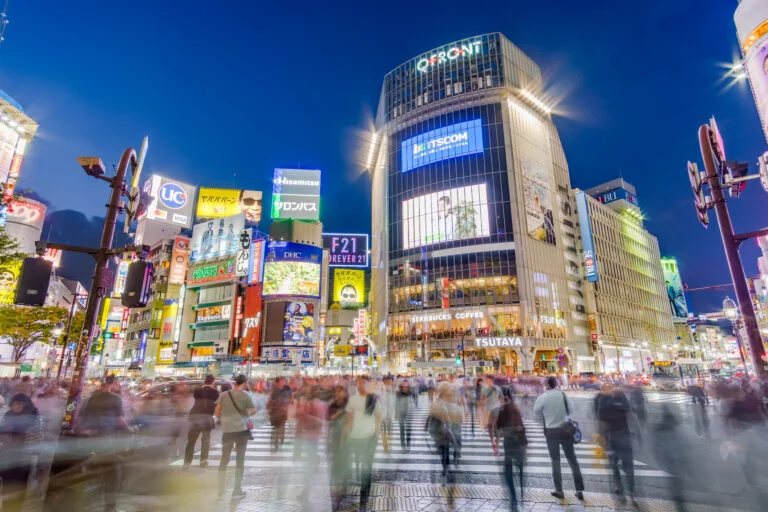
Central Tokyo has made history with a staggering 35 consecutive days of rainfall, a record-breaking streak that surpasses prior records established since 1886, according to local weather agencies. The rainy spell began on August 27 and persisted daily until September 30. This new benchmark eclipses the previous record of 33 days of continuous rain set from June 27 to July 29, 2019, as noted by the Tokyo-based news outlet Japan Today.
Understanding Tokyo's Rainfall Patterns
Typically, Tokyo’s rainiest months are June and July, which is not surprising given the region's subtropical climate. However, as evidenced by this recent weather event, September can also be quite wet. So far, central Tokyo recorded around 629 millimeters (24.8 inches) of rainfall by September 28, which is nearly three times the area's average for the month and is closing in on the September record of 670.9 mm (26.4 inches) established in 1958. This pronounced divergence from the norm raises questions about seasonal weather trends and the impact of climate change on regional patterns.
The consistency and intensity of the rainfall indicate more than just an aberration. As extreme weather conditions become more frequent globally, understanding the factors behind such shifts can provide crucial insight into future trends. You see, rainfall in the region is normally characterized by clearly defined wet and dry seasons. However, with records being shattered, it seems that the predictability of these patterns might be eroding.
Factors Contributing to the Prolonged Rainfall
The incessant rain is attributed to a combination of stationary autumn rain fronts, known as akisame-zensen, and the influence of nearby typhoons, such as Typhoon Dujuan. These factors, along with surrounding low-pressure troughs, create an environment ripe for persistent rainfall. Typhoons are a familiar phenomenon in Tokyo, yet their interaction with stationary fronts during this period appears to have intensified the effects on the city's weather. Another typhoon is anticipated to impact Tokyo as early as October 1, heightening concerns for residents already overwhelmed by the recent deluge.
This situation calls into question how urban infrastructure can cope with such unexpected weather extremes. Flooding and water management will surely be under tighter scrutiny. Japan has a lengthy history of robust disaster preparedness; however, the increasing unpredictability of rain patterns poses a challenge that could overwhelm existing systems. (And this is the part most people overlook.) While cities have made strides in disaster management, they're now faced with ever-increasing thresholds for what any infrastructure should expect. Planning for a "normal" rainy season may be an exercise in futility moving forward.
Climate Change: The Underlying Influencer
Officials from the Japan Meteorological Agency (JMA) have linked this unusual weather pattern to larger climate dynamics, including the El Niño phenomenon, which raises ocean surface temperatures in the Pacific. Masayuki Kyoda from the JMA explained that “the distinctive weather map during this month is in part because of El Niño.” He also mentioned that the prolonged autumn rain fronts owe their longevity to a persistent high-pressure system over the Pacific region. What this means for you is that individual weather events are increasingly difficult to separate from the larger context of climate change.
While linking specific weather events to climate change remains complex, primarily due to the multitude of factors at play in the Earth’s atmosphere, the ongoing situation reflects broader atmospheric shifts. This isn't just another rainy season; it symbolizes how traditional weather patterns may be morphing into something unfamiliar. This shift has implications for agriculture, disaster preparedness, and even urban planning.
Implications and Future Outlook
What lies ahead is a question on many people's minds. Will we continue to witness such extreme weather in Tokyo and similar urban locales? The answer might not be clear-cut, but if current patterns persist, metropolitan areas could have to grapple with increasingly extreme weather events as part of their new normal. Adaptation strategies will become essential as conditions erratic. This calls for urgent reevaluation of resources dedicated to weather management, urban design, and disaster preparedness.
Furthermore, if the behavior of weather fronts continues to shift dramatically, sectors like agriculture could find themselves unprepared for rapidly changing conditions, impacting food supply chains. With the implications of climate dynamics at play, businesses, city planners, and policymakers alike will need to factor in these shifting patterns more prominently in their long-term planning. There's a cascade effect happening here, and if you're working in this space, you might want to reconsider how traditional guidelines are applied amid such volatility.
Ultimately, the ongoing weather event in Tokyo serves as more than just a local anomaly; it could be a harbinger of what’s to come. As the interplay between human activity and climate continues to evolve, cities will need to adapt faster than ever before to mitigate the potential fallout of extreme weather events. If this 35-day rainfall record teaches us anything, it’s that forecasting can only go so far—it's time to act on the warning signs.



Discussion
Sign in to join the discussion.