Dog sleep positions can reveal important insights about their comfort levels and emotional state, helping owners better understand their furry companions.
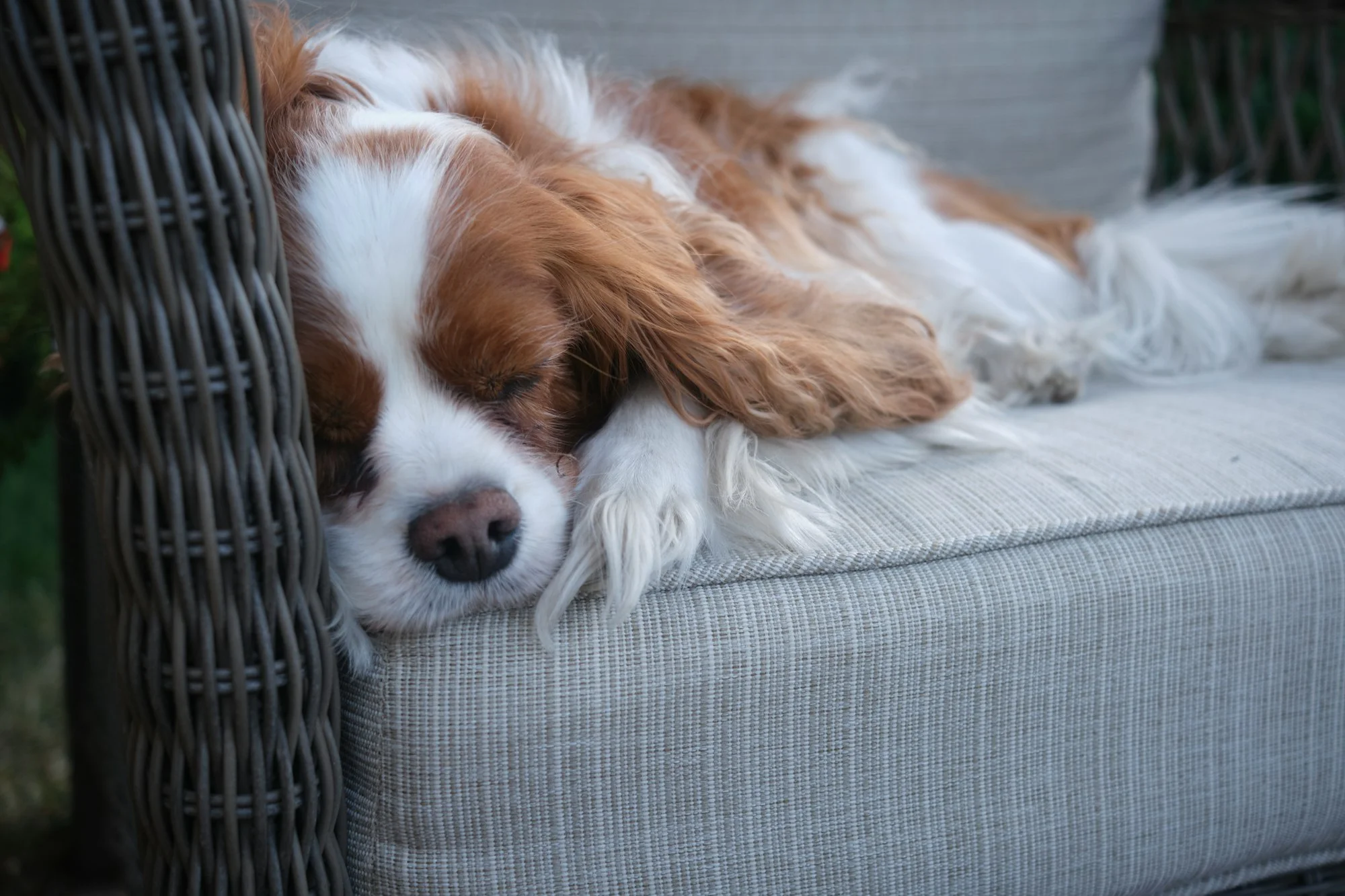

Dog owners often observe varied sleeping positions in their pets, and these postures can reflect more than just comfort; they provide insight into a dog’s emotional state and overall well-being. Let’s delve into the meanings behind some common sleeping positions and what they may indicate about your dog.
Interpreting Your Dog's Sleeping Position
Understanding a dog's sleep posture can offer clues to their mood and comfort. For instance, curled-up dogs often seek warmth and security, while those sleeping on their sides tend to be in a state of relaxation. It's essential to consider these sleeping habits in the context of your dog's health and behavior for a clearer picture of their emotional state.
Common Dog Sleeping Positions and Their Meanings
Here’s a breakdown of some typical sleeping postures and what they reveal.
Curled Up (Donut)
When dogs sleep curled up, they resemble a little ball, keeping their limbs close. This may reflect a shy or insecure temperament in unfamiliar settings. Dr. Patrik Holmboe of Cooper Pet Care suggests that while this position typically conveys a desire for warmth, it may also indicate that a dog is unwell, especially if this behavior is sudden or new.
Side Sleeper
Dogs that sleep on their sides, with their legs stretched out, signal contentment and security. Exposing their tummies reflects trust, as this area is particularly vulnerable. A dog in this posture is often completely at ease.
Superman (or Lion Pose)
Common in breeds like Pugs and French Bulldogs, this position shows dogs resting with their bellies down and limbs stretched out, almost as if preparing for flight. It indicates a state of alertness and readiness to engage while still getting rest.
Belly-Up
When a dog sleeps with its belly up and legs flopped to the sides, it suggests high comfort and a playful nature. While this position looks unconventional, it’s often a sign of contentment. However, aging dogs might avoid this pose due to discomfort in their spine.
Other notable positions include the Lion’s Pose, where dogs lay with their belly on the ground and head on their paws, and The Cuddlebug, which signifies affection as they curl up next to a person or pet.
Companionship and Sleep Positions
A dog's choice between sleeping on you, beside you, or alone can also signify their emotional needs. When a dog opts to sleep directly on you, it generally reflects love and a need for warmth. In contrast, a dog that chooses to sleep nearby but not physically touching may be asserting their preference for personal space while still feeling secure in your presence. Such dynamics were explored in a Reddit discussion, which highlighted instances where dogs show different preferences during the day versus night.
Identifying Health Concerns Through Sleep
Some sleeping positions may indicate pain or health issues, especially if there are sudden changes in behavior. Symptoms such as sleeping in unusual postures, difficulties in positioning, or visible discomfort warrant a visit to the veterinarian. It’s important to stay alert to changes in sleeping habits, which can be a dog's way of communicating distress.
Using tools like the Petcube app can be beneficial for monitoring your dog's overnight behaviors, helping to catch any concerning changes early.
Recognizing Your Dog's Needs
The various ways dogs sleep provide valuable insight into their emotional and physical well-being. While there’s a wide spectrum of sleeping habits, being attentive to sudden changes can enable you to better cater to their needs and seek veterinary advice when necessary. By understanding their sleeping patterns, you deepen the bond with your furry friend and ensure they lead a happy, healthy life.



Discussion
Sign in to join the discussion.