Recent findings reveal that ships and platforms are polluting nearly 1.6 million square kilometers of ocean each year, highlighting a significant environmental issue.
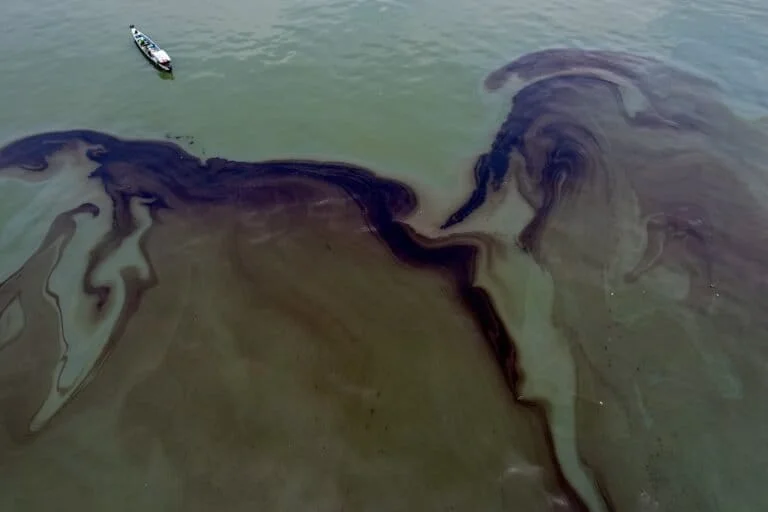
Extent of Ocean Oil Pollution
Ships and offshore oil platforms are responsible for an estimated 1.6 million square kilometers (618,000 square miles) of oil slicks on the ocean each year, an area larger than Mongolia. This alarming figure was highlighted in a report by SkyTruth, a nonprofit organization in the U.S. that harnessed satellite imagery, machine learning, and vessel tracking data to analyze global oil pollution trends between 2023 and 2025. The vastness of this pollution reflects not only a serious environmental issue but also a troubling challenge for maritime regulation and enforcement.
To put this into context, ocean oil pollution leads to significant ecological damage. Oil slicks can devastate marine life, kill fish and seabirds, and damage coastal habitats. With over 70% of the Earth's surface covered by water, the sheer area affected showcases a pattern of negligence. In more general terms, this kind of pollution often stems from both operational and illegal practices — the former being a byproduct of normal shipping operations and the latter reflecting deliberate violations of environmental regulations. Understanding the full extent of the problem is critical. Without solid data, efforts to combat pollution become misguided and insufficient.
Revealing the Hidden Threat
John Amos, CEO of SkyTruth, emphasized that such pollution had remained largely unmonitored until now. “Any vessel operator could be pretty confident that nobody was going to notice what they were doing out in the middle of the ocean,” Amos asserted during a phone interview with Mongabay. “So that’s changed. We can see it now.” This visibility is crucial for holding polluters accountable. The ability to track pollution effortlessly creates a new dynamic; caught on satellite shows, even the most remote offenders can't hide. What does this mean for regulatory authorities? They now have the evidence to enforce existing laws more stringently. Employing satellite technology to monitor adherence to environmental regulations signals a turning point. Stakeholders, from governments to environmental groups, can rally around this newfound transparency.
And here’s the thing: While the data from SkyTruth is powerful, its implications extend beyond accountability. Once companies know they’re in the spotlight, there’s a greater incentive to adopt cleaner practices and technologies. This newfound scrutiny might deter some of the more negligent actions that have historically taken place without consequence.
Sources of Pollution
The report identifies the primary source of these oil slicks as bilge waste—a blend of oil and water accumulating in the hull of ships. Tankers also contribute by washing out their cargo holds and discharging crude oil residues directly into the sea. “It’s nasty oily dirty gunk that you just want to get rid of,” Amos remarked, explaining the practice as a shortcut for vessel operators. Many of these discharges violate the MARPOL treaty, which restricts oil discharges in bilge water to no more than 15 parts per million.
This practice isn’t merely a small operational oversight but often the result of systemic issues within shipping practices. Ships can be short-staffed or under financial pressure to minimize downtime. In turn, they might resort to illegal dumping rather than sticking to environmentally sound practices. It's a troubling reflection of cost versus compliance, with quality often thrown to the winds — quite literally.
A big part of the challenge lies in the enforcement of regulations like MARPOL. With many shipping routes traversing international waters, accountability can be extremely difficult to enforce. If you're working in this space, you should be aware that local laws can vary significantly. Companies might feel pressure to maximize profits, leading to environmentally destructive decisions. This situation creates a compelling case for better monitoring technologies. As the SkyTruth report illustrates, increasing visibility into these operations could lead to a paradigm shift in accountability.
Implications for the Future
Looking ahead, the findings from the SkyTruth report should serve as a wake-up call for everyone involved in maritime industries. Greater visibility into oil pollution opens up multiple avenues for both regulatory action and corporate responsibility. It could lead companies to adopt greener technologies more swiftly, recognizing that public scrutiny is here to stay.
The implications extend to policy-making as well. Governments, relying on this type of data, can refine existing environmental policies to better address the complexities of modern maritime shipping. As pollution trends are analyzed and shared publicly, they might spur citizens and advocacy groups to put pressure on shipping companies for reform, which can be more effective than government action alone.
Yet, it’s crucial to retain a skeptical perspective. The mere presence of data doesn’t guarantee action. It requires a sustained commitment from multiple stakeholders to ensure that accountability leads to real change. And this is the part most people overlook: while technology has advanced, the political and economic will to act on these findings often lags behind.
This is where the challenge lies. If you’re paying attention to this field, it’s clear that innovative monitoring could redefine environmental stewardship in maritime operations. The stakes are high, not only for marine ecosystems but also for the companies involved. The choice is theirs: adapt or face the consequences of societal pressure and potential fines. The answer may determine both corporate reputations and ocean health for generations to come.



Discussion
Sign in to join the discussion.