A recent study reveals that probiotics can prevent coral bleaching during heat waves, highlighting a potential solution for coral conservation.
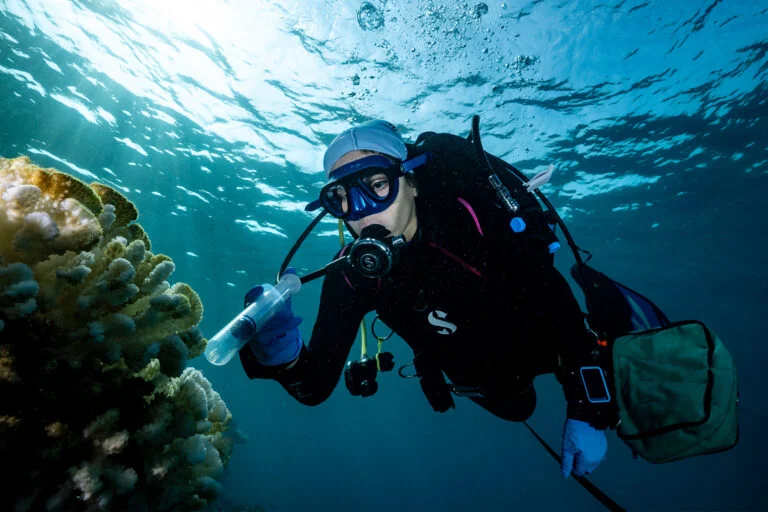
Coral Resilience Under Heat Stress
In 2022, the Red Sea experienced a significant heat wave that affected marine ecosystems, particularly corals. A fascinating observation was made 15 kilometers (9.3 miles) off the coast of Saudi Arabia: corals treated with probiotics—beneficial bacteria sourced from healthy coral specimens—showed resilience against bleaching, while untreated corals did not. This finding has emerged from research led by scientists at the King Abdullah University of Science and Technology (KAUST).
When we talk about heat stress in marine environments, it’s essential to grasp the broader implications for biodiversity. Coral reefs are not just beautiful underwater landscapes; they are critical ecosystems that serve as the backbone for marine life. The study from KAUST sheds light on a potential tool in the ongoing battle against coral bleaching—a phenomenon that has become alarmingly common due to climate change.
But here's the thing: while this research is promising, it also brings up important questions about scalability. If probiotic treatments can help corals survive, can they be applied on a large scale? What does that look like in the vastness of the ocean? These are questions that future studies will need to address.
The Importance of Coral Ecosystems
Corals play a vital role in marine habitats, supporting roughly one-third of all marine species. Alarmingly, they are facing rapid decline, with recent reports from the Global Coral Reef Monitoring Network underscoring the gravity of the situation. Rising ocean temperatures trigger coral bleaching, a detrimental breakdown of the symbiotic relationship between corals and their algae, which can ultimately lead to coral death.
This decline affects not just marine life but also human communities that rely on coral reefs for food, tourism, and coastal protection. Coral reefs protect shorelines from erosion and serve as a critical source of income through fishing and eco-tourism. However, as they become increasingly vulnerable, the economic consequences for coastal communities will likely increase, leading to livelihood challenges. In a world where around 500 million people depend directly on these ecosystems, the urgency of coral conservation cannot be overstated.
But it’s not all doom and gloom. The proactive measures outlined in recent studies, like the use of probiotics, suggest that there's still hope for these ecosystems. Research has shown that fostering biodiversity within coral populations can enhance their resilience, creating what scientists call "refugia," or safe havens where corals can thrive despite external stressors.
A Glimpse into Future Conservation Strategies
Research indicates that if global temperatures increase by 1.5°C (2.7°F) above pre-industrial levels, we could see 70-90% of coral populations facing severe risks by the year 2100. As stated by Raquel Peixoto, the study’s principal investigator, corals might possess the ability to acclimate and adapt, but this is contingent on their survival. Scientists across the globe are pursuing methods to manipulate the microbial communities associated with corals to enhance their resilience against factors like climate change and pollution.
At first glance, it’s disheartening to think about the potential loss of coral populations. They’re often described as “the canaries in the coal mine,” signaling broader environmental shifts. If current warming trends continue unchecked, we might reach a tipping point where coral reefs could vanish altogether. For those working in marine biology or conservation, these findings emphasize the need for urgent action, long-term strategies, and investment in research to develop more solutions.
The implications of manipulating microbial communities could extend beyond just corals. Similar systems typically depend on delicate ecological balances, and interfering with any component could have unforeseen consequences. It’s a tightrope walk where researchers need to tread carefully. Each step taken in this complex interplay will require meticulous planning and execution.
Probiotic Effects in Natural Environments
Previously, Peixoto demonstrated that probiotics could effectively prevent bleaching in controlled tank environments. However, the new findings, published on September 3 in Cell Reports, are significant in that they suggest these beneficial bacteria can also provide protective benefits in natural coral populations during extreme heat events. This research could signify a pivotal step in coral conservation efforts against impending climatic challenges.
The transition from lab findings to real-world applications is a significant leap—and this is the part most people overlook. Conducting experiments in tanks isolates variables in a controlled environment, but nature is far less predictable. Factors like water quality, sedimentation, and the diverse range of stressors present in the ocean can impact the efficacy of probiotic treatments.
Even so, there’s potential for these findings to transform the approach to coral conservation. Imagine a future where reefs can be “inoculated” with these beneficial microbes, improving their chances of survival during temperature spikes. But questions remain: how will these treatments be administered? And at what scale can they realistically be applied in the wild? The answers to these questions could very well dictate the future of reef conservation efforts.
Implications and Future Outlook
The urgency surrounding coral health is impossible to ignore. With climate change projections suggesting more frequent and intense marine heat waves, the scientific community appears to be at a critical juncture. The outcomes of cutting-edge research like this could shape policy decisions and conservation strategies for decades. If you're working in this space, now might be the time to amplify your efforts, as both funding and public interest could pivot based on research outcomes.
Coral reefs, once thought to be lost causes, may have a fighting chance if we can weather the scientific complexities and public apathy surrounding climate action. The use of innovative techniques, such as probiotics, highlights a blend of traditional conservation methods with modern science—a narrative that is essential for motivating broader engagement in marine conservation. If the next few years of research confirm the potential of these findings, we may be looking at a revitalization period for corals, offering a glimmer of hope in an otherwise bleak environmental forecast.



Discussion
Sign in to join the discussion.