Natural Systems Could Accelerate Climate Change Warming by 30%, New Study Reveals
Published Oct 02, 2026Reads 429By Glenn Scherer
A recent study highlights how emissions from permafrost, wetlands, freshwater, and wildfires could increase climate change effects by up to 30% by 2100.
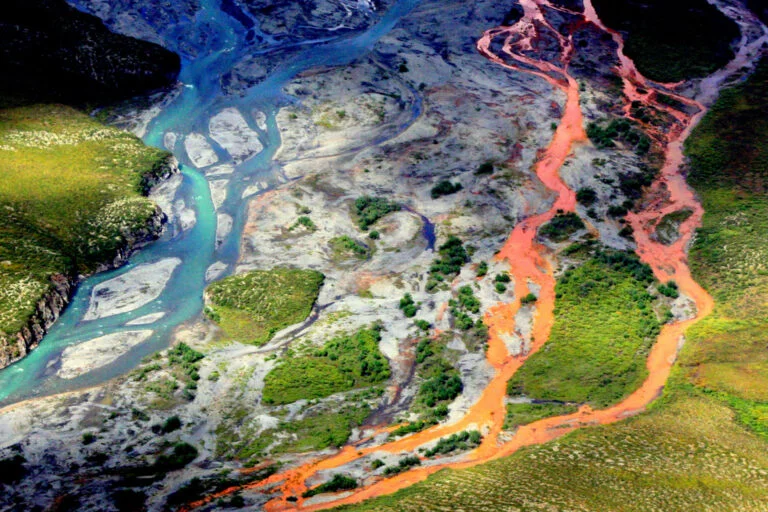
As warming continues to unearth long-frozen organic matter in the Arctic, a new study casts light on a troubling feedback loop that could exacerbate climate change. When permafrost thaws, it releases greenhouse gases like methane and carbon dioxide, accelerating global warming—a cycle that's becoming increasingly pronounced due to human activity. According to research published in the journal Environmental Research Letters, emissions from permafrost, wetlands, freshwater bodies, and wildfires could lead to an additional warming of 0.2°-0.4° Celsius (0.4°-0.7° Fahrenheit) by the year 2100. This could boost the warming attributed to human actions since 2020 by an alarming 20-30%.
The Arctic's Role in Climate Change
The Arctic is often viewed as a barometer for climate change. Its frigid landscapes and permafrost act not only as a carbon sink but as a potential source of significant greenhouse gas emissions. Historically, permafrost has trapped massive amounts of organic material, preserved for thousands of years. As global temperatures rise, this once-stable zone becomes increasingly unstable. The thawing of permafrost introduces a large reservoir of carbon and methane into the atmosphere, both potent greenhouse gases that contribute to the accelerating pace of climate change.
This fundamental shift raises questions about the Earth's natural carbon cycling. The alarming rate at which permafrost is thawing isn't just an issue for polar bears and local ecosystems; it's a critical factor in the global climate system. When considering that about 1.5 trillion tons of carbon are stored in permafrost, the stakes couldn't be higher. If chunks of this carbon escape into the atmosphere, it sets off a chain reaction that not only raises global temperatures but also alters weather patterns and increases the frequency of extreme weather events.
Understanding the Feedback Loop
The feedback loop mentioned in the study is particularly concerning because it's self-reinforcing. Thawing permafrost releases greenhouse gases, which contribute to further warming, leading to even more thawing. This cyclical trend poses a serious risk: the emissions released may represent a tipping point that could lead to runaway climate scenarios. While climate models traditionally emphasize emissions from human sources, this study underscores the urgency of integrating natural emissions from ecosystems into future assessments.
What's particularly troubling is the breakdown of natural barriers. For instance, thawing permafrost leads to the formation of new wetlands, which, while appearing benign, can create ideal conditions for methane-producing microorganisms. These microbes thrive in the warmer, anaerobic conditions of newly formed wetlands, thus releasing even more methane into the atmosphere. And don't forget the role of wildfires; warmer temperatures create a drier environment that makes wildfires more common, further releasing carbon stored in trees and soil.
The Methane Factor
Methane is an especially potent greenhouse gas—over 25 times more effective at trapping heat in the first 100 years compared to carbon dioxide. About half of the projected increase in emissions in the Arctic stems from methane release, making it a focal point of climate research. The urgency comes from the fact that methane has a much shorter atmospheric lifespan than carbon dioxide but poses a more immediate risk to global temperature rise.
Research suggests that even small increases in methane concentrations can have outsized impacts on climate. Therefore, addressing methane emissions directly is critical for effective climate action. This study highlights how human actions—through fossil fuel combustion, deforestation, and land use changes—are exacerbating natural emissions, further complicating efforts to tackle climate change. Here's the thing: while stopping fossil fuels and protecting ecosystems is essential, we can't ignore the natural systems that are being pushed to their limits.
Implications of the Findings
The findings of this research present significant implications for climate policy and environmental management. If the projected increases in emissions due to thawing permafrost and other natural systems are confirmed, policy responses must evolve accordingly. For those working in climate science or policy, the interconnectedness of human and natural emissions reveals the need for a more holistic approach to climate solutions.
A focus on mitigating human emissions alone won’t suffice anymore; understanding the interplay between nature and human activity is foundational for developing realistic climate strategies. There's a call to action here—policymakers need to integrate new insights from studies like this into climate models, evaluating not just emissions but also the interactions of various systems.
This is more significant than it looks. The doubling down on fossil fuels and disregarding natural emissions could lead us into uncharted territory. The emotional weight of this research can’t be understated—it’s about more than just numbers; it's about the future of our planet.
Future Outlook
Looking ahead, the urgency to understand and address these emerging feedback loops cannot be overstated. As climate models grow more sophisticated, they need to incorporate data on natural emissions interacting with anthropogenic sources. The measures taken in the immediate future will have long-lasting impacts, making it imperative not just to monitor emissions but to actively seek solutions that encompass both human and natural contributions.
For climate scientists, an ongoing challenge lies in communicating these risks effectively to the public and policymakers. So, if you're working in this space—whether in research, advocacy, or policy—now's the time to emphasize the interconnectedness of these issues. If we don’t adjust our focus now, the next generations may be left grappling with far more severe consequences. The stakes have never been higher, and the clock is ticking.
Discussion
Sign in to join the discussion.