Canine glaucoma is a serious eye condition that can lead to blindness. Early detection and prompt treatment are crucial for managing this painful issue.
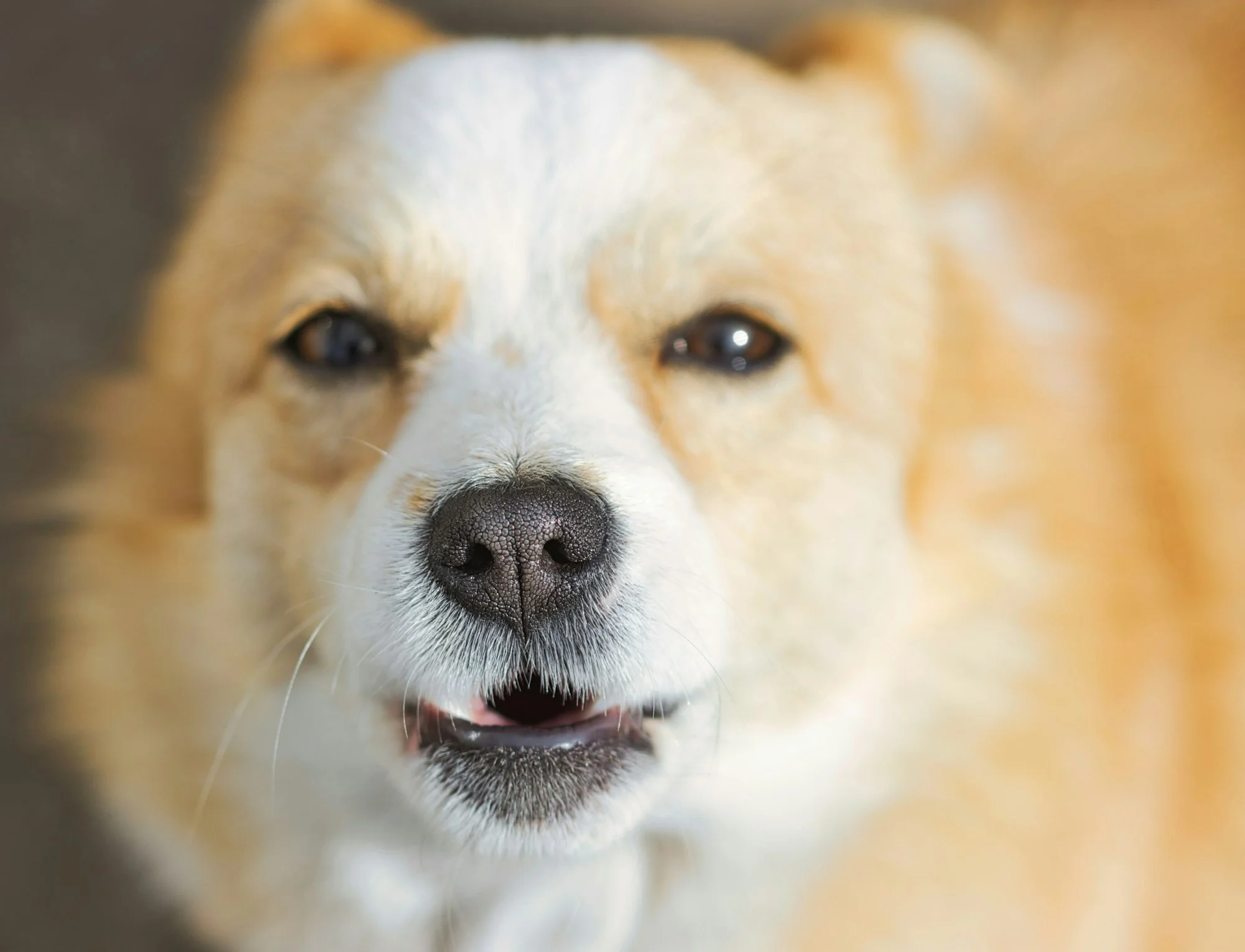

If your dog starts bumping into furniture or seems hesitant in low lighting, don't brush it off. These behaviors might indicate an underlying issue like glaucoma. This serious eye condition is characterized by increased intraocular pressure, which can lead to permanent damage if not treated promptly. In this article, we'll explore what glaucoma entails for dogs—including its symptoms, causes, treatment options, and more—so you're equipped with the knowledge to act quickly if necessary.
What Is Canine Glaucoma?
Canine glaucoma occurs when the intraocular pressure rises dangerously high. This elevated pressure threatens the optic nerve, resulting in impaired blood flow to the eye and potential loss of vision. Picture a clogged drain: as fluid accumulates, the pressure builds up and ultimately harms the delicate structures within the eye. Such damage can happen relatively quickly, emphasizing the importance of early detection.
“A ‘sink’ analogy where a drain is clogged works well to describe what is happening with glaucoma”
— Dr. Mark Bobofchak
Causes of Canine Glaucoma
The main driver behind glaucoma in dogs often lies in the improper drainage of aqueous humor, the fluid that keeps the eye nourished and lubricated. When this drainage system fails, pressure builds up, which can lead to harm. The condition typifies two primary categories: primary and secondary glaucoma.
Primary vs. Secondary Glaucoma
Primary glaucoma is usually hereditary. Certain breeds, including Cocker Spaniels, Bull Mastiffs, and Beagles, are more susceptible due to their anatomical structures. Cocker Spaniels, in particular, have been highlighted in multiple studies as notably vulnerable to this condition, which should raise awareness among dog owners of these breeds.
In contrast, secondary glaucoma arises from external factors such as injury, inflammation, or medications that elevate intraocular pressure. The causes for this type are varied and can include:
- Lens luxation: When the lens is displaced, disrupting normal drainage and increasing pressure.
- Vascular diseases, which impede blood circulation to the eye.
- Traumatic injuries that physically damage internal structures.
- Uveitis, an inflammation that can alter eye pressure dynamics.
- Post-surgical complications from procedures like cataract removal.
Symptoms: Early vs. Advanced Glaucoma
Recognizing the early signs of glaucoma can be tricky. Subtle changes in a dog’s behavior—like bumping into walls or hesitating in low-light conditions—might go unnoticed. However, a keen owner will observe that these habits can signal the onset of glaucoma. As the condition progresses, the symptoms become more conspicuous; ignoring these signs can lead to dire consequences. Here are the advanced signs to watch for:
- Redness, tearing, or swelling surrounding the eyes
- Squinting or excessive blinking
- Cloudy appearance in the eyes
- Frequent collisions with objects
- Difficulty with stairs
- Constantly closed eyes
- Obvious signs of blindness
- Whining or vocal distress
- Reduced activity levels
- Loss of appetite
Differences between Glaucoma and Cataracts
While glaucoma and cataracts are both eye problems, they differ significantly in their nature and consequences. Glaucoma is primarily a pressure-related issue, often leading to excruciating pain and potential blindness. On the other hand, cataracts involve the clouding of the lens, usually resulting in vision degradation rather than pain. Clinical appearance also varies: glaucoma may cause bulging and reddening of the eye, while cataracts appear as a milky film over the lens.
Treating and Managing Glaucoma in Dogs
Treatment for canine glaucoma centers around pain relief and curtailing the progression of vision loss. Often, it begins with medications such as eye drops aimed at reducing inflammation and fluid levels in the eye. In more severe cases, surgical options may be necessary—these can range from laser treatments to drainage implants. In extreme scenarios, when chronic pain becomes unbearable, the only recourse left may be enucleation, or the removal of the eye. This is more significant than it looks; it underscores just how critical quick action is when dealing with glaucoma.
“50% of dogs with glaucoma will go completely blind within a year“
— Reddit User
On a more hopeful note, ongoing management can sometimes involve regular vet visits and the use of advanced monitoring tools like the Petcube App. This app can track your dog's recovery journey, collecting valuable data and enabling proactive monitoring of symptoms.
Prognosis and Prevention of Canine Glaucoma
Unfortunately, the prognosis for dogs diagnosed with glaucoma often leans towards vision loss; even after treatment, many dogs face significant challenges. The condition is largely untreatable, especially when genetic predispositions play a role. That said, some forms of secondary glaucoma can be mitigated if identified quickly. Such timely interventions may provide a glimmer of hope.
Implications and Future Outlook
The implications of canine glaucoma extend beyond immediate health concerns for dogs. For pet owners, the psychological burden of watching their furry friends suffer from a painful condition is heavy. Increasing awareness and education about early signs are vital, not just in improving treatment outcomes but also in fostering a proactive approach to veterinary care. If you're working in this space, making sure that pet owners know what to look for can lead to timely interventions.
Research into better treatments and potential cures continues, but the road ahead remains long. As veterinary practices integrate more technology—like telemedicine and monitoring apps—the hope is for improved outcomes and more manageable living conditions for affected dogs and their owners.
Final Thoughts
Paying close attention to your dog’s behavior can mean the difference between preserving eyesight and facing severe consequences. Should you observe any signs of glaucoma, ignoring them isn’t an option; prompt veterinary intervention can save your dog from unnecessary pain and suffering.



Discussion
Sign in to join the discussion.