Colombia's new government backs fracking to boost gas supplies, sparking tensions between energy security and environmental concerns.
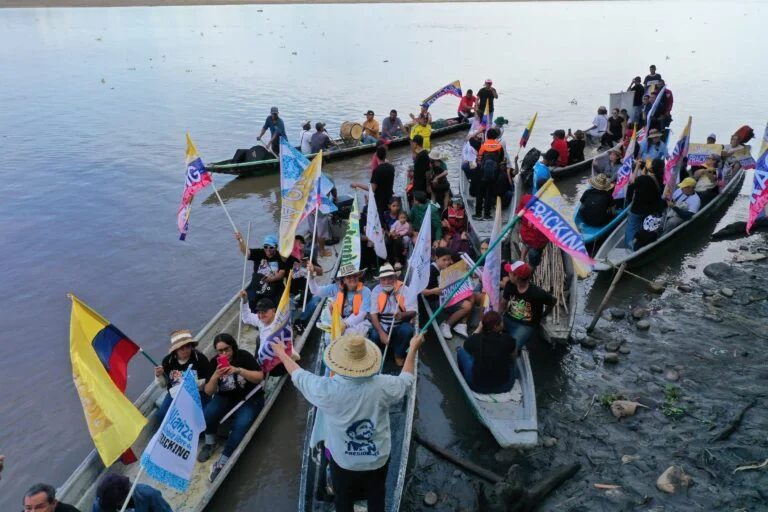
PUERTO WILCHES, Santander – Nestled along Colombia's largest river, Puerto Wilches has transformed into a battleground in the country's energy debate amid its rich wetlands and floodplain lakes. The municipality’s picturesque landscapes, where families enjoy riverside recreation and fishermen continue their morning rituals, now coexist with serious discussions about energy strategy.
The Context of Energy in Colombia
The energy debate in Colombia isn't new; it's rooted in years of fluctuating political priorities and the country's unique geological advantages and challenges. With increasing global demand for energy, nations like Colombia are caught between the necessity of energy security and the urgent need to transition to sustainable practices. Colombia's dependence on hydroelectric power has historically dominated its energy landscape, but this reliance becomes problematic amid climate change and severe weather patterns that threaten water levels in dams.
In recent years, the threats posed by fluctuating global markets and the constraints of domestic resource availability have underscored the urgency of diversifying energy sources. As climate goals become more pressing, the often contentious issue of fossil fuel extraction remains a focal point of national policy discussions. Puerto Wilches, with its wealth of natural resources, has become a symbol of this struggle, representing both the potential for economic growth and the very real risk of environmental degradation.
Fracking in Puerto Wilches: A Mixed Reception
Since 2018, Puerto Wilches has been at the forefront of Colombia's efforts to balance energy security and environmental sustainability. In 2021, it was chosen for two pilot projects aimed at evaluating the viability of fracking, a technique for extracting oil and gas from shale formations. This choice reflects a broader trend in nations seeking to tap into previously inaccessible reserves as conventional fossil fuels begin to dwindle. However, these projects faced a significant setback when former President Gustavo Petro halted them. His administration, characterized by a strong environmental focus, underscored a broader shift toward reducing the country's reliance on fossil fuels.
The suspension of fracking trials by Petro was emblematic of a transformative agenda prioritizing renewable energy sources. This decision faced pushback from various sectors concerned about energy shortages and economic stability. But the environmental implications were significant: many experts argue that fracking's potential harm to both local communities and ecosystems simply cannot be overlooked.
A Shift in Government Attitude
However, the new government, led by right-wing populist Abelardo de la Espriella, is signaling a shift in this narrative. De la Espriella has made clear his intention to "fully open the door to fracking" as a strategic move to enhance Colombia's gas supply. This pivot isn't just a local affair; it's indicative of a wider ideological shift within the government that favors traditional energy sources as solutions to contemporary energy woes. The National Hydrocarbons Agency (ANH) has issued stark warnings about the current state of the nation's gas reserves, which are projected to last only 5.9 years at existing production levels without new discoveries.
This impending "gas crisis" isn't just a statistic. It’s a looming reality causing ripples across Colombian society—from energy producers pushing for increased exploration to consumers worried about future energy prices. De la Espriella's administration, by promoting fracking, is painting itself as the solution to these fears. Skeptics, though, are quick to point out the inherent contradictions in seeking immediate energy solutions through methods that may ultimately lead to environmental compromise.
The Debate Over Fracking Pros and Cons
Supporters of fracking, including De la Espriella, argue it’s crucial for stabilizing the nation's energy future. They claim fracking can unlock vast reserves of gas, reducing reliance on imports and fostering economic growth. Colleagues of the administration insist that revenues generated from these projects could fund vital public services and infrastructure improvements.
And yet, the environmental community raises serious concerns about the potential risks fracking poses to local communities and ecosystems. Water contamination, air pollution, and increased seismic activity are well-documented issues associated with fracking operations worldwide. The stakes are high for regions like Puerto Wilches, where life revolves around the environment. Activists warn that the region cannot afford to sacrifice its natural beauty and biodiversity for the sake of energy security, particularly when the global community is rallying around cleaner alternatives.
Implications and Future Outlook
What this means for you if you're working in this space is multifaceted. The pivot towards fracking in Colombia may provide immediate economic benefits, but it carries with it long-term risks that must be carefully managed. Engaging in fracking might be framed as a pathway to energy independence, but it also raises important ethical questions about resource management and environmental protection.
This evolving scenario will likely spark heated debates at both local and international levels, where trade-offs between economic imperatives and environmental responsibilities are on display. As Colombia juggles these choices, the outcome will fundamentally shape the nation’s energy strategy and its position in the global energy market. The conflicting interests of economic growth and environmental sustainability remain at odds, and the resolution to this tension will define Puerto Wilches and Colombia's energy future. The local perception will be essential; communities’ acceptance of fracking initiatives could dictate their success or the degree of resistance faced by the government.
Ultimately, the experience of Puerto Wilches might serve as a microcosm for larger discussions about energy policy reform, not only in Colombia but across many countries grappling with similar dilemmas.



Discussion
Sign in to join the discussion.