Over half of the assessed wild tulip species are at risk of extinction, primarily in Central Asia, due to climate change and human activities.
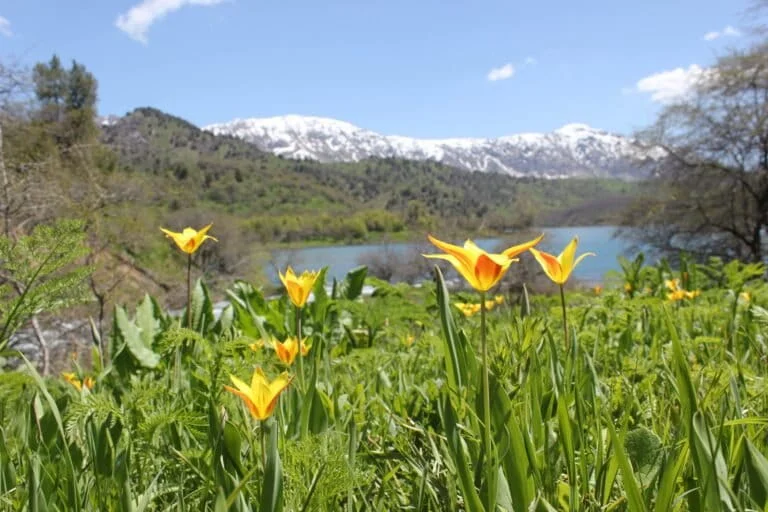
Recent assessments reveal that more than half of the world's wild tulip species are under threat of extinction, according to a report by Mongabay's Shreya Dasgupta. Brett Wilson, co-founder of the Wild Tulip Specialist Group at IUCN, expressed surprise at the precarious status of these famed flowers, noting a stark reality in their diminishing populations.
Out of 62 wild tulip species evaluated by the IUCN Red List, 32 are now classified as threatened. A significant majority, with 53 species residing in Central Asia, highlights this region as the richest in tulip diversity. Among these, five are critically endangered, seven are endangered, 15 are vulnerable, and 14 are near threatened.
The Tulip's Cultural and Ecological Importance
Tulips have long been cherished not just for their aesthetic appeal but also for their ecological significance. These flowers are key players in their ecosystems, providing food for various pollinators. Without them, the balance of these ecosystems could be disrupted, leading to a decline in other flora and fauna that depend on tulips and their habitat. In regions where they flourish, tulips have become integral to local culture and identity, especially in Central Asia where they signify the arrival of spring. How many people realize this emotional connection to tulips goes beyond their visual beauty?
Key Threats to Tulip Populations
The biggest threats to these wild tulips are livestock overgrazing and climate change. As dormancy allows tulips to thrive in harsh conditions, the grazing of livestock poses a real danger, as they can trample the bulbs or consume flowers before they can produce seeds. Wilson pointed out that a warming climate is pushing mountain species to higher altitudes, where they face limited options for survival, exacerbated by unpredictable weather patterns that can lead to landslides and floods. This shift is alarming; not only does it threaten the tulips directly, but it compounds existing pressures from human development and environmental degradation.
Additional Risks from Human Activity
Other human impacts such as mining, infrastructure development, and the overharvesting of wild tulip bulbs are also significant threats. The most affected species often include the large, visually striking red-flowered varieties found near human settlements. For instance, Tulipa fosteriana in Uzbekistan has become a classic example of a species vulnerable to overcollection. This vulnerability is concerning because these varieties tend to attract both casual collectors and commercial enterprises, which can quickly lead to unsustainable practices. Conservationists estimate that such practices could decimate populations in a very short time frame. If you think about how often these flowers appear in markets and ornamental displays, this issue becomes even more pressing.
The Path to Conservation
The rising threat to wild tulip populations calls for immediate conservation action. Organizations like the IUCN and various local NGOs are working hard to raise awareness about the significance of protecting these species. However, without broad support from governments and communities, efforts can fall short. It's crucial for policymakers to recognize the value of biodiversity, not just for its aesthetic and cultural contributions, but also for its role in maintaining ecosystem integrity. Education campaigns targeting local farmers, encouraging sustainable grazing practices, could yield beneficial results. Let's face it: a little awareness can go a long way.
Implications and Future Outlook
The situation facing wild tulips paints a troubling picture of the challenges biodiversity faces in the context of climate change and human activity. What this means for you, especially if you're working in environmental conservation or agricultural development, is clear: we need to act swiftly and strategically. The loss of these species has implications that expand far beyond lost beauty; it affects ecosystems, economies, and even local cultures. The pressure on these flowers serves as a bellwether for broader environmental health, indicating how well—or poorly—we're managing our natural resources.
As global actions against climate change intensify, there’s hope for wild tulips. Conservation initiatives that involve local communities in preserving these unique species could lead to better outcomes. If presented creatively, the protection of tulips might inspire a renewed appreciation for local biodiversity among both residents and visitors alike. And in an age of rapid change, this is more significant than it looks.



Discussion
Sign in to join the discussion.