A dedicated team of women is working to reintroduce Darwin's rheas to Chile's Patagonia, facing numerous challenges in this vital conservation effort.
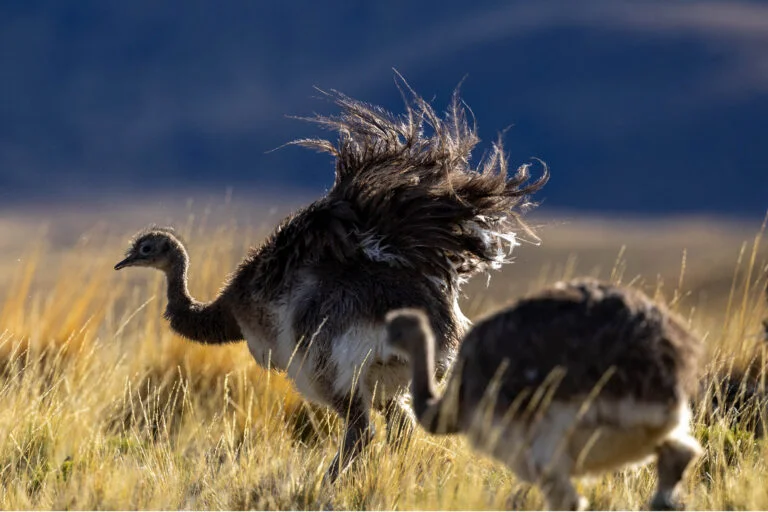
PATAGONIA NATIONAL PARK — Chile. A women-led initiative aims to return 13 Darwin’s rheas to their natural habitat in Chile’s Patagonia National Park by April 2026. This project is more than just a simple act of rewilding; it addresses several intertwined ecological and social factors as well. Collaborating with the Rewilding Chile Foundation, these passionate rangers commit to the birds’ well-being, navigating tough weather conditions, threats from predators like pumas, and challenges posed by illegal livestock grazing in the delicate ecosystem.
The Role of Women in Conservation
Women are often underrepresented in conservation efforts, yet initiatives like this highlight their vital role. This endeavor showcases the leadership and passion required to tackle environmental issues, which are increasingly urgent in our changing climate. By placing women at the forefront, the project not only empowers them but also draws attention to a more inclusive approach to conservation. You'll see that empowering local communities can empower conservation, too. The impact of this leadership could ripple through local ecosystems and communities, inspiring more inclusive projects in the future.
Historical Context: Chacabuco Valley
The history of the Chacabuco Valley is a cautionary tale of ecological degradation. Historically, this area has been dominated by sheep and cattle ranching, resulting in significant habitat loss. As a result, species such as the Darwin's rhea have faced critical population declines—their numbers dwindling dangerously close to extinction. The rewilding initiative represents not just a chance to restore a species but also a moment to rectify historical mistakes made in the region. The efforts led by Tompkins Conservation, which encompass repurposing former ranchlands and dismantling extensive fencing that has long divided the Patagonian steppes, form a crucial foundation for this project. Doing so helps reconnect fragmented ecosystems, allowing native species, including the rheas, to thrive again.
Challenges and Obstacles
As the team gears up for the release of the rheas, they're grappling with various obstacles. Navigating tough weather conditions is only one part of the struggle. The rugged terrain of Patagonia can be unforgiving, especially for a species that once roamed freely in vast open lands. Predators like pumas pose a real threat during the reintroduction phase, where the rheas will be learning to navigate their environment. That said, training these birds for survival plays a pivotal role in preparing them for the wild. And yet, illegal livestock grazing complicates their efforts. This practice not only endangers the rheas but also disrupts the fragile ecological balance. Implementing protective measures and raising awareness about sustainable grazing practices is crucial for long-term success. It becomes a community effort to engage local farmers and ranchers—getting them involved in the rewilding process can help safeguard both livestock and wildlife.
Environmental and Social Significance
The implications of this initiative extend beyond the specific case of the Darwin’s rheas. The ecological restoration of the Chacabuco Valley is an intricate part of a larger narrative about humanity's relationship with nature. By focusing on species reintroduction, the initiative also touches upon broader environmental themes. Habitat restoration efforts like these may help mitigate climate change effects while fostering biodiversity. On the social side, the project aims at creating sustainable interactions between local communities and wildlife. If you’re working in this space, you'll recognize how critical it is to involve local stakeholders in any conservation initiative. Drawing in community support is key to creating a shared understanding of the region's ecological significance. Not only does this preserve heritage, but it also fosters a collaborative approach to sustainability.
Future Outlook
As we anticipate the release of the rheas in 2026, the success of this initiative may set a precedent for future rewilding projects in other parts of the globe. The conditions and strategies developed here could serve as a model for how to reintroduce species humanely and sustainably. Meanwhile, the efforts being made highlight the need for more such projects aimed at restoring natural ecosystems. You'll find that the implications of this initiative—cultural, environmental, and social—hold significant promise for biodiversity conservation. What this means for you is that the combination of ecological restoration and community engagement has lasting potential. This collaboration could transform not just the landscape of Patagonia but also how we think about conservation. If successful, it may inspire similar efforts elsewhere, driving the conversation toward a more inclusive and holistic model of environmental stewardship.
Viewers can witness their preparations and the team’s resolve to make a difference in the upcoming release through the accompanying video. This visual story will showcase not only the challenges but also the victories and evolving relationship between humanity and the natural world.
If you have topics or local stories you'd like to see highlighted, your feedback is welcome—join the conversation and help shape future reporting.
Banner image: Darwin’s rheas. ©Romi Castagnino. This article was originally published on Mongabay
Discussion
Sign in to join the discussion.