Ranchers in Pará state are obstructing government efforts to demarcate Indigenous territory, putting critical rights at risk for the Juruna people.
Context Overview
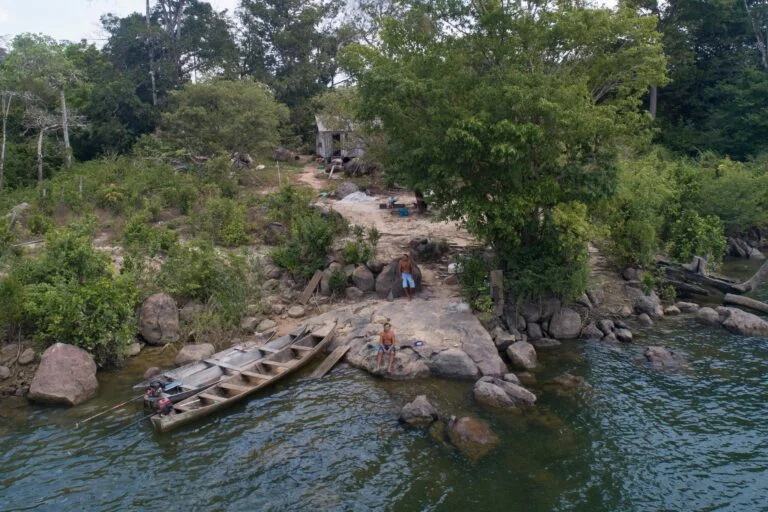
The ongoing conflict in Brazil's Pará state is indicative of larger issues surrounding land rights and Indigenous sovereignty. Since September 23, local ranchers have taken drastic steps by blocking access to the Paquiçamba Indigenous Land. This activism isn't merely for local agricultural interests; it has political backing, raising serious questions about the intersection of economics, politics, and Indigenous rights in Brazil. The Volta Grande do Xingu region, where this clash is happening, is known for its rich biodiversity and also for being home to the Juruna (Yudjá) Indigenous community, who have remained resilient in the face of external pressures.
Political Backing and Economic Interests
What's notable here is the active support these ranchers are receiving from local politicians. This isn't just a grassroots movement — it’s a calculated effort to disrupt the formal recognition of Indigenous land claims. Economically, the stakes are high for these ranchers as the region’s agricultural development often takes precedence over Indigenous land rights. These tensions underscore a broader trend in Brazil, where agricultural expansion frequently trumps environmental and Indigenous considerations. The question arises: who benefits when local economies prioritize farming over the ancestral claims of Indigenous communities?
Importance of Land Demarcation
For the Juruna community, gaining official land demarcation is more than a bureaucratic formality; it’s an essential step toward securing their rights. Formal registration of Indigenous lands in Brazil is critical not only for legal recognition but also for the protection of these territories from encroachment. The role of the Indigenous Affairs Agency (Funai) cannot be understated in this context. They are charged with facilitating the demarcation process, which involves a series of complex steps such as georeferencing, boundary marker placements, and signage installations to affirm the community's presence and claim over the land.
This situation is exacerbated by the presence of the Belo Monte hydroelectric project, a massive development that significantly impacted local environments and communities. The project's approval process required federal land demarcation as part of its environmental licensing. This leads to a paradox: while governments promote such projects for economic development, they simultaneously undermine the rights of Indigenous peoples who have historically occupied these lands.
Legal and Tactical Responses
In response to these blockades, Funai is seeking legal pathways to access the area and continue their essential work. This represents an institutional effort to negotiate with local authorities and ranchers while adhering to the legal framework of land rights. However, the success of such measures remains uncertain; the tensions on the ground are palpable. A Funai representative explicitly stated that the blockades have hindered their ability to complete demarcation work, highlighting the logistical and operational challenges faced in mounting a legal response.
Legal strategies in such contexts often involve litigation, public awareness campaigns, or gaining international attention to apply pressure on local and federal governments. Yet, time is of the essence. Each day the boundary work is delayed puts the Juruna people's rights at risk, complicating their future prospects and ability to sustain their culture.
Escalating Tensions and Clashes
The situation has reached a boiling point, marked by clashes between the ranchers and federal agents, despite the intervention by the National Public Security Force. These altercations underline a worrying trend: peaceful protest strategies are increasingly met with aggression. Activist Ya Juruna’s comments highlight the emotional and psychological strain on the Indigenous community, as they fight not just for land but for their identity and heritage. This aspect often goes unnoticed in broader societal discussions surrounding land use and ownership rights.
Both sides of the conflict seem entrenched, leading to a stalemate that could spiral into more severe confrontations. If you're working in this space, you’ll recognize that these conflicts often hinge on the perception of legitimacy. On one hand, the ranchers claim an economic right to the land. On the other, the Juruna community asserts a historical and moral claim, rooted deeply in their cultural identity.
Broader Implications
What this scenario highlights is a larger societal issue—how land is valued and who gets to make decisions about its use. Tensions between agricultural interests and Indigenous rights are not isolated to Brazil; similar skirmishes occur in various countries where land is viewed as a commodity rather than a shared resource. These kinds of clashes frequently reveal not just local dynamics, but also national and even international stakes. The outcome in Pará could set precedents regarding how Indigenous rights are upheld or undermined in Brazil and beyond.
Future Outlook and Consequences
As the conflict unfolds, several paths are possible. If the blockade continues, it jeopardizes the legal recognition process for the Juruna people, potentially allowing further encroachment on their lands. Conversely, a breakthrough in negotiations or legal avenues could lead to greater protections and possibly a revitalization of Indigenous activism across Brazil. The national government’s position will be crucial; its willingness to uphold Indigenous rights in the face of political and economic pressure will be tested.
Ultimately, this conflict is more than just a local land dispute. It’s a reflection of a society grappling with competing interests—economic growth versus social justice, the rights of the few against the welfare of the many. It’s a narrative that has played out in various forms globally, yet it’s particularly poignant in a nation rich in cultural diversity and natural resources.



Discussion
Sign in to join the discussion.