Ecuadorian youth are using rap music to voice their struggles and advocate for the preservation of the Amazon rainforest.
Amplifying Voices Through Rap
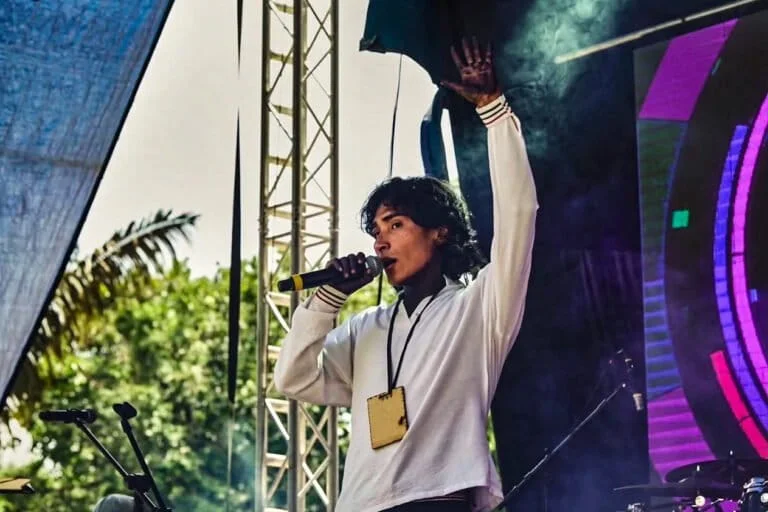
Willan Gualinga, hailing from the Sarayaku community nestled in Ecuador’s Amazon rainforest, recently made a striking transition from nervous newcomer to confident performer. His first encounter with the stage was a blend of exhilaration and anxiety, but that was just the beginning. Fast forward three years, and you'll find Gualinga captivating a much larger audience at the Rizoma 2026 Festival in Puyo, Ecuador. This wasn’t just another local gathering; he faced thousands of attendees, passionately delivering his song in the Indigenous Kichwa language.
What makes Gualinga's journey particularly significant is his powerful refrain: “Allpamanda kawsay manda jatarishun.” In English, this translates to “Let us rise up for the land and for life,” which goes beyond a mere lyrical expression. It embodies a larger commitment to environmental activism and the protection of Indigenous rights. The choice of language itself is impactful. The Kichwa language is more than just a means of communication; it's a vessel for cultural identity, history, and a collective call to protect ancestral lands. In a world where Indigenous voices often struggle to be heard, Gualinga's performance illuminated the urgent need for advocacy.
Music as a Form of Resistance
Gualinga's track is reflective of a broader trend wherein music becomes a vital instrument for resistance. It highlights pressing challenges faced by the Sarayaku community, challenges that are not isolated but resonate across various Indigenous cultures in the Amazon. As Gualinga, who goes by the artist name “Taki Supay,” explains, the wisdom of his ancestors isn't just folklore; it’s a roadmap for survival in a landscape threatened by environmental degradation. This isn’t merely about music; it's about preserving a way of life.
Gualinga isn’t an isolated voice. A burgeoning wave of Indigenous artists in the Amazon is embracing rap as an impactful vehicle for advocacy. This transition of musical genres speaks volumes. Rap, often dismissed in more mainstream avenues as merely entertainment, is being repurposed as a platform for education and consciousness-raising. The urgency of their messages often parallels the escalating threats to the rainforest itself: deforestation, oil extraction, and climate change are all at the forefront. Music becomes the heartbeat of a movement, combining lyrical power with cultural narrative.
Fighting for Cultural Preservation
The need for such a platform is echoed by fellow artist Misael Elías Criollo Grefa, who identifies as Misa17. He articulates the raw essence of rap: “Rap is talking about what you feel, what is happening, and our struggle.” His perspective is vital in understanding how this genre can serve as a vehicle for cultural preservation alongside environmental advocacy. Here’s the thing: combining personal narratives with collective struggles, rappers like Misa17 create an authentic representation of their communities, thus generating deeper connections with listeners, both locally and internationally.
This new generation of artists is not just reserving their talents for entertainment; they’re mobilizing their communities using the universal language of rhythm and rhyme. The act of performing rap becomes a communal gathering, a moment of resilience. While many perceive rap as an urban phenomenon, it’s crucial to recognize its adaptability. It can transcend geographical and cultural boundaries, resonating with those who share similar experiences, from urban centers to rural sanctuaries like the Amazon.
And yet, the road ahead isn't entirely smooth. The challenges facing Indigenous communities are significant. The complex relationship between cultural expression and environmental activism often demands navigating external perceptions and internal community dynamics. For many of these artists, what seems like just music can ripple through their communities, sparking conversations about land rights, identity, and resilience against colonial and capitalist forces.
The Implications of Rap in Indigenous Activism
This growing trend is significant for multiple reasons. First, it shifts the narrative around Indigenous identity and expression. For too long, Indigenous stories have been relegated to the margins; now they are taking center stage through powerful mediums like rap. In a way, this cultural resurgence lays claim to cultural autonomy—an insistence on being seen and heard.
You might ask: what does this mean for you, the reader? If you're working in this space, whether in advocacy, journalism, or even academia, understanding the intersection of music and activism is increasingly important. These artists illustrate how creativity can ignite social change. Their messages resonate because they aren't just about fighting against something but also about celebrating culture, identity, and the environment.
As we look to the future, the role of Indigenous artists in bringing attention to environmental issues could expand further. More platforms are emerging that seek to elevate these voices, allowing their messages to resonate on a global scale. This momentum could even foster collaborations across different artistic disciplines, combining visual art, poetry, and storytelling to deepen the impact.
In a realm where traditional forms of advocacy can sometimes miss the mark, rap offers a fresh and deeply immersive approach. It reminds us that while challenges are plentiful, the means to fight back creatively are equally powerful and transformative.

Discussion
Sign in to join the discussion.