Kavantissa, Sri Lanka’s tallest living tusker, is healing from a gunshot wound, highlighting ongoing human-elephant conflict in the region.
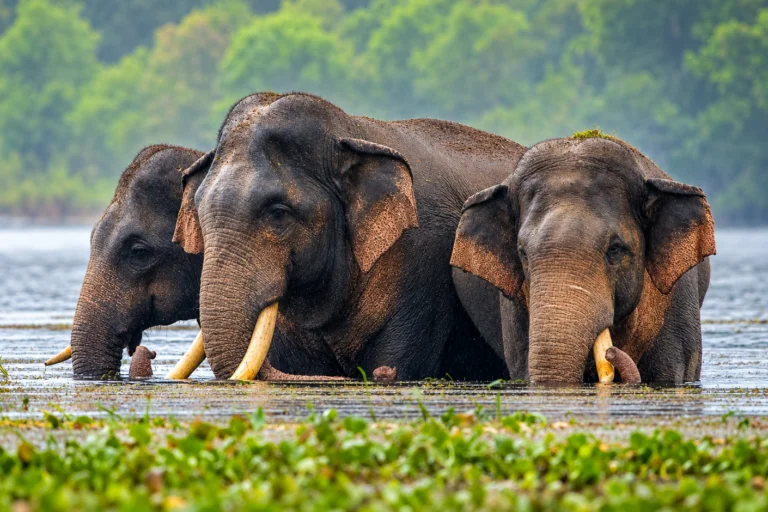
Wildlife enthusiast Pathum Bandara recently encountered Kavantissa, thought to be Sri Lanka’s tallest living tusker, gracefully navigating the arid landscapes of the northwestern dry zone near Galgamuwa on September 20. To his dismay, Bandara noticed the following day that the tusker was limping. A closer inspection revealed a serious gunshot wound on Kavantissa's right foreleg, just above the knee. This alarming discovery raised concerns about the potential for severe infection, which could drastically affect the elephant's mobility and ability to sustain itself.
The Condition of Kavantissa
The signs of trauma on Kavantissa were unmistakable. Elephants, despite their size, are incredibly vulnerable to human-induced injuries. In Sri Lanka, conflict between wildlife and human activities has risen dramatically over the years, leading to unfortunate incidents like this one. The gunshot wound not only poses a direct threat to Kavantissa's health but also symbolizes the broader issues of wildlife conservation in the region. Estimates suggest that hundreds of elephants die each year due to poaching and human-wildlife conflict, raising significant questions about the protective measures in place.
When Bandara observed the limp, he wasn't just looking at an injured animal; he was witnessing the troubling intersection of wildlife and human negligence. Encounters like these highlight the ongoing debate about how societies can coexist with native wildlife. As more land gets converted for agriculture and development, elephants find themselves increasingly at risk, both from poachers and colliding with human settlements.
The Department of Wildlife Conservation's Response
Reacting swiftly, the Department of Wildlife Conservation (DWC) sent a veterinary team to treat Kavantissa. Isuru Hewakottage, the DWC's veterinary surgeon, reported that the elephant was sedated for a thorough cleaning and treatment of the injury. Kavantissa received multiple doses of strong antibiotics and is currently under monitoring. Following the intervention, he has been gradually moving between small forest patches, occasionally crossing into human settlements and navigating a known elephant corridor nearby.
The DWC's intervention signifies a critical aspect of wildlife management in Sri Lanka — the balancing act between conservation efforts and addressing the human-animal conflict. While veterinary teams often act in the best interests of injured wildlife, the underlying causes of these injuries deserve equal attention. If the root problem, such as poaching or habitat encroachment, isn't addressed, any treatment provided may be a temporary solution rather than a sustainable fix.
Risks Post-Treatment
Despite showing signs of recovery, Kavantissa has exhibited aggressive behavior since the injury, at times pursuing villagers and wildlife officials. This heightened aggression puts him at risk of further threats, including the possibility of being shot again, as Bandara noted. He also remembered Sankha, a younger tusker once seen alongside Kavantissa, who suffered from a past gunshot wound and ultimately met a tragic fate.
What’s particularly troubling is the aggressive response from Kavantissa. Animals in distress often display unpredictable behaviors, and aggression typically stems from fear or pain. Alongside his recent injury, Kavantissa’s actions could lead to disastrous consequences. If locals feel threatened, they might take matters into their own hands. This situation underscores a pattern: injured wildlife may become targets for further harm. The tragic story of Sankha serves as a stark reminder that recovery isn’t just about healing — it’s about reintegrating into a world that might react with violence instead of compassion.
Implications for Conservation
What does this mean for you, if you're working in this space? Kavantissa's wounds are symptomatic of a much larger problem. They highlight the urgent need for more comprehensive conservation strategies that not only address immediate health crises in animals but also tackle the habitat encroachment and poaching that lead to such injuries in the first place. Conservationists must engage local communities, ensuring they understand the benefits of protecting wildlife while also developing strategies to mitigate human-wildlife conflict.
The situation around Kavantissa serves as a microcosm for Sri Lanka’s broader wildlife conservation challenges. While the DWC acts decisively when incidents occur, there's a pressing need for proactive measures. Strategies could include better land-use planning, compensation for farmers who suffer crop loss due to elephants, and educational programs that promote coexistence. This incident might force policymakers to reconsider their approach altogether.
And yet, despite these ongoing challenges, there’s room for cautious optimism. With increased awareness about the plight of Kavantissa and others like him, there might be a greater push for legislative changes and community-driven conservation efforts. Bringing stakeholders together to form collaborative networks can create a more holistic approach to wildlife preservation. Ultimately, the fate of Kavantissa will resonate much further than just one elephant's struggle; it will reflect the ongoing dialogue about human responsibility towards the environment.



Discussion
Sign in to join the discussion.