Explore the various causes of dog humping behavior and learn effective strategies to manage and redirect this natural yet often embarrassing action.
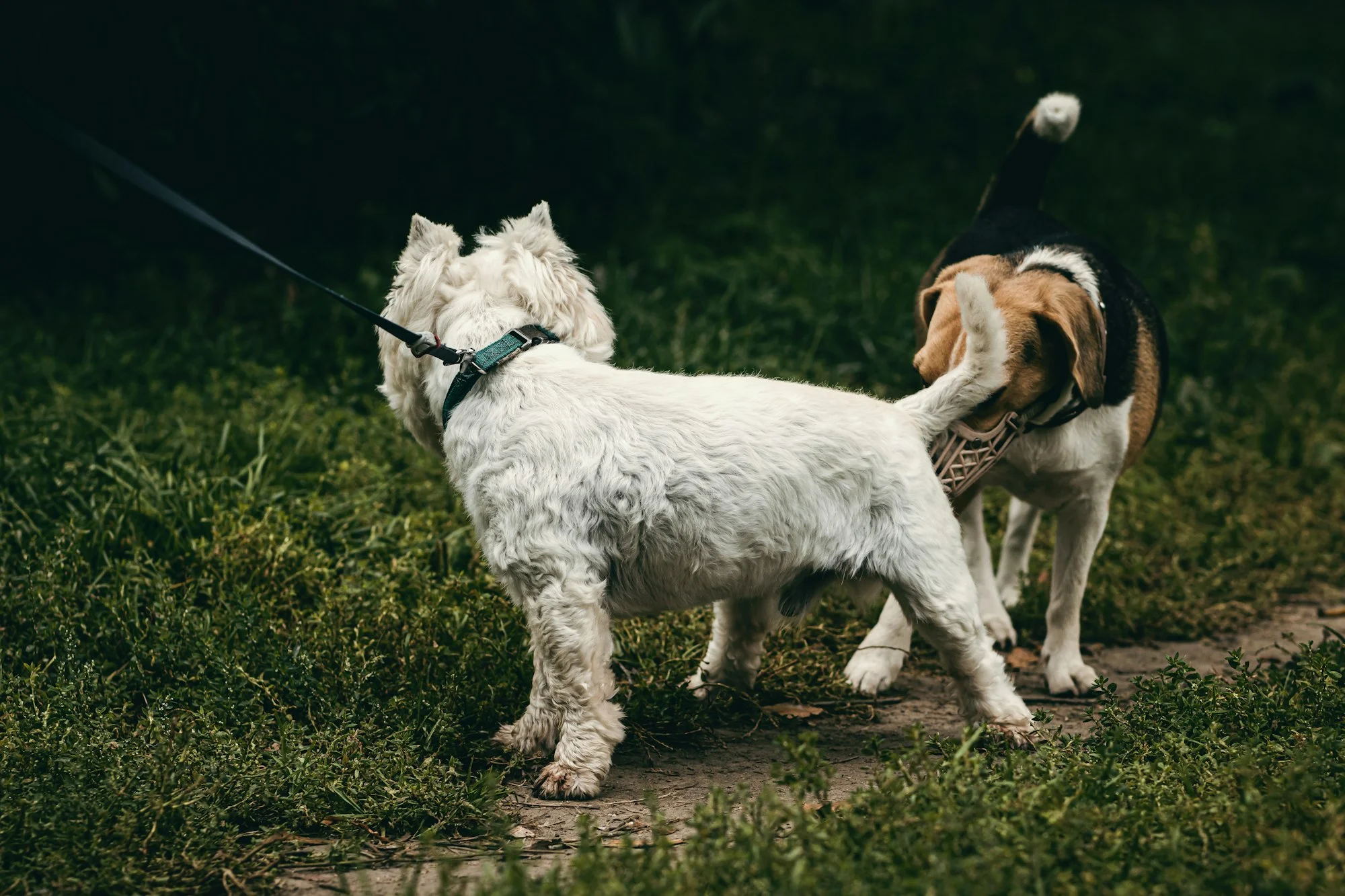

My own dog, Arthur, often displayed an embarrassing tendency to hump when he became overstimulated. Though it seemed perplexing, this action wasn’t sexual or an attempt at domination; rather, it emerged as a reaction to heightened excitement.
Humping, while often associated with sexual behavior, can stem from various emotional triggers such as playfulness, anxiety, excitement, and stress. This presents a challenge for many dog owners dealing with what can be an awkward behavior.
Content:
- Why Do Dogs Hump? The Real Reasons Behind Mounting
- Female Dogs Humping: Why It Happens & What It Means
- Male Dogs & Humping: People, Legs, Toys, and Other Dogs
- How to Manage & Redirect Humping Behavior
- Conclusion
Why Do Dogs Hump? The Real Reasons Behind Mounting
Dogs may exhibit mounting behaviors for a variety of reasons, including sexual arousal, excitement, and stress, among others. In many cases, humping becomes a learned act, encouraged by the reactions it elicits from owners or other dogs.
This behavior can also manifest as displacement. When dogs face conflicting or high-intensity emotions and aren’t sure how to respond, they might default to actions like humping. For instance, Arthur tended to mount when he was simultaneously excited and anxious.
A fellow dog owner shared a similar experience on Reddit:
“I have a nervous 10-month-old lab/shepherd/husky mix. He’s friendly with dogs, yet often focuses on one pup to try and mount. It seems to be his reason for going to the park.”
Female Dogs Humping: Why It Happens & What It Means
Female dogs are just as prone to humping as males. They might exhibit this behavior towards people, objects, and other dogs for reasons including playfulness, stress, excitement, or sexual instinct.
This behavior can occur during puppyhood. Notably, Dr. Bonnie Beaver, a veterinary behavior expert, explains that:
“Mounting and related behaviors can start as early as three to six weeks old. At that stage, they are not sexual and represent aspects of juvenile play.”
Thus, when observing a female dog humping another dog, it's essential to contextualize the behavior rather than jump to conclusions about its implications concerning dominance or arousal.
Male Dogs & Humping: People, Legs, Toys, and Other Dogs
While hormones can certainly drive mounting in male dogs, particularly ones that are intact, neutered males can also show this behavior afterward, indicating that sexual desire isn't the sole motivator.
Understanding the context of the humping can provide clarity. For instance, a dog that mounts a person upon their arrival may be expressing overwhelming excitement. In contrast, a dog mounting a toy during play is likely expressing enthusiasm rather than sexual interest.
Instead of trying to interpret humping broadly, focus on the specific scenarios in which it occurs. Observe the patterns: when does it happen? What are the triggers? Knowing these details offers deeper insights into the motivation behind humping.
How to Manage & Redirect Humping Behavior
It's essential not to punish dogs for this instinctual behavior. Instead, identify the triggers that lead to mounting and intervene before the behavior escalates.
Calmly interrupt the mounting and redirect your dog to perform an alternative action, such as sitting, going to their bed, or engaging with a toy. Reward these alternate behaviors, and create breaks from situations that tend to overwhelm them. For dogs that mount during greetings or play, teaching relaxation can channel their excitement more appropriately.
The Petcube App can help monitor your dog's behaviors and also offers 24/7 access to veterinary support for behavioral concerns.
If you notice a sudden increase in humping frequency or if it becomes compulsive, and especially if it's accompanied by behaviors like excessive licking or signs of discomfort, consulting a veterinarian is advisable.
Conclusion
While humping may be socially uncomfortable for owners, dogs themselves show no embarrassment. It's a normal behavior, arising from various emotions like excitement, stress, or arousal.
By understanding the context of humping, you can better manage and redirect this behavior, making it easier to handle as it arises in social situations.



Discussion
Sign in to join the discussion.