A recent study reveals the spectacled cobra in Sri Lanka represents a unique genetic lineage, igniting a long-standing taxonomic debate.
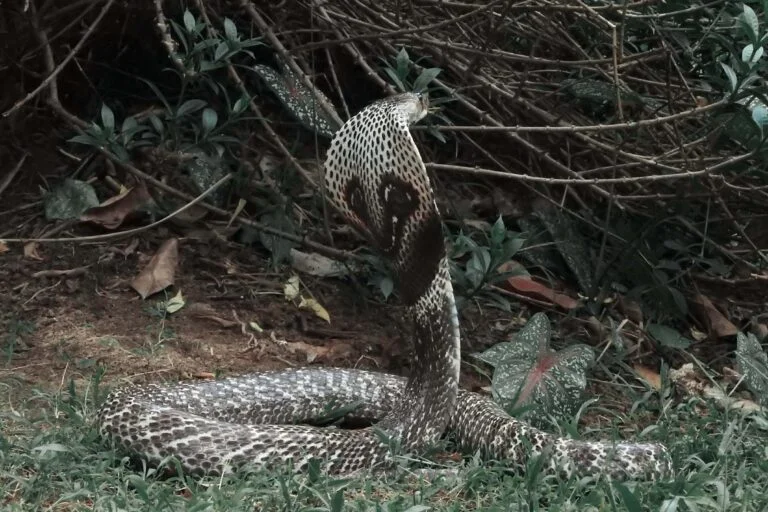
COLOMBO – The spectacled cobra (Naja naja) found in Sri Lanka has piqued scientific curiosity with its two-million-year-old genetic puzzle. A recent study confirms this population forms a distinct genetic lineage, reigniting a taxonomic discussion initiated by zoologist P. E. P. Deraniyagala nearly ninety years ago. This research traces the origins of the spectacled cobras to an African ancestor that made its way to the region through the Middle East.
Historical Context of the Spectacled Cobra
The story begins in 1939 when Deraniyagala identified a unique variant of the spectacled cobra, distinguishing it by additional eye-like markings on its hood and naming it Naia naia colour var. polyocellata. Initially classified simply as a color morph of the Indian spectacled cobra, it was later reconsidered in 1945 when Deraniyagala suggested various geographical races of the species throughout the Indian subcontinent. The distinction he attempted to make was significant; it highlighted the nuances in fauna that can often go overlooked in broader biological classifications.
Despite these assertions, morphological studies ultimately joined these geographic variants under the single category of Naja naja. This decision underscored a common issue within taxonomy, which often prioritizes more generalized classifications over recognizing potential sub-species or variants. What this means for conservation efforts and ecological studies is profound; species that seem morphologically similar may exhibit hidden genetic diversity that reflects varied evolutionary pressures or environmental adaptations.
Recent Developments in Genetic Research
Fast forward to 2022, the concept of polyocellata received fresh attention with a genetic study proposing its resurrection as a separate species, Naja polyocellata, backed by significant genetic differences noted between Sri Lankan and Indian mainland cobras. This is significant because it challenges established beliefs and encourages scientists to reconsider biological classifications that might have held for decades. It provides a new avenue for research into biodiversity and conservation that could affect how scientists understand the evolution of this species and its ecological role.
Research like this is vital in an era where environmental changes impact species globally. By understanding the genetic makeup of the spectacled cobra of Sri Lanka, researchers can glean insights into how the species adapted—or failed to adapt—to changes in their environment over millions of years. If you're working in this space, you'll have to keep an eye on the academic debate that often accompanies such findings. The push for taxonomic revision isn't just an academic concern; it can influence conservation policies and resource allocation significantly.
The Debate Among Herpetologists
However, this new proposal faces challenges, as herpetologists like Wolfgang Wüster from Bangor University, among others, continue to scrutinize the classification. Their skepticism isn't just cautious; it reflects deeper issues in herpetology where interpretations of genetic data can vary greatly. Classifying a subspecies—or a new species altogether—requires more than just genetic differences; it necessitates a comprehensive understanding of ecological behavior and geographical distribution. As it stands, the outcome of this debate could reshape academic understanding and conservation strategies regarding not just Naja naja but possibly other snake species in the region.
Genetic Mutations Add Intrigue
An added note: there are sightings of albino cobras in specific regions, resulting from a genetic mutation that inhibits dark pigmentation, amplifying the allure of this serpent. This phenomenon ties back into the ongoing discussions about species classification and genetic diversity. The presence of albino cobras is indicative of hidden layers of genetic information within the population, suggesting that there may be far more variations to explore.
There’s a fascinating aspect to the recognition of such mutations—albinos often face greater mortality in the wild due to visibility to predators and hunting pressures, yet they captivate human interest, leading to a paradox where their rarity can increase demand for them in captivity, potentially elevating the risk to their wild populations.
Implications and Future Perspectives
The implications of these findings extend well beyond academia. They serve as a reminder that biodiversity is often more complex than it appears on the surface. As the scientific community debates the status of Naja polyocellata, a parallel discussion about conservation strategies is inevitable. The recognition of distinct genetic lineages could lead to more tailored conservation efforts that reflect the specific needs of different populations.
With climate change and habitat destruction looming large, understanding the biodiversity in regions like Sri Lanka is more critical than ever. There’s a real risk that without careful consideration of these genetic distinctions, vital species and their ecosystems could be overlooked in favor of broad-brush approaches to conservation.
Here’s the thing: the findings here could redefine how herpetologists and conservationists work to protect these species. If the distinctions between the Sri Lankan and Indian cobras are formally recognized, future efforts might entail more focused research and resource allocation, ensuring that the unique aspects of each lineage are preserved. Keeping track of these discussions within the scientific community will be crucial for anyone interested in environmental science or conservation.



Discussion
Sign in to join the discussion.