A recent study warns that climate change may increase the risks of toxic mining waste contaminating coastal waters, impacting marine ecosystems globally.
Growing Metal Demand and Environmental Concerns
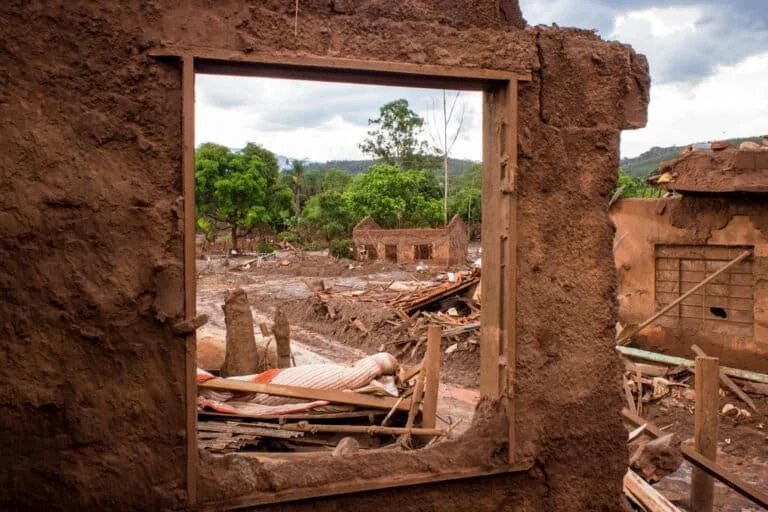
As global demand for metals surges—propelled by population growth and technological advancements—the mining sector faces significant environmental challenges. Over the past 50 years, the extraction of metal ores like iron and copper has seen a fourfold increase, and the trillion-dollar industry remains on a growth trajectory. However, this escalating demand poses serious risks, particularly regarding the management of toxic mining waste, known as tailings, which can seep into local ecosystems.
The connection between rising metal demand and environmental degradation can't be overstated. Urbanization and the tech boom have created insatiable appetites for materials, not just for traditional industries but also for emerging technologies like electric vehicles and renewable energy systems. This push intensifies the competition for resources, often overshadowing the ecological consequences. Tailings from mining operations—composed of crushed minerals and waste—are rarely contained effectively, leading to contamination of water systems that support both local wildlife and human populations. The long-term implications of this negligence can result in biodiversity loss and irreversible damage to natural habitats.
From a regulatory standpoint, authorities face mounting pressure to balance economic growth with environmental protection. Some countries have implemented stricter regulations, but enforcement remains inconsistent. As mining companies often operate in regions with less oversight, the repercussions of their activities can have broader environmental impacts. This is a dilemma that demands urgent attention, as current practices won't sustain both the industry and the planet for much longer.
Impact of Climate Change on Mining Pollution
A study recently published in Earth-Science Reviews highlights how climate change could heighten the threat of mining pollution affecting marine environments. Researchers analyzed how factors such as rising sea levels, temperature increases, and shifting weather patterns might lead to further contamination from mining operations over the coming century. They pinpointed six regions that face the greatest threats: North America, South America, Northern Europe, the Mediterranean, East Asia, and Australia.
Climate change acts as a multifaceted accelerator of existing pollution issues. Rising sea levels can exacerbate the spread of contaminants from mining sites, turning previously manageable waste into widespread toxic threats. Increased rainfall and more intense weather events can breach containment systems, releasing heavy metals and other pollutants into marine ecosystems. The findings signal a dire need for an overhaul in how mining operations are managed as these climate-related factors compound the existing risks. Monitoring these environmental changes should be central to corporate responsibility and regulatory approaches in the mining sector.
Here's the thing: while the conversation around climate change often centers on carbon footprints, it’s equally critical to address the ripple effects that mining has on our oceans. The health of marine environments isn’t just an ecological issue; it has significant social and economic implications, particularly for communities that rely on these ecosystems for their livelihood. It’s a complex web of challenges that the industry will need to untangle if they want to mitigate risks to both people and wildlife.
Identifying High-Risk Areas
According to Adam Sproson, the study's lead author and a research scientist at the National Oceanography Centre in the U.K., the identified hotspots represent a substantial portion of global coastline. “We isolate six hotspots, but that makes up a large part of the world,” Sproson remarked, emphasizing the extensive areas at risk. The findings stress the urgent need for continuous monitoring and effective remediation strategies to mitigate pollution risks in these vulnerable coastal regions.
The identification of these hotspots is an important step, but it isn't the final solution. Simply knowing where the risks are concentrated does little without actionable plans to address them. Continuous monitoring could empower governments and organizations to respond more effectively to emerging threats. Tradewinds, for example, is already pioneering approaches to more sustainable mining practices, but they are the exception rather than the rule. If effective monitoring systems can be implemented, it could pave the way for preemptive action rather than reactive measures, which often come too late.
What this means for you, especially if you're working in this space, is that being aware of these high-risk areas is vital. You may want to consider not just compliance with regulations but public sentiment and the reputational risks that poorly managed operations can incur. This is not just a regulatory issue; it’s one of corporate responsibility that impacts stakeholder trust.
(and this is the part most people overlook) When stakeholders—including consumers—heighten their scrutiny on environmental practices, mining companies could face backlash if they don’t adapt. There's an urgent need for a cultural shift within organizations that tune into not just the economic dimension, but the holistic impact of their operations on both the environment and society.
Implications and Future Outlook
As we look to the future, the mining sector is staring down a dual challenge. It's not only about meeting the increasing demand for metals today; it's also about doing so sustainably. Increasingly, investors and consumers alike are demanding higher standards for environmental stewardship. Companies that fail to adapt could find themselves facing backlash, regulatory hurdles, or, worse, loss of social license to operate.
Successful mining operations in the coming decades will likely require an infusion of innovative technologies to deal with waste expertly and sustainably. This could mean investing in better tailings management solutions, advanced filtration systems, or biodegradable additives that can neutralize toxins. The industry will need to transform its image and practices to align with broader societal goals around sustainability.
As climate change complicates the landscape, recycling metals will also likely gain more prominence. By minimizing the reliance on new metal extraction, companies can mitigate some environmental risks associated with mining. In this evolving scenario, adaptability and forward-thinking will be what separates successful companies from those that go the way of the dinosaur.



Discussion
Sign in to join the discussion.