COP17 defined how the CBD’s Indigenous peoples body will operate, while representation across regions remained a central point of debate.
A new role for Indigenous and local communities
The Convention on Biological Diversity’s new subsidiary body for Indigenous peoples and local communities moved into full operation at COP17 in Armenia in 2026. That step gives the group a formal place in the convention’s work: it can advise governments, help draft decisions and carry out tasks assigned to it, including developing guidance on conservation goals. Formal status matters because participation in international negotiations can otherwise depend on informal access or the willingness of governments to consult. A standing body gives that participation a defined channel, though the channel’s existence alone doesn’t determine how much influence it will carry.
The new arrangement sits within a wider question facing biodiversity policy: how to include the people whose knowledge, rights and decisions are relevant to conservation. Indigenous peoples and local communities aren’t a single constituency with identical priorities, and an advisory body must decide how to represent that variety while working within a process organized around governments. That tension isn’t unique to this convention. Similar international bodies often have to balance clear procedures with meaningful representation, because rules that make participation manageable can also narrow who gets heard.
From creation to operating rules
Delegates created the Subsidiary Body on Article 8(j), known as SB8J, at the 2024 biodiversity summit in Colombia. Creation established the body’s place in the convention, but left practical questions open: how its responsibilities would work, how it would be governed, what budget it would have and how often it would meet. Those details determine whether a body can do sustained work or is left with a mandate that looks substantial on paper but is difficult to carry out. At COP17, delegates settled the operational arrangements needed to begin its formal work.
That progress is meaningful, but it shouldn’t be confused with proof that the body will shape outcomes. A schedule can create regular opportunities to meet; it can’t by itself ensure that advice reaches governments in time to affect decisions. A budget can support assigned work, but the source doesn’t specify its size or what resources will be available. The difference between having a place in the process and influencing its direction will depend on how governments use the body’s advice and how consistently its members can contribute.
Representation remained contested
The harder debate concerned who would speak for Indigenous peoples and how SB8J’s co-chairs and Bureau advisers should be selected. Delegates considered two different ways to organize representation: the five U.N. regional groups, which are structured around countries, and seven sociocultural regions intended to reflect Indigenous diversity. The choice affects more than the labels attached to seats. It shapes which communities have a route into discussions and how the body recognizes differences among Indigenous peoples.
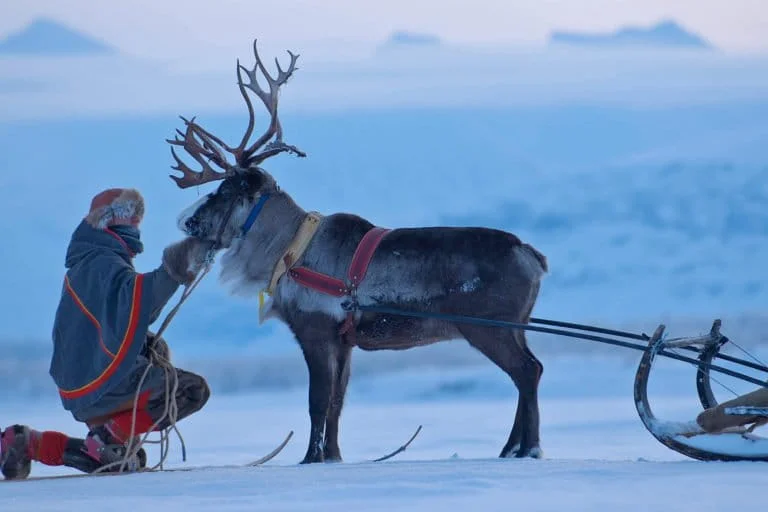
The issue is particularly visible in the source’s examples of Sámi and Inuit communities. A country-based regional structure and a sociocultural structure don’t necessarily map the same way onto the communities whose perspectives the body is meant to include. That makes representation a practical question about access as well as a question of principle. (And this is the part most people overlook.) Rules for selecting co-chairs and advisers can shape whose experience is present when the group sets its priorities and prepares advice, even if those rules don’t settle the substance of any conservation decision.
There’s no simple formula that can represent every community equally in every discussion. A structure has to be workable, but workability can’t be the only test. If the people the body is meant to include see its selection process as distant from their own communities, formal participation may carry less weight than the institution’s title suggests. The source describes the debate and its stakes, but doesn’t provide enough detail to assess how each selection rule will work in practice.
What the decision means for conservation work
Jennifer Corpuz, a negotiator for the International Indigenous Forum on Biodiversity, welcomed the decision during the closing session. “We celebrate this historic adoption,” she said, adding that it strengthens SB8J’s inclusivity and supports rights-based implementation of the Convention. Her assessment reflects the significance of securing an agreed structure after debate over both practical arrangements and representation. It also points to the measure by which the new body’s advocates are likely to judge it: whether participation helps put rights into effect as conservation decisions are made.
This is more significant than it looks, but the significance is institutional rather than a guarantee of immediate change. SB8J now has an agreed operating basis and a formal role in advising governments, drafting decisions and completing assigned work. What the source doesn’t establish is whether its guidance will be adopted, how much weight governments will give it or what specific conservation goals will result. The distinction matters: a decision can strengthen the process without resolving the debates that process is meant to address.
If you’re working in this space, the next question is how the structure performs when it has to turn representation into regular input. Members will need opportunities to contribute, and governments will need to engage with the body’s work for its advice to matter. The article doesn’t describe the body’s first assignments or its future meeting schedule, so those outcomes remain open. For now, the agreement marks a transition from establishing SB8J to seeing whether its design can support a consistent role in shaping conservation decisions.
A formal voice, with influence still to be demonstrated.
This article was originally published on Mongabay



Discussion
Sign in to join the discussion.