The growth of the exotic pet trade in India significantly increases the risk of zoonotic disease transmission between animals and humans.
Escalating Health Risks from Exotic Pets
The rise in exotic pet trading in India poses significant risks for zoonotic disease transmission—not just to pets but also to their human caretakers. As the demand for exotic animals increases, interactions with imported wildlife create a multitude of pathways for harmful pathogens to spread. These interactions aren’t just limited to pet owners; they extend to veterinarians and animal handlers who may inadvertently expose themselves to serious health risks. Arathi Menon of Mongabay India emphasizes these very concerns in her analysis, explicitly highlighting how such trade can lead to increased instances of disease spillover.
First-Hand Experiences
Dr. Rina Dev, a veterinarian specializing in avian and exotic animals in Mumbai, illustrates these dangers with a haunting personal experience. After treating a number of imported and seized wildlife, she found herself hospitalized, suffering from a lung infection that has raised alarms about potential links to the parrots she was caring for. “I hope it’s not something from the parrots I was treating,” she expressed following her release. It’s a stark reminder that the risks associated with exotic pets are not just theoretical; they strike at the very heart of the healthcare providers tasked with their care. Instances like Dr. Dev's highlight a growing urgency for more stringent regulations in the exotic pet industry.
Diverse Pathogen Presence
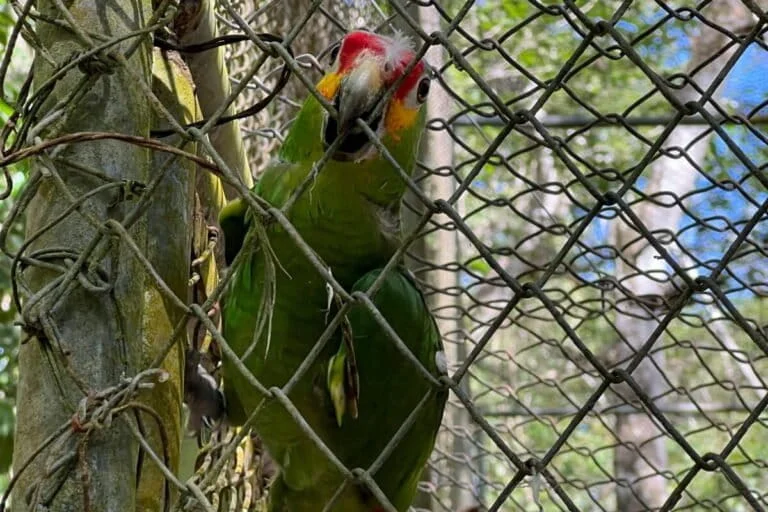
The potential threat posed by imported animals is grave. These animals often harbor a range of infectious diseases, with psittacosis being a prominent example. Commonly known as "bird handler's disease," this respiratory illness predominantly impacts those who frequently interact with birds. According to Dr. Dev, a worrying trend is emerging: diseases like salmonellosis from reptiles and increasing cases of tuberculosis among primates are on the rise, further intensifying the zoonotic risks associated with exotic pets. This isn’t merely a local issue; it’s part of a broader global problem that threatens public health systems already stretched thin.
Relatedness and Disease Transfer
Uttara Mendiratta, a conservation researcher, underscores the enhanced risk of disease transfer between humans and primates, owing to our genetic similarities. The relationship between our species is not merely one of fascination; it has historically led to significant health crises. Notably, pathogens responsible for diseases like Ebola and HIV have made the jump from nonhuman primates to humans, further stressing the urgent need for vigilance. As scientists continue to learn about the complexities of zoonotic diseases, it becomes clear that our close genetic relationship with primates is a double-edged sword; it fosters empathy and fascination yet also exposes us to peril.
Shared Health Risks
A global study highlights a disturbing trend: mammals involved in the exotic pet trade are 1.5 times more likely to share pathogens with humans compared to non-traded mammals. This statistic sheds light on a critical issue; every decade of trading leads to an average of one additional pathogen being shared with humans. With these numbers on the rise, what this means for public health cannot be overstated. The increasing prevalence of exotic pets should prompt a reevaluation of current animal trade laws and public health initiatives alike.
Implications and Future Outlook
The implications of these findings are immense. If you're working in this space—whether as a veterinarian, a conservationist, or a public health specialist—this information should concern you. The intersection of animal welfare and public health has never been more pronounced. Increasingly, policymakers are being called upon to implement more comprehensive legislation governing the exotic pet trade, not only to protect these animals but also to shield public health from avoidable risks. Given the accelerating rates of wildlife trade and habitat destruction, it’s clear that both local and global communities will need to adopt proactive strategies to avert potential pandemics.
This issue isn't as simple as enforcing restrictions or banning specific trades; it encompasses a complex web of economic interests, cultural practices, and public education on health risks. As more evidence surfaces regarding the dangers associated with exotic pets, you can expect to see a push for increased awareness campaigns aimed at animal owners and prospective buyers alike. If we ignore these warnings, the consequences could be dire, both for us and the ecosystems that are increasingly strained.
For more detailed insights, refer to the original report published by Mongabay.



Discussion
Sign in to join the discussion.