Cheetah Cubs Thrive at Prague Zoo Despite Adverse Conditions
Published Sep 25, 2026Reads 729By Mongabay Editor
Five cheetah cubs at Prague Zoo have overcome significant challenges, including severe weather and maternal health issues, and are now thriving.
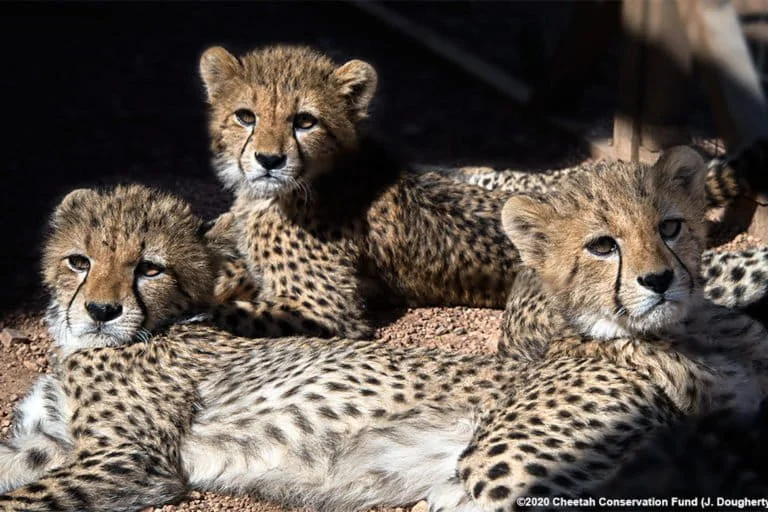
PRAGUE (AP) — Five cheetah cubs born at the Prague Zoo are thriving, despite facing daunting challenges shortly after their birth on June 18, according to recent updates from the zoo. The quintuplets, consisting of four males and one female, encountered fierce storms just after their mother, Daenerys, chose to give birth in an outdoor enclosure.
A Glimpse into the Birth Story
The birth of these five cheetah cubs is more than a typical zoo birth announcement. It’s a combination of instincts, environmental challenges, and a glimpse into the realities of wildlife conservation. Daenerys, the first-time mother, made the rather unusual decision to give birth outdoors, which, while natural in the animal kingdom, faced primal challenges with the unpredictable nature of the weather. As curious as it seems, this decision could be attributed to natural instincts calling upon her instinct to find a hidden den.
Such births resonate deeply within the broader context of wildlife conservation. Cheetahs, often celebrated for their grace and speed, are emblematic of various conservation efforts. But it’s essential to understand that every birth is a battle for survival—not just for the cubs but also for the species itself.
Maternal Instincts Under Pressure
Remarkably, Daenerys displayed commendable maternal instincts, providing excellent care for her first litter under severe weather conditions. Curator Pavel Brandl highlighted her efforts in protecting the cubs; she carefully licked water off their fur to keep them dry during torrential rains. This level of care demonstrates not only the strong maternal bonds but also a fascinating aspect of animal behavior that should intrigue any observer of wildlife.
Motherhood in the wild, particularly among predator species, often involves tough choices and adaptations. In this case, every action Daenerys took was crucial for the survival of her young. It's not just a matter of keeping them warm; it's about teaching them essential survival skills and ensuring that they bond well, which sets up the foundation for their future in the wild or in captivity. After all, young cubs learn from their mothers. They soak in behaviors from hunting techniques to warning signals as they grow.
Challenges Beyond Birth
In the wild, cheetah cubs face a high mortality rate due to threats from predators and susceptibility to diseases like pneumonia. Compounding these challenges, Daenerys also battled an intestinal infection in August. Yet, against the odds, the cubs were reported to be lively and healthy.
That’s where the duality of their reality begins to unfold. Survival in captivity is not devoid of struggles either. The fact that Daenerys had to contend with a health issue adds an additional layer of complexity to the nurturing environment in which these cubs are being raised. Zoos, like Prague's, often function as sanctuaries for endangered species, yet they mimic the conditions of the wild to a degree. While cubs may be safe from predators, they remain vulnerable to illness and other unforeseen incidents.
Expecting healthy cubs isn't a guarantee. In zoos around the world, animal care teams are continually navigating the fine line between providing natural environments and ensuring the health and safety of their inhabitants. And while reports show the cubs are thriving, as Brandl cautioned, the real battle for life and health persists.
Significance of this Birth for Conservation Efforts
Gyhalenging times notwithstanding, each cub is essential for the survival of their threatened species—an alarming statistic shows fewer than 7,000 cheetahs remain in the wild. Known as the fastest land animals, cheetahs can reach speeds of about 70 to 75 mph (112 to 120 kph), but their sustainability in the wild remains at risk.
Cheetahs are not just another species; they represent a larger ecological balance. Their dwindling population has raised red flags among conservationists who argue that unchecked habitat loss, poaching, and human-wildlife conflict could push these magnificent creatures to the brink. By showcasing such births, zoos can spark awareness, draw attention to conservation issues, and potentially encourage more support for the initiatives aimed at preserving wild habitats.
Here’s the thing: every successful birth, like these cubs, carries the potential for making an impact beyond the walls of the zoo. Each cub could contribute to a breeding program that helps restore genetic diversity and ultimately bolster the overall population in the wild. This is more significant than it looks at first glance.
The Future for These Cubs and Their Species
What this means for you, the casual observer or the seasoned conservationist, is a chance to reflect on the broader implications of animal births in captivity. As Brandl indicated, it could take a year to determine if they’ve made it past the critical early phase of development. Following their progress will require vigilance.
If you're working in this space, any indication of ongoing success could mean a shift in strategies adopted by zoos nationwide. The balance between captive breeding and reintroduction efforts remains a topic of critical discussion. We may very well see more focus on how these cubs can eventually play a role in rewilding efforts, which brings hope not only to the species but also to the ecosystems they inhabit.
In short, this situation goes well beyond a handful of cute cubs. It's about survival—of a species teetering on the edge, and the concerted efforts of those who refuse to give up on it. And that's a narrative worth watching closely as these young cubs grow.
Discussion
Sign in to join the discussion.