Efforts to clone the wild loquat tree aim to support local economies and preserve biodiversity in Southern Africa amidst rampant deforestation.
Fruit Sellers Face Economic Threats
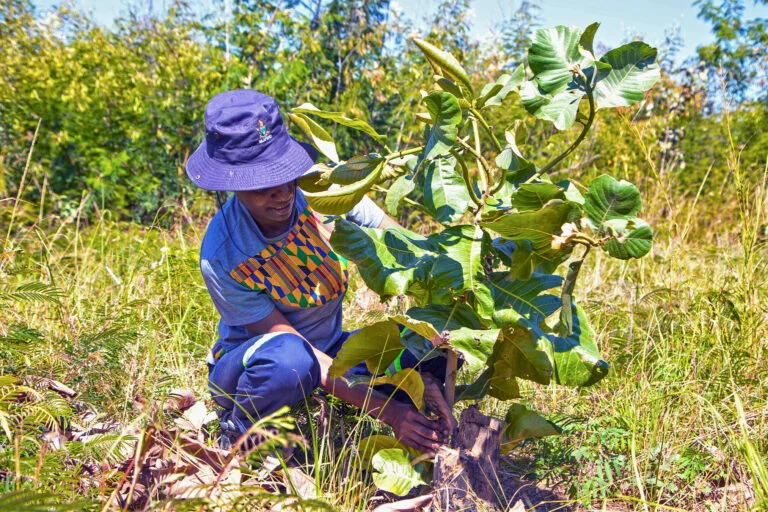
Plant geneticist Alice Muchugi recently encountered a group of distressed fruit vendors near Harare, Zimbabwe, who were agitated by the loss of their primary resource. Armed loggers had cut down several prolific wild fruit trees, endangering the livelihoods of women who relied on selling the trees’ sweet, yellow berries. These berries, characteristic of the wild loquat (Uapaca kirkiana), are highly sought after across Southern and East Africa. The felled trees were a critical source of income for these vendors, who now face economic instability.
The Impact of Deforestation on Local Economies
This isn't just an isolated incident; it reflects a broader trend of environmental degradation that often disproportionately affects marginalized groups. In many rural areas like Harare, local economies hinge on natural resources. When those resources—like the wild loquat trees—are depleted, it’s not just a loss of biodiversity; it’s an economic catastrophe. The women who depend on these trees for income are now caught in a precarious situation, forced to grapple with both the immediate financial impact and the longer-term consequences of environmental mismanagement.
The Role of Genetic Diversity in Conservation
Muchugi, who leads tree diversity and productivity initiatives at the Landscape Alliance, understood the implications of this loss. These loquat trees had been cloned two decades ago from high-quality specimens across 25 locations in four countries, safeguarded in a field gene bank located in Domboshava, approximately 19 miles from Harare. This gene bank serves as a repository for genetically superior trees, ensuring their survival and continuous fruit production.
Gene banks play a crucial role in conservation by maintaining genetic diversity, which is vital for any species' adaptability to changing environmental conditions. In the case of the loquat, the stored genetic material could hold the key to regenerating the population if a significant number of trees are lost. However, access to such resources often depends on local policies that prioritize conservation over short-term economic gains. This conflict is a microcosm of a larger environmental battle: how to balance human needs with nature's capacity to sustain itself.
Harvesting and Future Efforts
Thankful for the permissions granted by the gene bank, the women had been allowed to harvest and sell the fruit—until the logging threats arose. This incident underscores the pressing issues that both local fruit collectors and plant geneticists face in preserving vital species. Muchugi's work centers on the tension between environmental protection and economic pressures, highlighting the urgent need for sustainable solutions amidst deforestation.
If you're working in this space, you'll recognize that challenges like these reveal a fundamental truth: local economies often mirror the health of their ecosystems. When logging occurs, it’s not just trees that fall; entire communities can crumble as their economic fabric decays. The balance is delicate, and for many women vendors, their hope for recovery hangs not just on the return of the loquat trees, but on broader systemic changes that protect both their livelihoods and the environment.
The Broader Implications of Environmental Loss
This situation speaks volumes about the intricate relationships between people and the natural world. The logging of wild fruit trees for timber or agricultural land doesn't merely snatch away economic resources; it erases cultural ties to the land. Wild loquats aren’t just commodities; they symbolize a long-standing relationship that the community has with its environment. (And this is the part most people overlook.) The unique flavors and cultural practices tied to these fruits foster community identity, adding spiritual and social dimensions to their economic value.
While the gene bank provides a lifeline for future regeneration, the pressing question is how effectively that can be translated into real-world applications. Muchugi and others in her field are not just scientists but also mediators negotiating between various interests—conservationists advocating for preservation and local communities fighting for their economic survival. This dual role can lead to solutions that are both ecologically sound and economically viable, yet success is often contingent on political will and community involvement.
Looking Ahead
As pressures on natural resources continue to mount, the case of the loquat trees in Zimbabwe may serve as a crucial touchpoint for strategies addressing deforestation. Stakeholders must consider sustainable harvesting practices, legal protections for vital ecosystems, and equitable economic opportunities for local vendors. The involvement of local communities is imperative; they must be seen not as mere beneficiaries of conservation efforts but as active partners in protecting their resources.
For those invested in environmental science and local economies, the dynamics surrounding the wild loquat reflect broader questions of equity, sustainability, and responsibility. The tension between immediate economic needs and long-term environmental health showcases the complexity involved in creating effective conservation strategies. Ultimately, the resilience of both the loquat tree and the women who depend on it may depend on a collective commitment to finding a path that respects both people and nature.


Discussion
Sign in to join the discussion.