Dogs' tendency to roll in feces or dead animals can reveal fascinating insights about their scent communication and behavior.
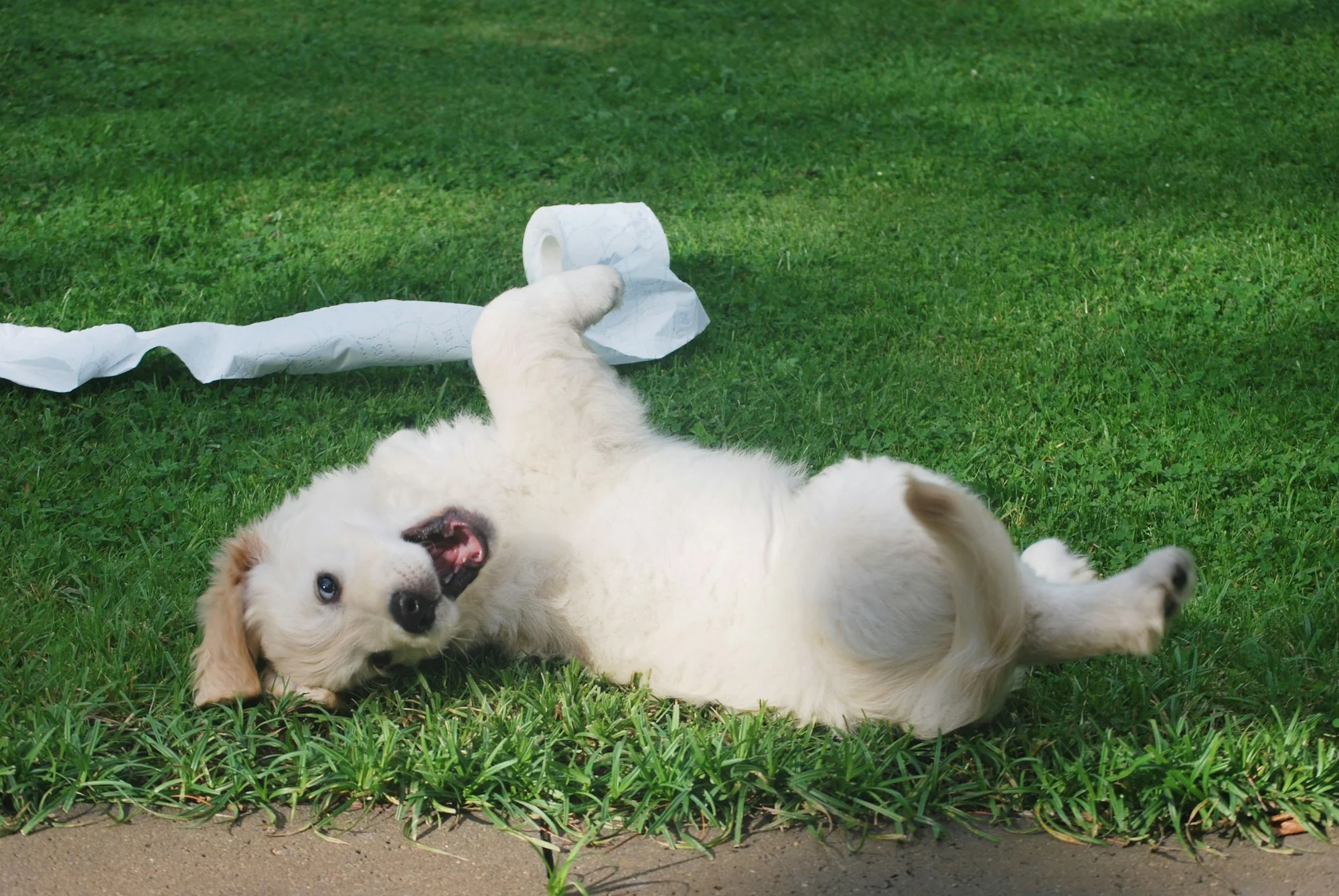
Dog owners often find themselves baffled by their pets' habit of rolling in poop or dead animals. While this behavior can seem perplexing, there's much more to it than mere disgust. Scientifically, it connects to dogs' unique olfactory needs, instinctual behaviors, and possible communication methods. Let’s unpack this quirky canine quirk.
Instinctual Behavior and Olfactory Perception
Understanding why dogs roll in poop begins with their extraordinary sense of smell. Dogs depend heavily on scent to gather information about their environment. Research shows that their olfactory abilities allow them to interpret a multitude of chemical signals within feces, seeing it as a valuable source of information rather than just waste. This biological context suggests that rolling in feces could be an extension of a dog's instinct to investigate scents in their surroundings.
Social Communication Through Scent
One potential reason for this behavior involves scent communication. Dogs possess glands that release distinct odors through urine, feces, and other body parts. By rolling in something smelly, they might be attempting to mask their scent or communicate something about themselves to other dogs. The exact nature and intent behind this form of communication remain somewhat of a mystery, but it underscores the complexity of canine social interactions.
Camouflaging Scent
There's also a theory that this behavior is a form of scent camouflage. Predators in the wild may aim to conceal their natural scent among stronger environmental odors to avoid detection. Thus, rolling in feces or carcasses could represent an instinctual behavior carried down from ancestral hunting practices.
Curiosity and Sensory Stimulation
For many dogs, rolling in distinctive odors is simply enjoyable. A recent study looked into captive wolves and found that they were drawn to various unfamiliar smells, including feces from different species, suggesting they see it as a form of sensory stimulation. The existence of diverse odors in the environment can captivate their attention and prompt exploratory behaviors, including rolling.
Rolling in Dead Animals: The Same but Different
The reasons behind why dogs roll in dead animals mirror those for feces. Decaying matter emits a host of volatile compounds, creating an aroma that's attractive to dogs. Their acute olfactory senses allow them to decipher these smells, which can provide insights about the biological state of the animal, its diet, and its health. This behavior is reminiscent of their wild counterparts, who may use such information while hunting.
Responses to Various Odors
In studying wolf behavior, researchers noted that different odors elicit varying reactions. Some prompted extended sniffing or rolling, while others did not register a response. Although it’s tempting to assume that rolling in carcasses hinges on tradition and evolutionary strategy, scientists continue to investigate the underlying motivations for this behavior, particularly the kind of information conveyed through scent.
Variations in Interest: Preferences for Different Fecals
It's not uncommon for dogs to have specific preferences regarding which types of feces they choose to investigate. Some dogs may show a strong interest in deer droppings while ignoring others, like those from fellow dogs. These preferences relate to the unique chemical profiles that various animals produce. Although there’s no clear consensus on why these preferences arise, dogs’ acute ability to identify subtle differences in scents plays a crucial role.
Nevertheless, pet owners should remain cautious: feces from any animal can harbor germs, parasites, or viruses. To ensure safety, it's crucial to clean up after pets promptly, limit contact with animal waste, and maintain proper hygiene.
Managing This Behavior
Addressing a dog’s instinct to roll in poop and dead animals can be challenging. Yet, there are strategies that can help manage this behavior and redirect their instincts.
Prevention Tactics
A foundational step is to modify the opportunities for rolling. When walking in parks or areas frequented by wildlife, stay alert for potential targets and keep your dog close by. The more proactive you are, the more control you have over the situation.
Training Through Cues and Rewards
Implementing commands like “leave it” can also redirect attention away from tempting scents. Start this training at home and reward your dog for compliance, gradually applying it in environments with more distractions. Positive reinforcement, as suggested by animal behaviorists, focuses on rewarding good behavior rather than punishing unwanted ones, promoting a healthier learning environment.
Allowing Safe Sniffing Opportunities
Providing acceptable sniffing experiences plays a crucial role in redirecting undesirable behaviors. Allow your dog opportunities to engage with safe scents during walks, enriching their natural exploration while ensuring they aren't drawn to less desirable options. Forums and discussions among dog owners provide insights into various methods for managing these behaviors, further underscoring that many face similar challenges.
If dogs exhibit increased rolling behavior or show signs of excessive licking, itching, or shifts in appetite, consulting a veterinarian is advisable to rule out underlying medical or behavioral issues.
Final Thoughts
While there's no single answer to explain why dogs roll in poop and dead animals, it's evident that scent offerings and instinctual behaviors play significant roles. Understanding your dog's instincts as they pertain to strong odors can facilitate better management strategies, helping pet owners to navigate this often-unpleasant behavior while keeping their dogs engaged and healthy.



Discussion
Sign in to join the discussion.